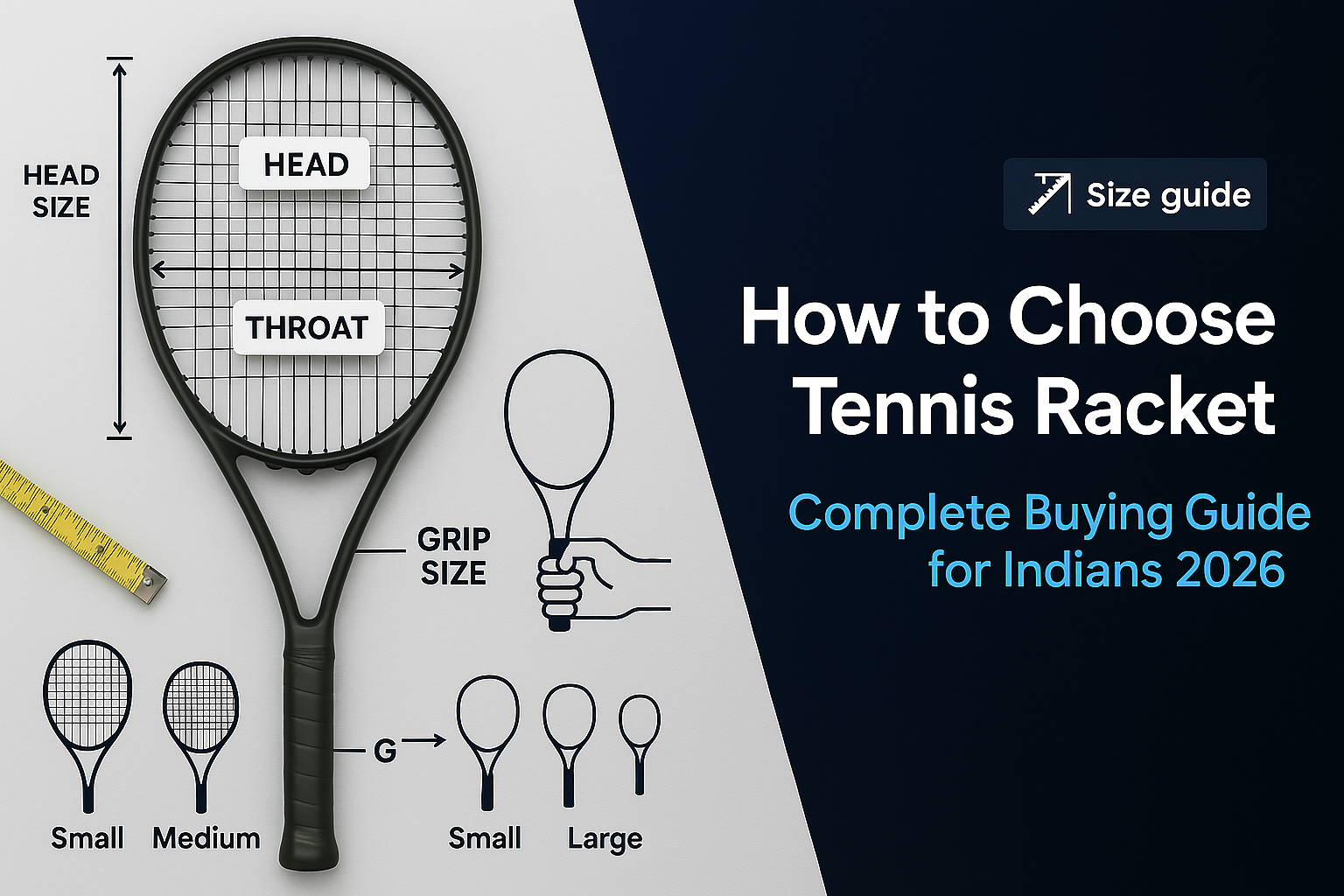
Choosing a tennis racket in India today is harder than it should be. Walk into any sports shop or browse online and you'll see dozens of options from Wilson, Babolat, HEAD, and Yonex — each claiming to be the best. The truth is, there's no single "best tennis racket in India." The right racket depends on your skill level, body type, playing style, and budget. This guide will teach you how to choose a tennis racket that actually fits you — using real specs, the latest 2026 models, and prices tuned to the Indian market.
Most players search for "how to choose a tennis racket" without knowing that six specifications — head size, weight, balance, grip size, frame material, and string pattern — decide 95% of how a racket feels. Everything else is marketing. At Sports Galaxy, we've helped thousands of players across Delhi, Mumbai, Bengaluru, Chennai, Pune, Hyderabad, Kolkata, Jaipur, and beyond find the right frame. Whether you're shopping for a tennis racket for beginners or upgrading after two years of league play, the framework below is the same.
This tennis racket buying guide covers everything from the basic anatomy to a complete tennis racket size guide — plus our top 2026 picks at every budget. By the end, you'll know exactly how to choose a tennis racket that matches your game.
📑 Table of Contents
- Tennis Racket Anatomy — Know the Parts
- Head Size — The First Decision
- Racket Weight — Light vs Heavy
- Balance Point — Where the Weight Sits
- Grip Size — Tennis Racket Size Guide
- Frame Material — Graphite vs Aluminum
- String Pattern — 16×19 vs 18×20
- Racket Selection by Skill Level
- Budget Guide for Indian Players
- Top 2026 Tennis Rackets at Sports Galaxy
- 7 Common Mistakes to Avoid
- Frequently Asked Questions
TENNIS RACKET ANATOMY — KNOW THE PARTS
Before we get into specs, a 60-second anatomy lesson will help everything else make sense. When you're learning how to choose a tennis racket, every buying decision you make connects to one of the seven main parts below. For a deeper look at the physics of a racket, the International Tennis Federation (ITF) publishes the equipment standards every racket on the market follows.
| Part | What It Is | Why It Matters |
|---|---|---|
| Head | Oval frame holding the strings | Decides sweet spot size and forgiveness |
| Throat | V-shaped opening below the head | Controls frame stability on contact |
| Shaft | Connects head to handle | Influences flex and feel |
| Handle / Grip | Where you hold the racket | Comfort, control, and correct fit |
| Butt Cap | Bottom of the handle | Marks the balance point reference |
| Bumper Guard | Plastic strip on top of the head | Protects frame from court scrapes |
| Grommets & Strings | Holes + woven string bed | Deliver power, spin, and control |
HEAD SIZE — THE FIRST DECISION
When learning how to choose a tennis racket, tennis racket head size is the very first spec to decide. It is measured in square inches (sq in) and directly controls how forgiving your racket is on off-center hits. Bigger head = bigger sweet spot = easier for beginners. Smaller head = more precise control for advanced players.
| Category | Size (sq in) | Sweet Spot | Power | Control | Best For |
|---|---|---|---|---|---|
| Midsize | 85–97 | Small | Low | High | Advanced / touring players |
| Midplus | 98–105 | Medium | Balanced | Balanced | Intermediate players |
| Oversize | 106–115 | Large | High | Medium | Beginners (most recommended) |
| Super Oversize | 116+ | Very Large | Very High | Low | Seniors, recreational play |
How to Choose Tennis Racket Head Size by Level
For beginners: If you're searching for a tennis racket for beginners, stick to 100–110 sq in. The larger hitting area helps you make clean contact while you're still learning technique, and that builds confidence faster than any other factor.
For intermediate players: 98–105 sq in is the sweet spot (pun intended). You get enough power for topspin groundstrokes but also enough control for placement shots. This is the most common range when players are learning how to choose a tennis racket for their first upgrade.
For advanced players: 95–100 sq in. At this level, your swing speed generates the power — you want the frame giving you precision instead.
RACKET WEIGHT — LIGHT vs HEAVY
Tennis racket weight is the single biggest factor in how the racket feels during play, and it's the second spec to lock down when you're figuring out how to choose a tennis racket. Specs are usually listed unstrung (without strings). Add roughly 15g for the weight with strings installed. A lightweight tennis racket (under 280g) is easier to swing; a heavier frame gives more stability.
| Category | Unstrung Weight | Strung Weight | Character |
|---|---|---|---|
| Ultra-Light | Below 255g | Below 270g | Super easy swing, lower plow-through |
| Light | 255–275g | 270–290g | Best for beginners and juniors |
| Medium | 275–295g | 290–310g | All-round balanced performance |
| Heavy | 295–315g | 310–330g | Maximum power & stability |
| Very Heavy | 315g+ | 330g+ | Advanced / competitive level only |
Weight Recommendations by Player Type
Use the table below to match body type and skill level when you're working out how to choose a tennis racket by weight:
| Player Type | Recommended Weight | Reason |
|---|---|---|
| Complete beginner | 255–275g | Easy to swing, builds correct form |
| Women players | 255–285g | Comfortable swing without loss of control |
| Senior players (50+) | 250–270g | Easier on shoulders during long sessions |
| Junior players (9–14 yrs) | 200–250g | Age-appropriate frames (look at Babolat Pure Aero Junior 25 range) |
| Intermediate | 275–295g | Balanced feel for match play |
| Advanced | 295–315g | Maximum stability and control |
BALANCE POINT — WHERE THE WEIGHT SITS
Two rackets can weigh exactly the same but feel completely different in your hand — that's balance. When you're working out how to choose a tennis racket that suits your style, balance measures how weight is distributed along the racket's length, from butt cap to the tip of the head.
| Balance Type | Balance Point | Feel in Hand | Power | Control |
|---|---|---|---|---|
| Head Heavy | Above 330mm | Solid at contact | High | Lower |
| Even Balance | 320–330mm | Neutral | Medium | Medium |
| Head Light | Below 320mm | Quick & maneuverable | Lower | High |
Which Balance Suits Your Game?
Balance is the third big factor when learning how to choose a tennis racket that matches your playing style. Head heavy rackets swing with extra momentum, which generates power without extra effort — ideal for baseline players and beginners who still need help creating pace.
Even balance is the safest choice for all-court players. Rackets like the Babolat Pure Drive and HEAD Radical sit here, and they work whether you're rallying from the baseline or coming to the net.
Head light rackets feel quick in your hand — great for players who love serve-and-volley or come to the net on short balls. Most advanced-player frames (Wilson Pro Staff, Babolat Pure Strike 98) are head light.
GRIP SIZE — TENNIS RACKET SIZE GUIDE
This is the most commonly overlooked spec — and the one that causes the most discomfort when wrong. When figuring out how to choose a tennis racket, grip size often gets ignored even though it decides how naturally you hold the frame. A proper tennis racket grip size lets you hold the racket naturally; the wrong one forces you to squeeze harder, which affects your swing mechanics. Use the tennis racket size guide below to nail your grip on the first try.
Tennis Racket Size Guide — Complete Grip Chart
| Grip Size | US Size | European Size | Circumference |
|---|---|---|---|
| G0 | 4 inches | 0 | 100mm |
| G1 | 4 1/8″ | 1 | 103mm |
| G2 | 4 1/4″ | 2 | 106mm |
| G3 | 4 3/8″ | 3 | 109mm |
| G4 | 4 1/2″ | 4 | 112mm |
| G5 | 4 5/8″ | 5 | 118mm |
How to Measure Your Tennis Racket Grip Size at Home
Method 1 — The Ruler Test
Open your dominant hand (hitting hand) with fingers extended together. Measure from the middle crease of your palm to the tip of your ring finger. That measurement in inches is your grip size.
Method 2 — The Finger Test
Hold the racket in an Eastern forehand grip. Slide the index finger of your other hand between your fingertips and the base of your thumb. It should fit snugly — not tight, not loose. If there's no room, the grip is too small. If there's space to spare, it's too big.
Average Tennis Racket Grip Size for Indian Players
| Player Type | Typical Grip Size |
|---|---|
| Indian adult men (average hand) | G2 (4 1/4″) or G3 (4 3/8″) |
| Indian adult women (average hand) | G1 (4 1/8″) or G2 (4 1/4″) |
| Junior boys (12–16 yrs) | G1 – G2 |
| Junior girls (12–16 yrs) | G0 – G1 |
FRAME MATERIAL — GRAPHITE vs ALUMINUM
Frame material sets the price floor for any racket and is the next spec to evaluate when deciding how to choose a tennis racket. Aluminum is cheapest and heaviest, a graphite tennis racket is lighter and more responsive, and carbon fibre composites sit at the top of the range.
| Material | Weight | Power | Durability | Typical Price Range | Best For |
|---|---|---|---|---|---|
| Aluminum | Heavy | Medium | Very High | Entry-level | Complete beginners / recreational |
| Titanium + Graphite composite | Medium | High | High | Mid-range | Beginners with 3+ months experience |
| Full Graphite | Light | High | High | Mid to upper range | Intermediate players |
| Graphene / Carbon Fiber | Very Light | Very High | Medium | Upper range | Advanced / tournament players |
STRING PATTERN — 16×19 vs 18×20
The string pattern is written as two numbers — main strings × cross strings. It's the final spec on the how to choose a tennis racket checklist, and it controls how much the ball bites into the string bed on contact, which affects both spin and string life.
| Pattern | Type | Power | Spin | Control | String Life |
|---|---|---|---|---|---|
| 16×19 | Open | High | High | Medium | Shorter |
| 16×18 | Very Open | High | Very High | Lower | Shortest |
| 18×20 | Dense | Medium | Medium | High | Longer |
Which String Pattern Should You Pick?
Open patterns (16×19) let the strings move more at contact, which creates a trampoline effect for power and lets you brush up on the ball for topspin. This is the default for most modern rackets, including the Babolat Pure Aero and Yonex VCORE lines — and the safest bet when you're still learning how to choose a tennis racket.
Dense patterns (18×20) keep the strings locked in place, giving flatter, more predictable shots and a longer-lasting string bed. The Wilson Pro Staff and older Head Prestige models use this pattern.
RACKET SELECTION BY SKILL LEVEL
Here's the quick-reference table most players need to learn how to choose a tennis racket for their current level. Match your level to the specs, and you'll narrow 62 rackets down to 8 in thirty seconds.
🟢 Complete Beginner (0–6 Months of Play)
When figuring out how to choose a tennis racket as a complete beginner, prioritize forgiveness and easy handling. Here's the spec target:
| Head Size | 100–110 sq in |
|---|---|
| Weight (unstrung) | 255–280g |
| Balance | Head Heavy |
| Material | Aluminum or Titanium-Graphite composite |
| String Pattern | 16×19 |
| Typical Budget | ₹4,000 – ₹9,000 |
🟡 Intermediate Player (6 Months – 3 Years)
At this stage, learning how to choose a tennis racket is about finding balance between power and control:
| Head Size | 98–105 sq in |
|---|---|
| Weight (unstrung) | 280–300g |
| Balance | Even to slightly head heavy |
| Material | Full Graphite |
| String Pattern | 16×19 |
| Typical Budget | ₹9,000 – ₹18,000 |
🔴 Advanced Player (3+ Years, Tournament Level)
Advanced players already know how to choose a tennis racket by feel — but the specs below confirm what works at this level:
| Head Size | 95–100 sq in |
|---|---|
| Weight (unstrung) | 295–320g |
| Balance | Even to head light |
| Material | Carbon Fiber / Graphene Composite |
| String Pattern | 16×19 or 18×20 |
| Typical Budget | ₹18,000+ |
BUDGET GUIDE FOR INDIAN PLAYERS
Pricing varies wildly online, but here's a realistic map of what you get at each budget bracket in 2026 when you're deciding how to choose a tennis racket in India:
| Budget Range (₹) | What You Get | Best For |
|---|---|---|
| Under ₹3,000 | Basic aluminum, limited brand options | Trying the sport for the first time |
| ₹3,000 – ₹6,000 | Quality aluminum or entry composite, branded frames | Budget-conscious beginners |
| ₹6,000 – ₹10,000 | Titanium-graphite composite, sometimes entry graphite | Serious beginners committed to the sport |
| ₹10,000 – ₹18,000 | Full graphite, latest-generation tech | Intermediate players upgrading |
| ₹18,000 – ₹28,000 | Professional-grade, pro-tour frames | Advanced / competitive players |
| ₹28,000+ | Top-tier 2026 models, limited editions | Tournament and academy players |
TOP 2026 TENNIS RACKETS AT SPORTS GALAXY
Now that you know how to choose a tennis racket by spec, here are the standout 2026 frames we currently stock across every player level. Each one has been picked based on specs, search demand data (Google Trends shows Babolat Pure Aero 98 up 180% and Pure Aero line up 50% in India as of March 2026), and what our in-store customers in Gurugram and Jaipur actually take home.
🟢 Best for Beginners (Under ₹10,000)
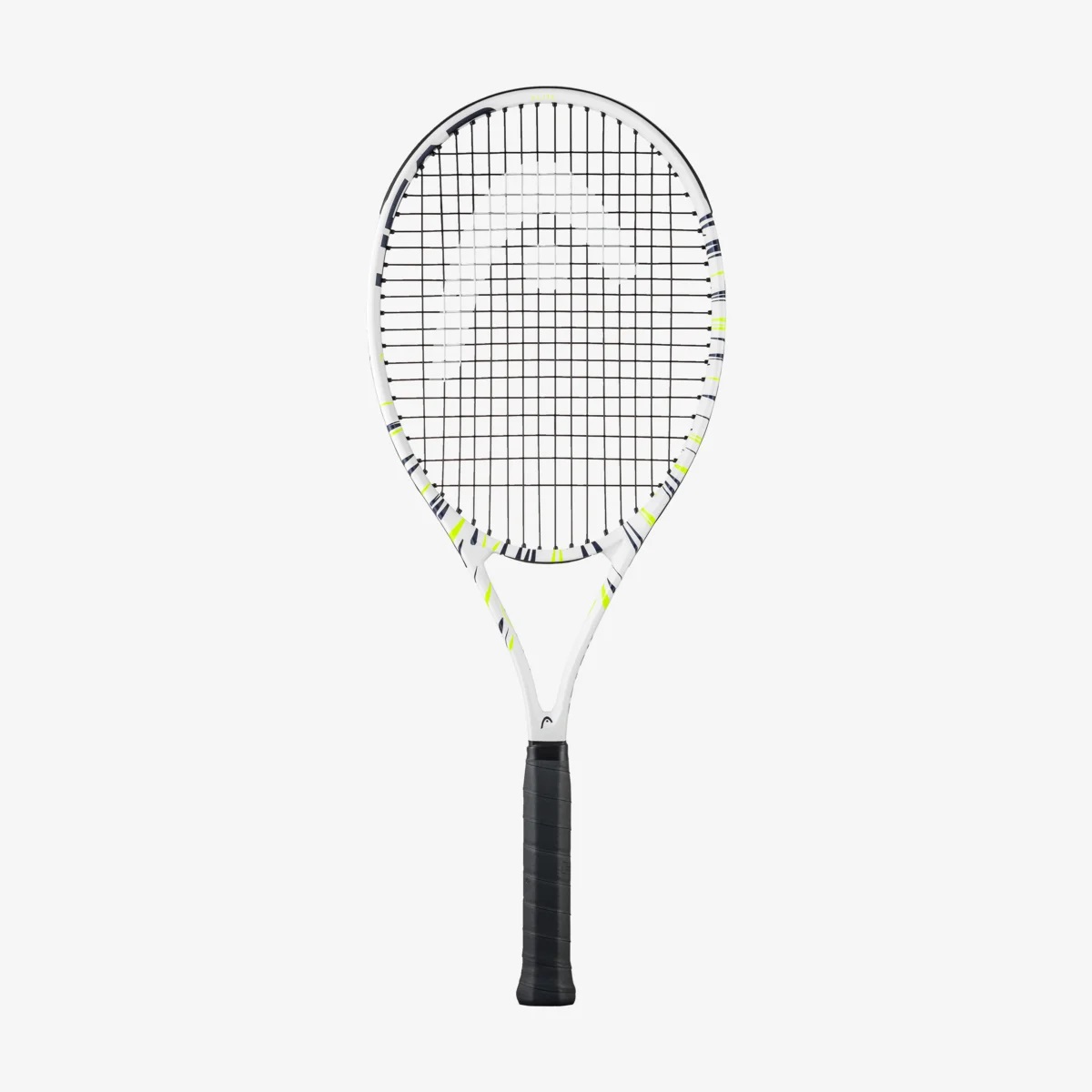
HEAD MX Spark Elite 2024 – 265g Lightweight Beginner Frame
Lightweight graphite frame that's easy to swing and forgiving on mishits. A reliable first racket for players just starting coaching classes.
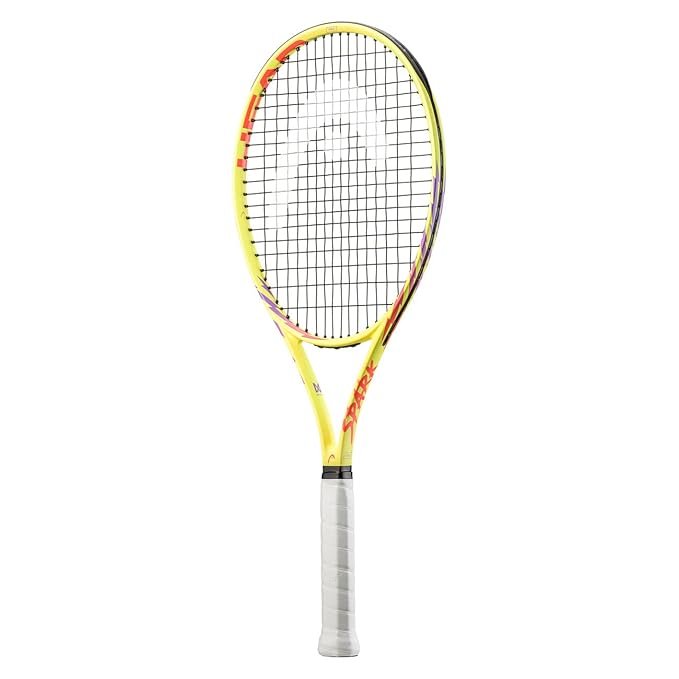
Head MX Spark Pro 270g Yellow – Strung Beginner Frame
Slight step up in weight for players building rally consistency. Comes pre-strung so you can hit the court the day it arrives.
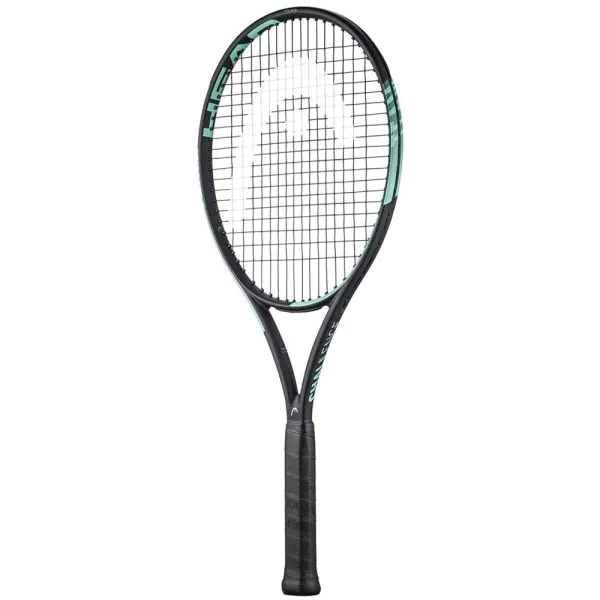
HEAD IG Challenge Team Mint – 270g Lightweight Graphite
Mint-colored lightweight graphite frame with Innegra technology for added stability. Suits players moving past their first racket.
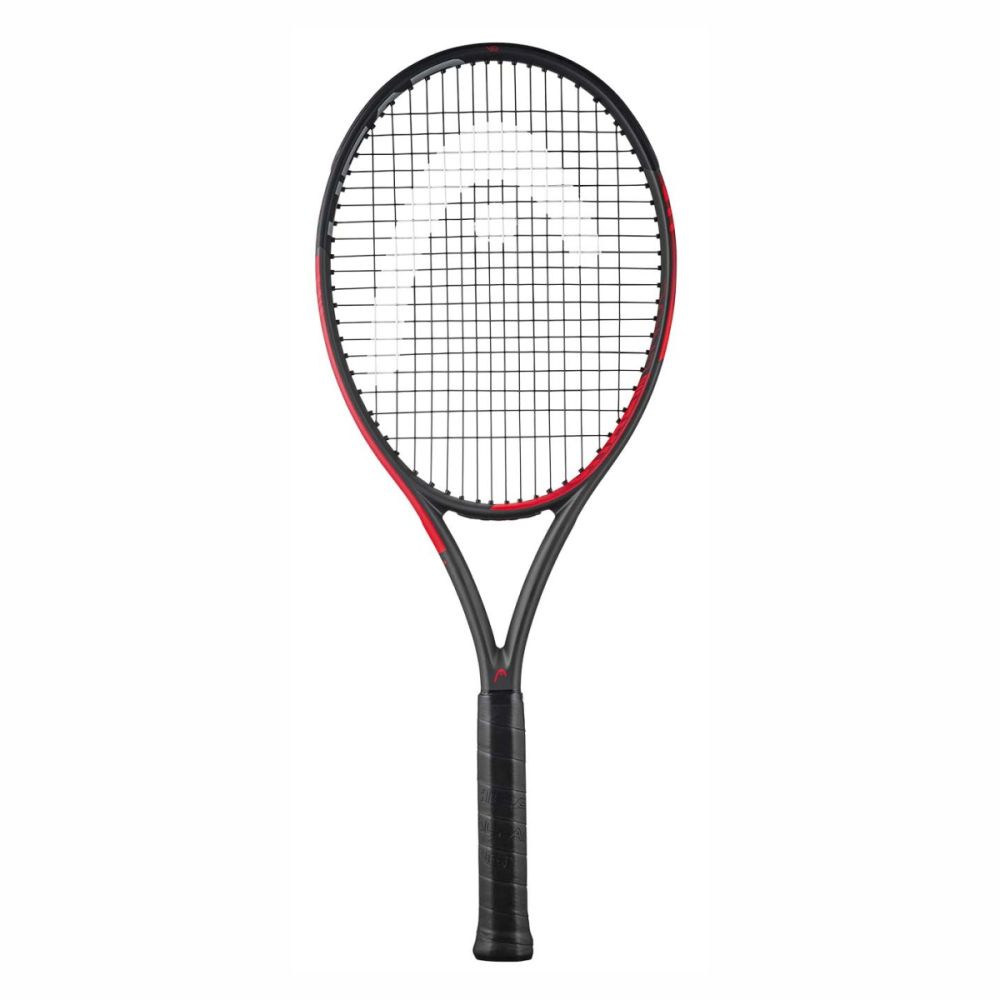
HEAD IG Challenge MP – 295g Graphite with Innegra Tech
Heavier MP variant for players who have developed solid technique and want more stability on aggressive groundstrokes.
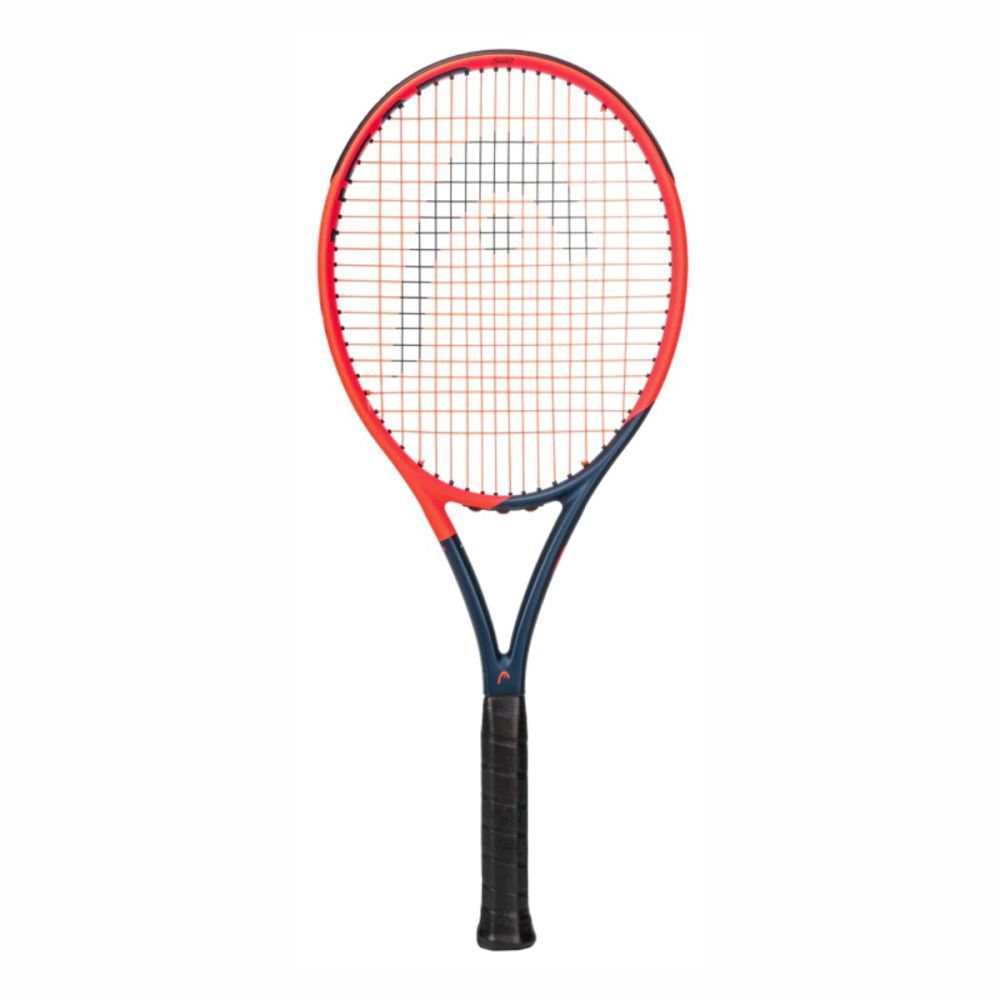
HEAD IG Radical XCEED – 270g Innegra Tech, Pre-Strung
Entry into the iconic HEAD Radical line (Andy Murray's series). Lightweight version suited to players who value control and feel.
🟡 Best for Intermediate Players (₹10,000 – ₹18,000)
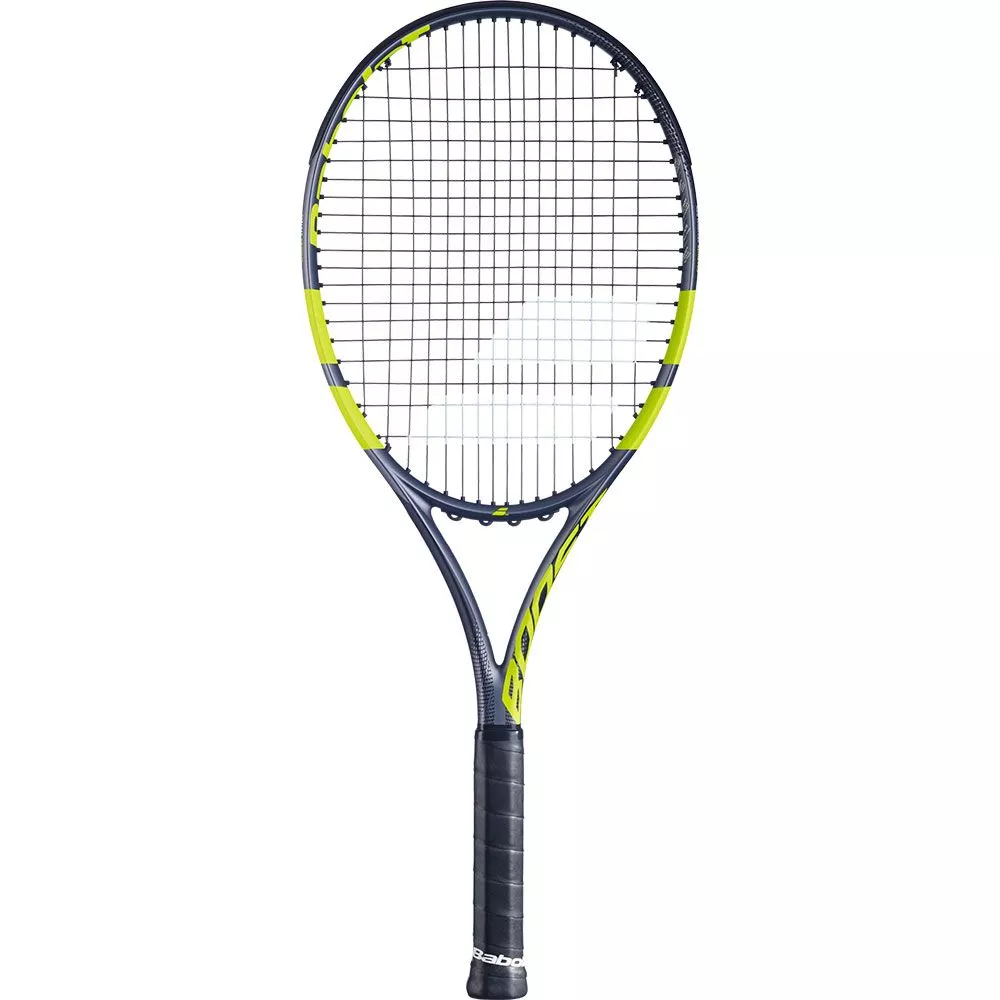
Babolat Boost Aero 2026 – Lightweight Graphite Spin Racket
Entry point into the iconic Babolat Aero family — the spin-friendly line used by Carlos Alcaraz. A great upgrade from an aluminum beginner frame.
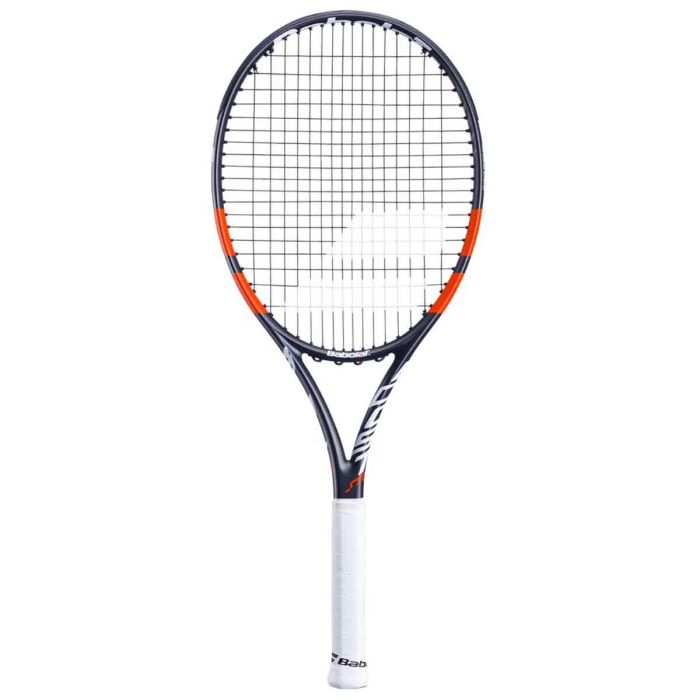
Babolat Boost Strike – 285g Graphite Frame for Power & Spin
Balanced power, spin, and manageable weight. Good choice for players transitioning from casual hitting to match play.
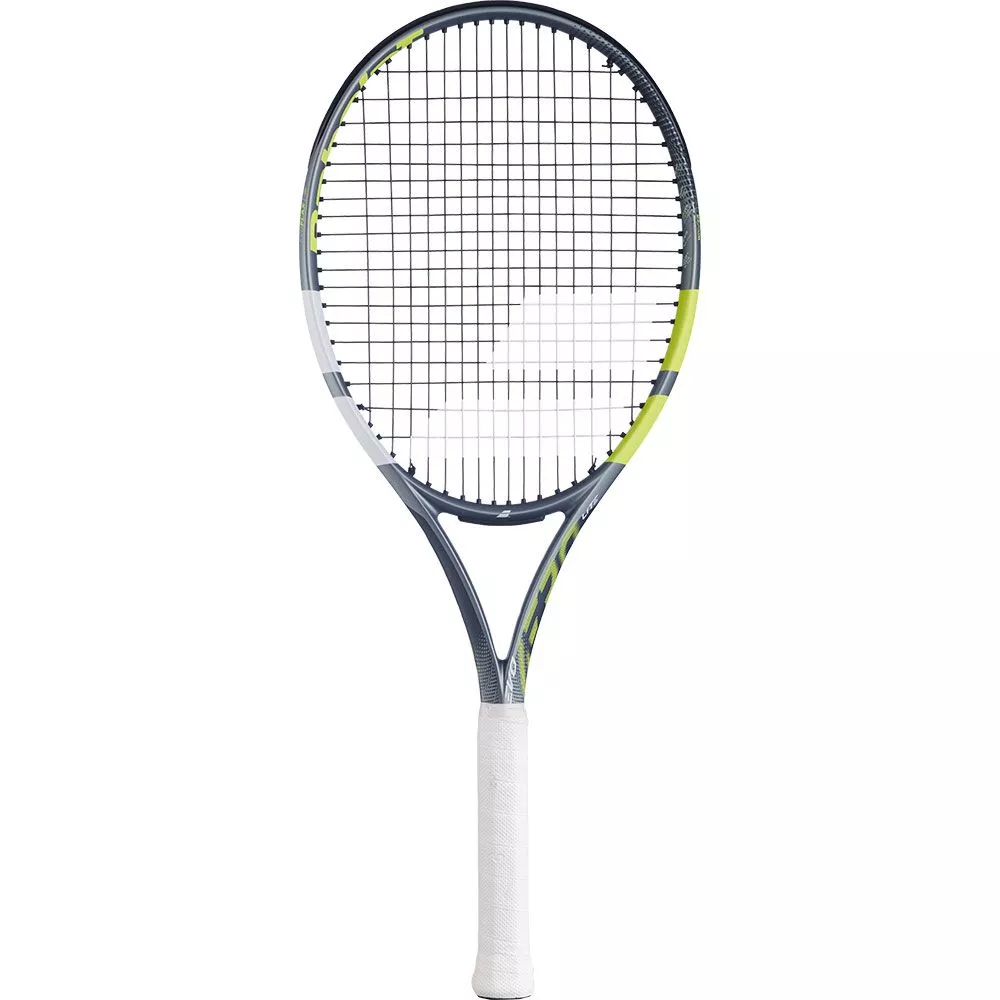
Babolat Evo Aero Lite 2026 – 260g Air Handle Touch Tech
Super-light 2026 launch with Air Handle Touch technology for enhanced feel. Ideal for players who prefer fast swing speeds.
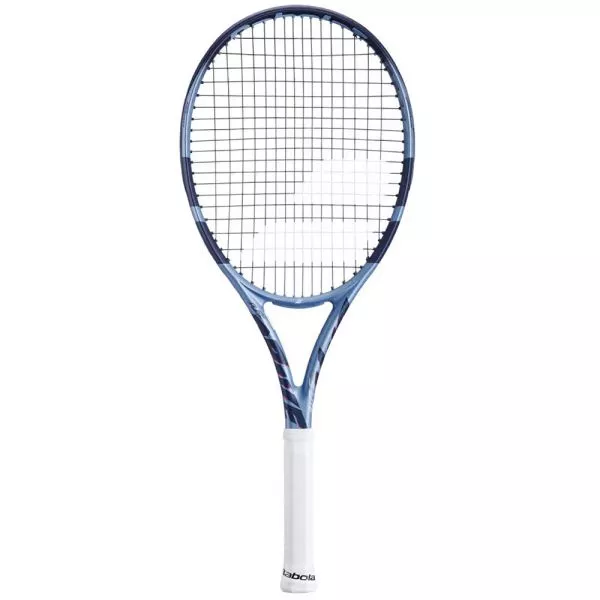
Babolat Pure Drive Super Lite – 255g Power Edition
Lightest version of the Pure Drive family. Ideal for women players or intermediate players upgrading from beginner frames.
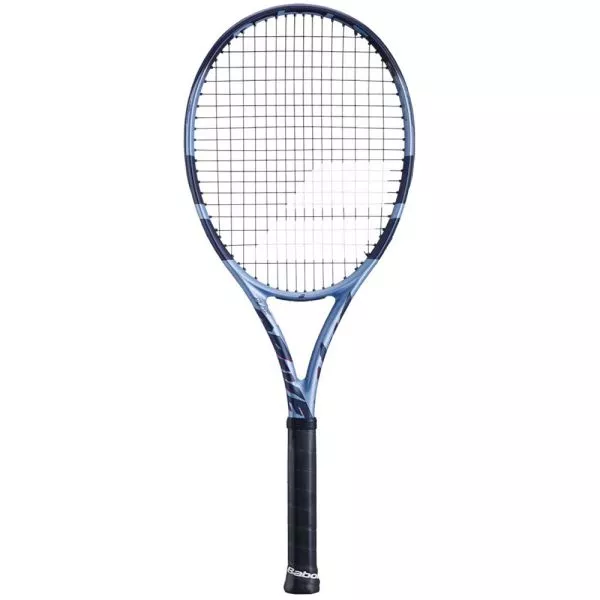
Babolat Pure Drive Lite 2025 – 270g Power Edition
Lighter version of the iconic Pure Drive — power without the full-weight demands. A favorite among developing intermediate players.
Babolat Pure Drive Team 2025 – 285g Power & Control Frame
The Pure Drive has been the world's most popular all-court racket for over a decade. The 285g Team version is the sweet spot for intermediate players.
🔴 Best for Advanced Players (₹18,000+)
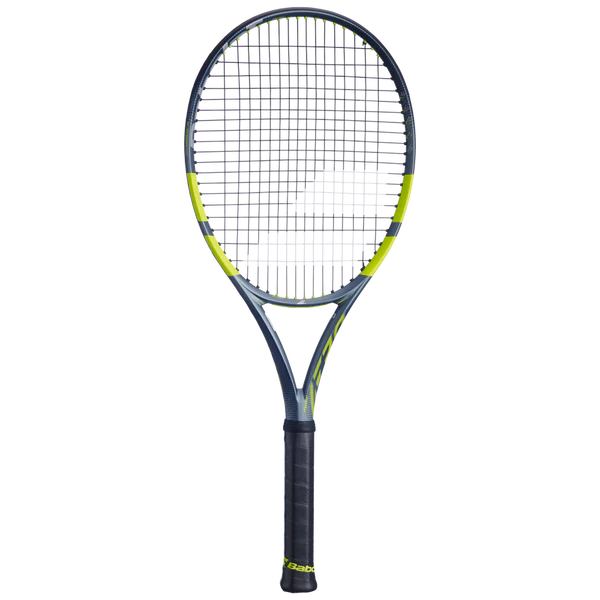
Babolat Pure Aero Super Lite 2026 – 255g with Free String
Lightest of the Pure Aero 2026 family. For advanced players who prefer a fast racket-head speed for heavy topspin.
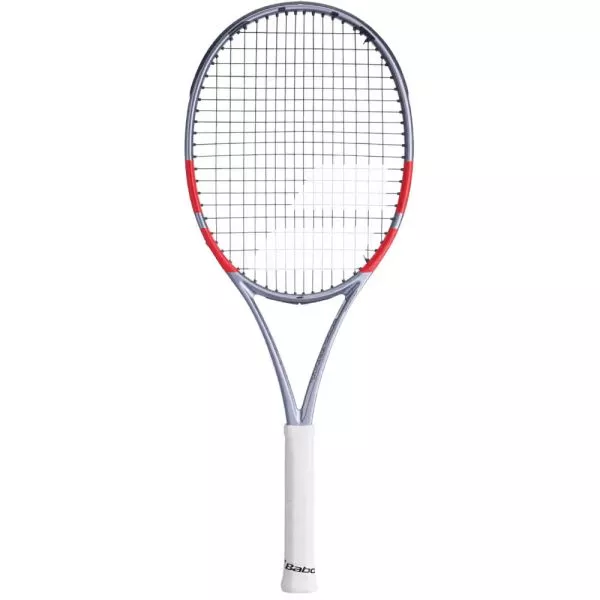
Babolat Pure Strike TEAM 4th Gen – 285g with Free String
Lighter Pure Strike for players who want the control-oriented Strike feel with manageable weight. Great for flat, aggressive hitters.
Babolat Pure Aero Lite 2026 – 270g with Free String
Lighter sibling of the flagship Pure Aero. Mid-weight option for advanced players who want spin-oriented play without full 300g heft.
Babolat Pure Drive 2025 – 300g with Free String
The all-court classic. Used by advanced players who want reliable power without sacrificing spin or control. Free string included.
Babolat Pure Strike 100 4th Gen – 300g with Free String
Bigger head size variant of the Pure Strike family. Gives advanced players control plus a more forgiving sweet spot than the 98.
Babolat Pure Strike 98 16×19 4th Gen – 305g with Free String
Tournament-grade control frame. For players who hit flatter, more aggressive groundstrokes and want pinpoint placement.
Babolat Pure Aero Team 2026 – 285g with Free String
Mid-weight Pure Aero 2026 variant. Spin technology of the flagship Pure Aero with easier handling — good for advanced women players and doubles specialists.
Babolat Pure Aero 2026 – 300g (Carlos Alcaraz's Racket)
9th-generation Pure Aero launched January 2026. 14 ATP top-100 players use this frame, including world #1 Carlos Alcaraz. Search interest in India up 50% in the last three months.
🧒 Best for Junior Players (Ages 9–11)
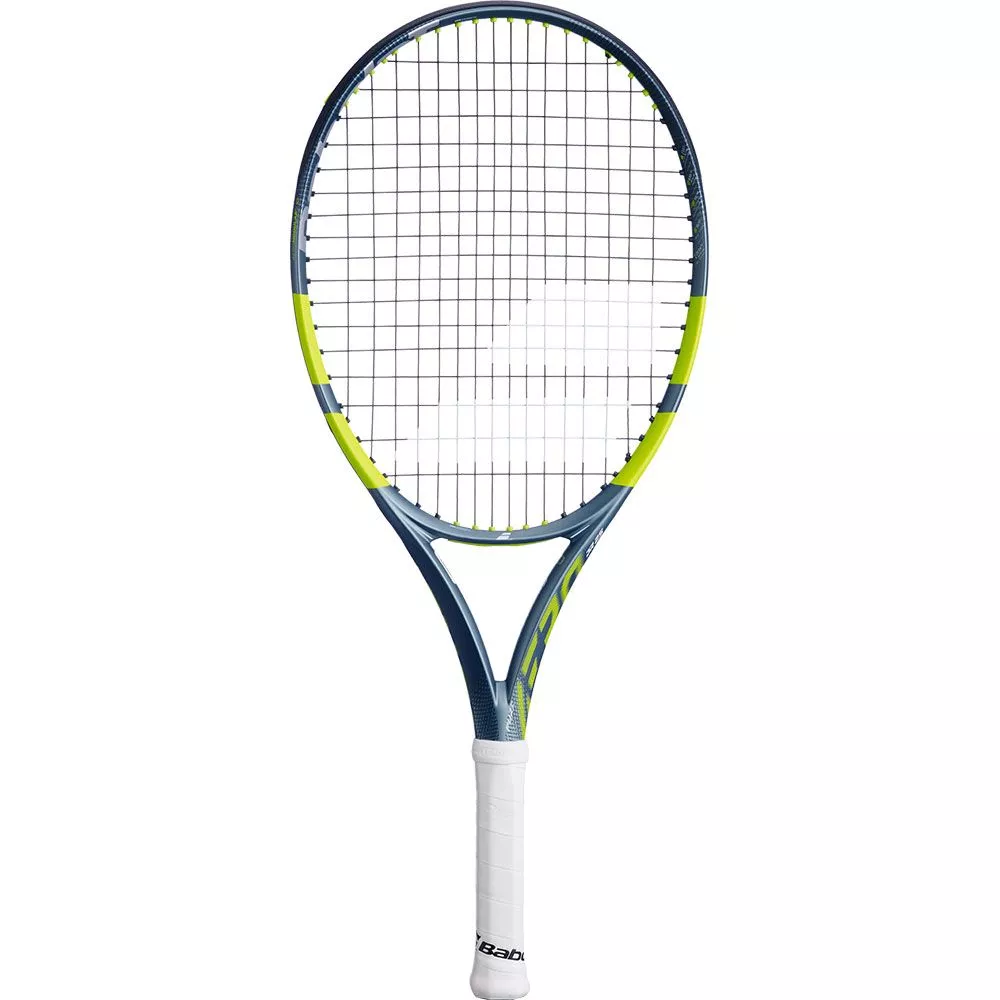
Babolat Pure Aero Junior 25 (2026) – Lightweight Spin Racket
The same spin-focused DNA as the adult Pure Aero, scaled down for younger players. Right pick for kids in academy training.
See our full tennis racket collection
Babolat, Wilson, HEAD, and Yonex — all authentic, stocked in Gurugram & Jaipur, shipped across India.
Browse All Tennis Rackets →7 COMMON MISTAKES TO AVOID WHEN BUYING
Before we wrap up, here are the seven biggest mistakes we see when players figure out how to choose a tennis racket — avoid these and you're ahead of 80% of first-time buyers.
1. Copying the Pro's Racket
Federer used the Wilson Pro Staff RF97 at 340g — that doesn't mean it's right for you. Pro rackets are built for pro swing speeds, and you can see their exact specs on the official ATP Tour player profiles. Starting with a frame that heavy will slow your stroke development and give you nothing but sore shoulders.
2. Buying a Racket That's Too Heavy
"Heavier = more power" is only half true when you're figuring out how to choose a tennis racket. Heavy rackets only give power if you can swing them at full speed. If you can't, they just feel clunky and your strokes get lazy.
3. Ignoring Grip Size
Many first-time buyers pick whichever grip size is in stock. Wrong grip causes your wrist to over-compensate and can lead to discomfort over time. Measure first — always.
4. Spending Too Much on Your First Racket
A ₹25,000 pro frame will not make you a better player. Start in the ₹4,000–9,000 range, play for 6–9 months, then upgrade once you know your playing style.
5. Choosing a Head Size Too Small
A 95 sq in racket is brutal for a beginner. You'll mishit constantly, get frustrated, and blame the sport instead of the racket. When learning how to choose a tennis racket as a beginner, start with 100+ sq in, always.
6. Not Testing Before Buying (When Possible)
If you live near our Gurugram or Jaipur stores, come in and hold the rackets. Even a 10-minute swing test at the shop gives you info no spec sheet can. If you're ordering online, use Sports Galaxy's easy return policy as your safety net.
7. Forgetting About Accessories
A great racket with the wrong overgrip feels slippery in monsoon humidity. Read our guide on best tennis overgrips for sweaty hands in India to finish your setup properly.
QUICK REFERENCE — TENNIS RACKET AT A GLANCE
Light & Forgiving
100–110 sq in
265–280g
Head heavy
₹4k – ₹9k
Balanced All-Court
98–105 sq in
280–300g
Even balance
₹9k – ₹18k
Precision & Power
95–100 sq in
295–320g
Head light
₹18k+
FREQUENTLY ASKED QUESTIONS
Q1. How do I choose a tennis racket as a complete beginner?
Q2. What's the right grip size for Indian players?
Q3. Graphite or aluminum — which is better for beginners?
Q4. How much should I spend on my first tennis racket?
Q5. What weight should a beginner's tennis racket be?
Q6. Does brand really matter when choosing a tennis racket?
Q7. How often should I upgrade my tennis racket?
Q8. Are 2026 tennis rackets significantly better than 2024 models?
Q9. What string tension should I choose for my new racket?
Q10. Can I return a tennis racket if it doesn't feel right?
CONCLUSION — YOUR NEXT STEP
Learning how to choose a tennis racket comes down to matching six specs to your skill level: head size, weight, balance, grip size, material, and string pattern. Get those right, and everything else — color, brand preferences, fancy tech names — is just personalization. If you understand how to choose a tennis racket that fits your body and playing style, you'll progress faster and enjoy every session more.
Here's our one-line summary for each level:
- Beginner: 100–110 sq in head, 265–280g, head heavy, grip G1–G3, ₹4,000–9,000 budget.
- Intermediate: 98–105 sq in head, 280–300g, even balance, full graphite, ₹9,000–18,000 budget.
- Advanced: 95–100 sq in head, 295–320g, head light, carbon composite, ₹18,000+ budget.
Ready to find your tennis racket?
All authentic Wilson, Babolat, HEAD, and Yonex frames. Free professional stringing on select rackets. Expert guidance on WhatsApp.
Shop Tennis Rackets →Related Reading
- Tennis Racket Weight Guide 2026 — Light vs Heavy
- Tennis Racket String Tension — Complete Guide
- Best Tennis Overgrips for Sweaty Hands in India
- Racket Exchange Program — Trade Up Your Old Racket
External References
- International Tennis Federation (ITF) — Global tennis governing body and equipment standards authority.
- ATP Tour Player Profiles — Verified racket specs used by the world's top professional players.
- Tennis Racket History & Technology (Wikipedia) — Background on how racket design has evolved over decades.