Tennis racket string tension is the most overlooked setting in tennis — yet it affects every single shot you hit. Too tight and you lose power, too loose and you lose control. This tennis racket string tension guide explains exactly how tension works, what numbers to use for your string type and skill level, and how Indian weather conditions should change your tension. By the end, you will know your ideal tension setup.
📋 What's Inside This Guide
- What is Tennis String Tension?
- Low vs High Tension — Power vs Control
- Recommended Tension by String Type
- Recommended Tension by Skill Level
- Popular Racket Tension Recommendations
- India-Specific Tension Guide
- Tension Loss & When to Restring
- Hybrid String Tension Setup
- How to Find Your Perfect Tension
- Pro Player Tensions
- Frequently Asked Questions
What is Tennis String Tension?
Tennis racket string tension is the amount of force (measured in pounds or kilograms) applied when strings are pulled and secured into your racket frame by a stringing machine. Think of it like tuning a guitar — tighter strings produce a different sound and feel than looser ones. In tennis, your tennis racket string tension directly controls how your racket responds to every ball you hit.
When a tennis ball hits your strings, the string bed temporarily deforms and then snaps back — acting like a spring. The tightness of that spring determines whether you get more power or more control from the shot. Most players set their tennis racket string tension between 40–65 lbs (18–29 kg), though the modern trend — especially among professionals — is moving toward lower tensions.
Every racket has a recommended tension range printed on the inside of the throat or frame. For example, the Babolat Pure Aero 2026 recommends 50–59 lbs, while the Yonex EZONE 100 2025 has a wider range of 45–65 lbs. Always start within your racket's recommended range.
If you are stringing a new racket for the first time, start at the midpoint of the recommended tension range. For example, if your racket says 50–60 lbs, set your tennis racket string tension at 55 lbs. Play 2–3 sessions, then adjust by 2 lbs up or down based on feel.
Low vs High Tension — Power vs Control
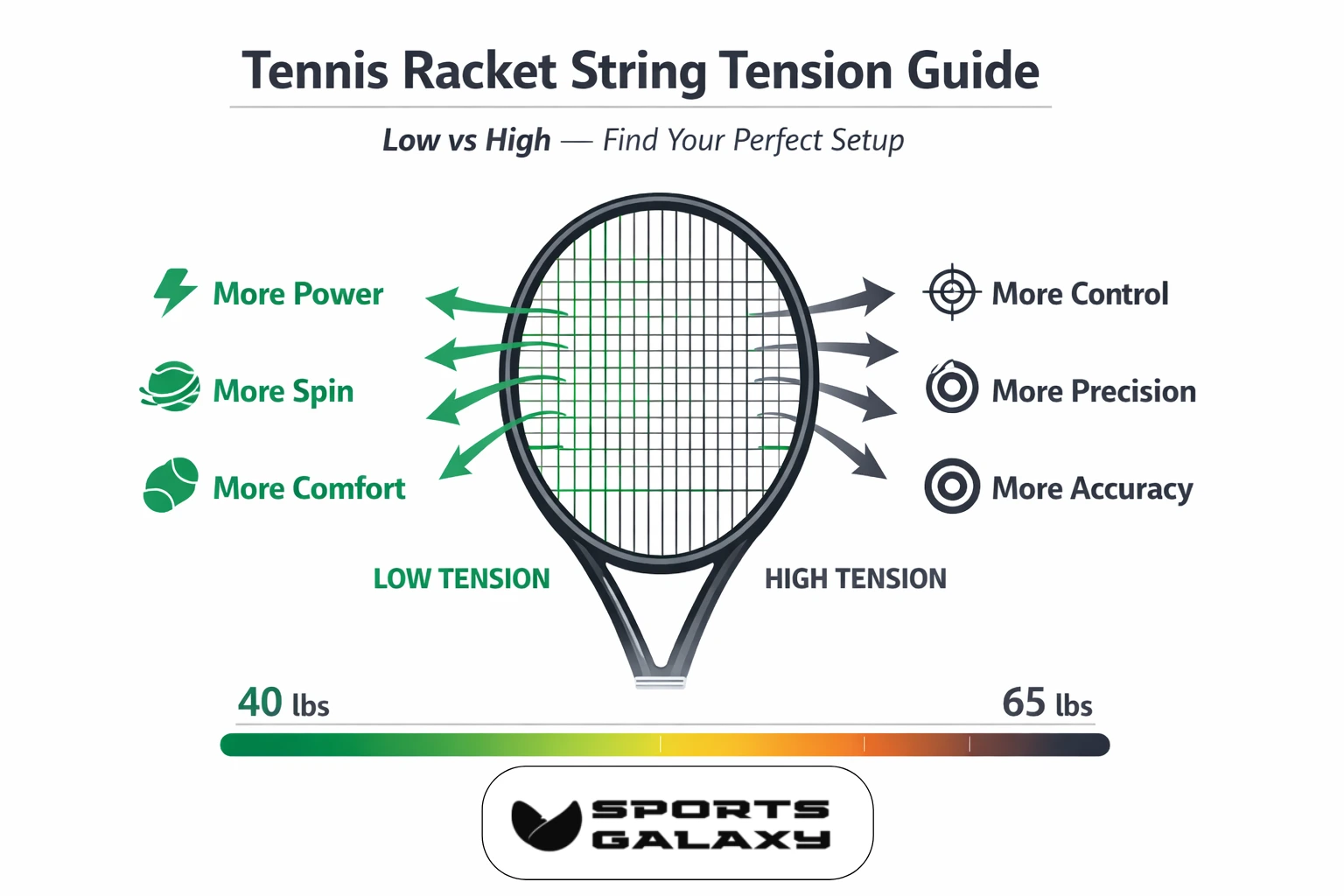
The fundamental rule of tennis racket string tension is simple: lower tension = more power, higher tension = more control. But there is more nuance to it than that.
⬇️ Low Tension (40–50 lbs)
- More power — trampoline effect launches the ball
- More spin — deeper ball pocketing = more snapback
- Larger sweet spot — forgiving on off-center hits
- More comfort — softer feel, arm-friendly
- Less control — harder to place precisely
⬆️ High Tension (55–65 lbs)
- More control — precise shot placement
- Flatter trajectory — less ball pocketing
- Smaller sweet spot — less forgiving
- Less comfort — stiffer, harder on the arm
- Less power — you must generate your own
How Tension Affects Every Aspect of Your Game
| Factor | Lower Tension (40–50 lbs) | Mid Tension (50–55 lbs) | Higher Tension (55–65 lbs) |
|---|---|---|---|
| Power | ⬆️ More | Balanced | ⬇️ Less |
| Control | ⬇️ Less | Balanced | ⬆️ More |
| Spin Potential | ⬆️ More | Good | ⬇️ Less |
| Comfort | ⬆️ More | Moderate | ⬇️ Less |
| Sweet Spot | ⬆️ Larger | Medium | ⬇️ Smaller |
| Durability | ⬆️ Better | Normal | ⬇️ Faster breakage |
| Feel / Touch | Softer, dampened | Balanced | Crisp, direct |
| Best For | Beginners, arm issues | Most players | Advanced, fast swings |
Many players think higher tennis racket string tension = better performance. This is wrong. If you string too high without the swing speed to generate your own power, your shots will land short and feel harsh on your arm. The modern trend among top ATP pros is toward lower tensions (42–50 lbs) — the average among the top 500 players is just 44 lbs.
Recommended Tension by String Type
Different types of tennis strings behave very differently under tension. Choosing the right tennis racket string tension for your string material is critical — polyester is stiff and needs lower tension to be playable. Multifilament is elastic and performs best at higher tensions. Using the wrong tension for your string type is one of the most common mistakes players make.
| String Type | Recommended Range | Sweet Spot | Why This Range |
|---|---|---|---|
| Polyester / Co-Poly | 42–52 lbs | 46–50 lbs | Stiff material — lower tension improves comfort, spin, and power |
| Multifilament | 50–58 lbs | 52–56 lbs | Elastic material — higher tension tames excess power |
| Monofilament (Synthetic Gut) | 50–60 lbs | 52–56 lbs | Balanced material — mid-range gives best all-round performance |
| Natural Gut | 52–62 lbs | 55–58 lbs | Most elastic — holds tension best, performs well at higher ranges |
| Hybrid (Poly + Multi/Gut) | Mains: 44–52 / Crosses: 48–56 | 48 / 52 | Poly mains 2–4 lbs lower to balance stiffness |
Polyester — Go Lower Than You Think
The biggest mistake with polyester tennis strings is stringing them too high. Polyester is inherently stiff — at high tensions it becomes boardy, harsh on the arm, and kills your power. The ideal tennis racket string tension for most poly strings is 46–50 lbs. Popular polyester strings at Sports Galaxy with their ideal tension ranges:
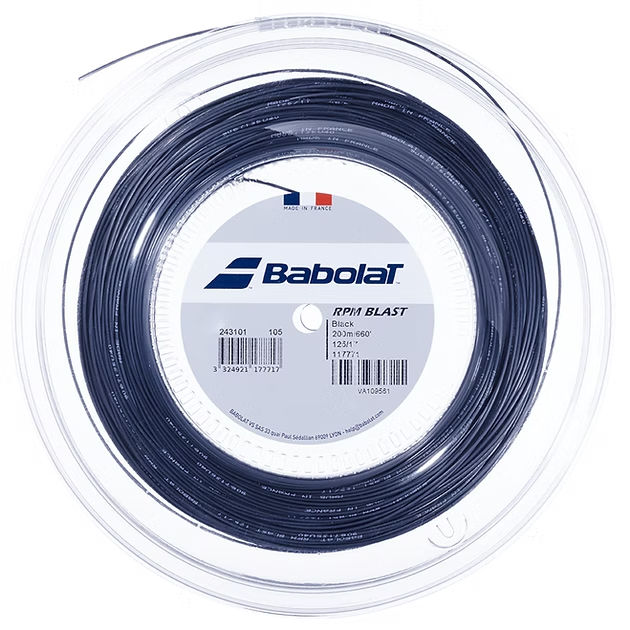
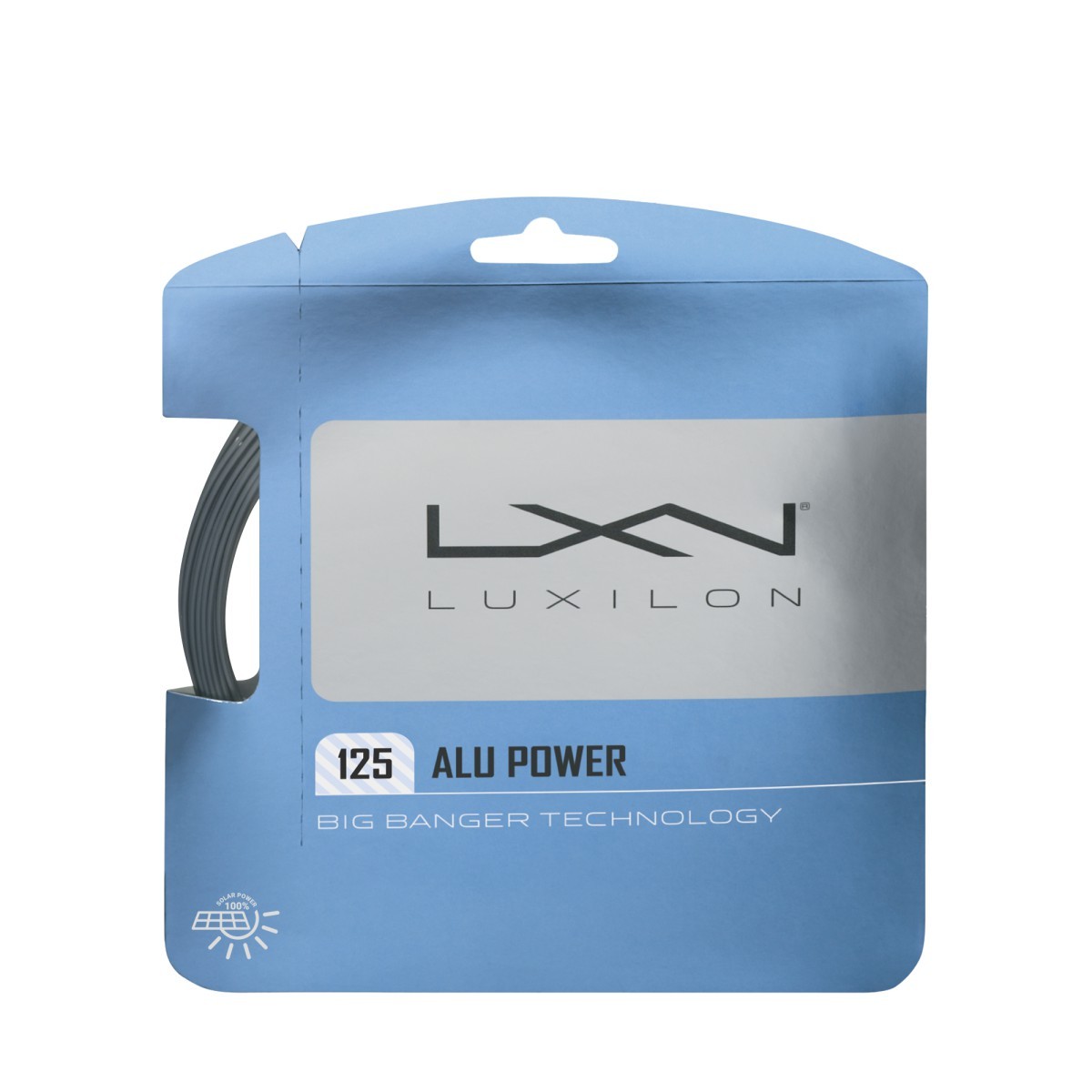
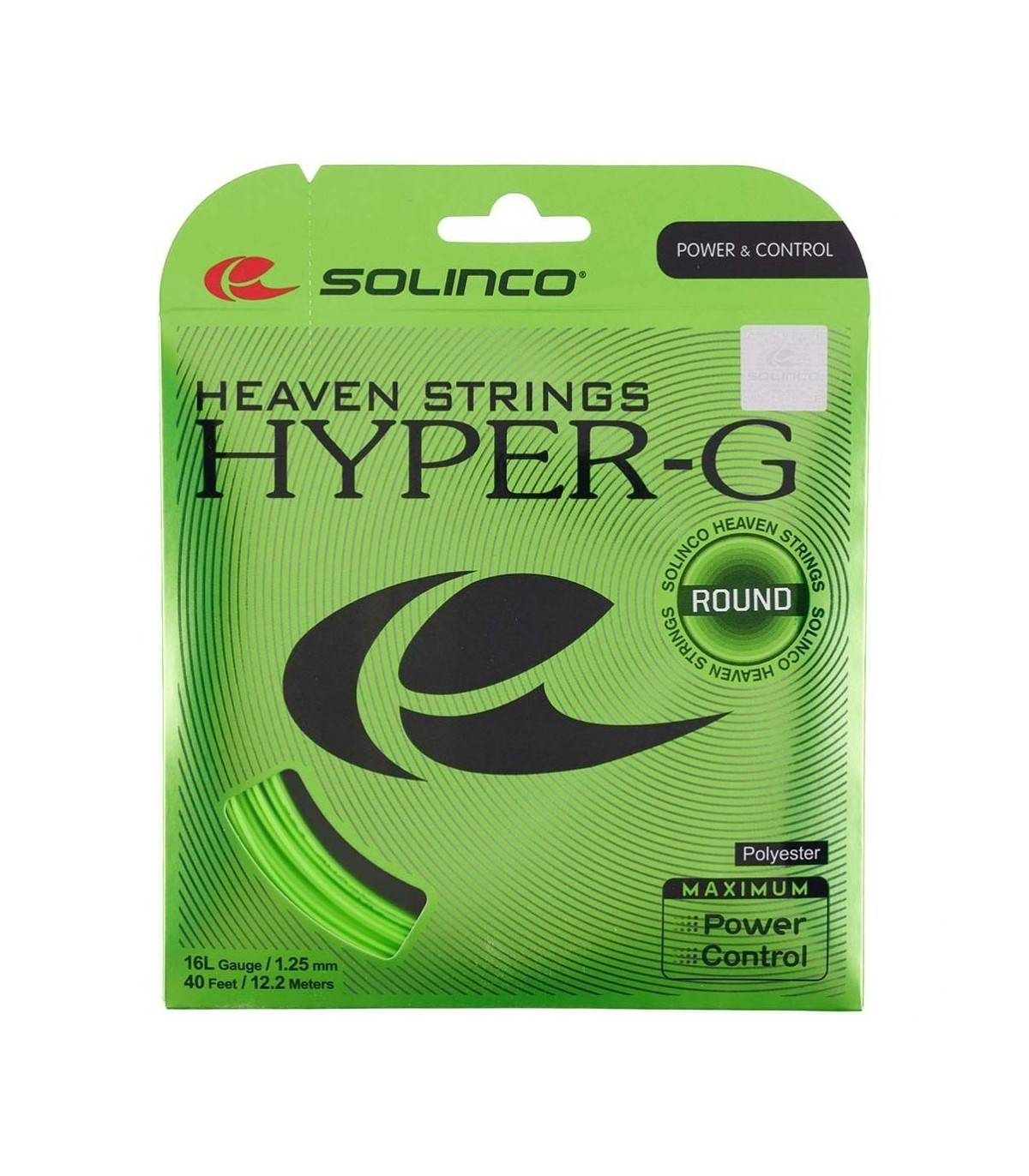
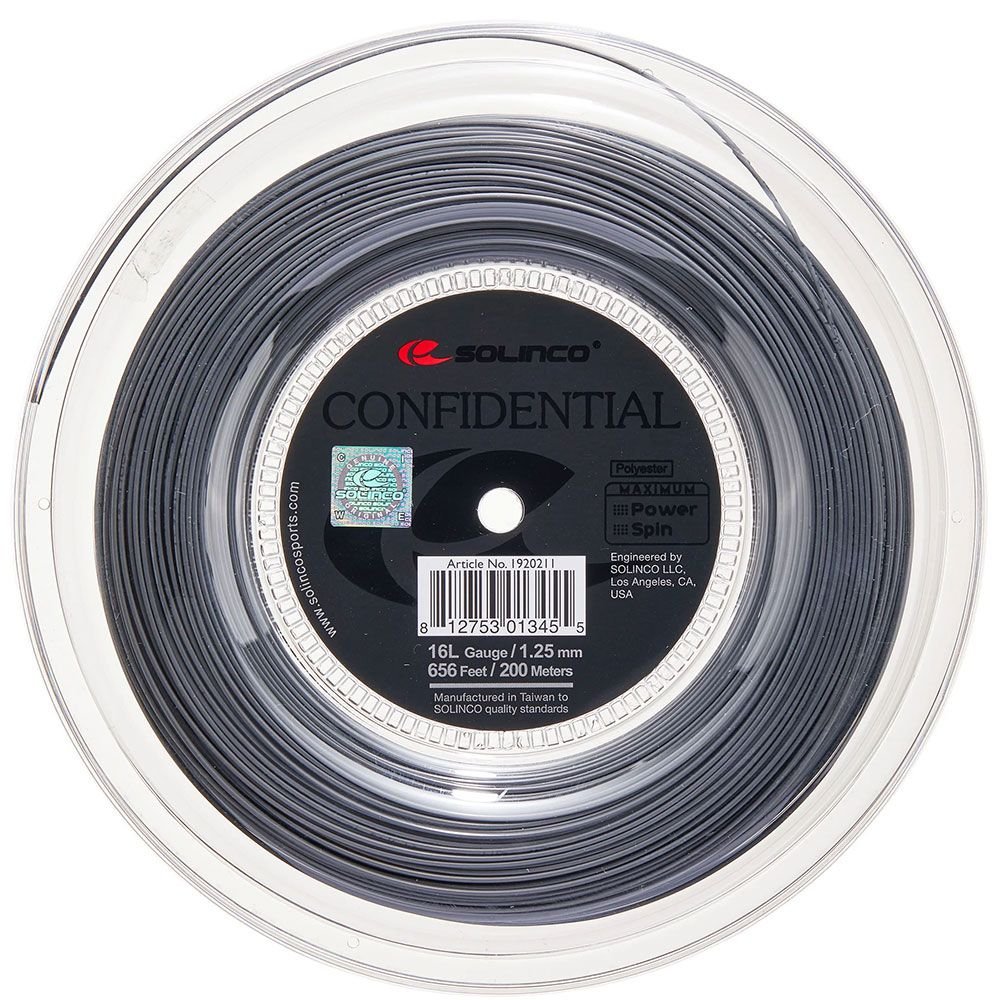
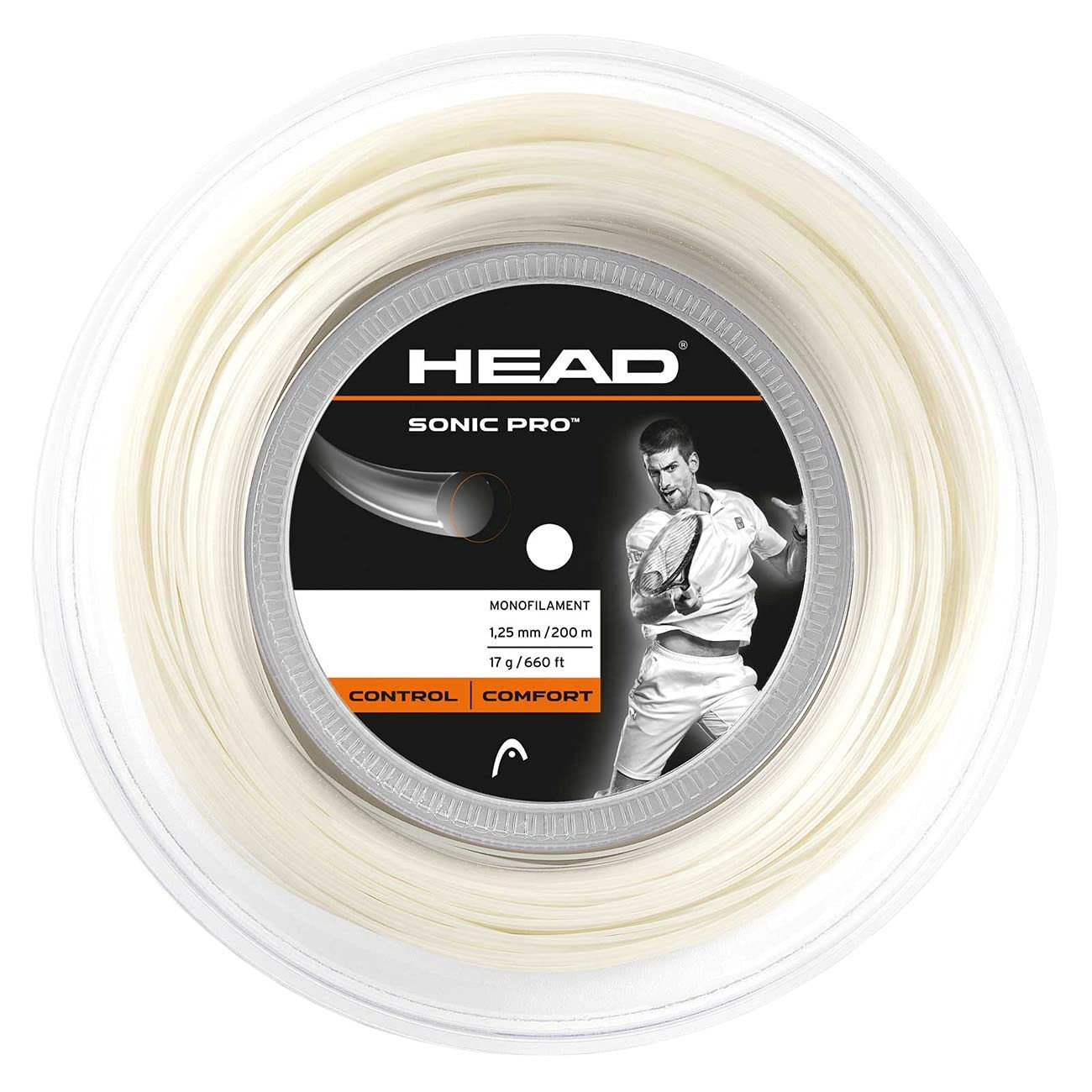
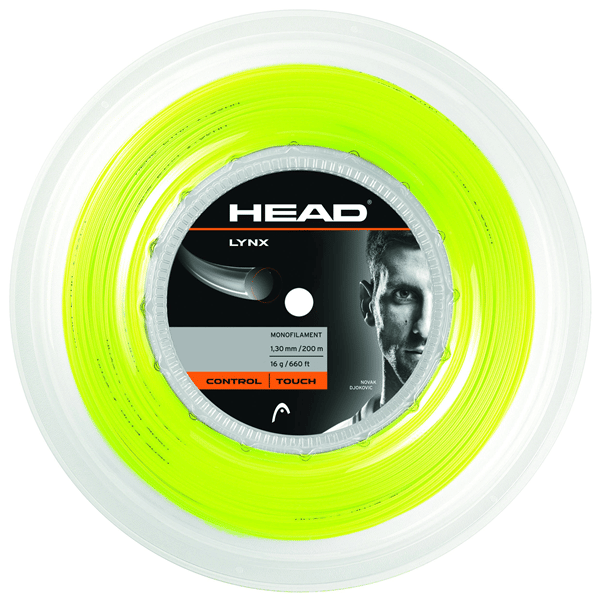
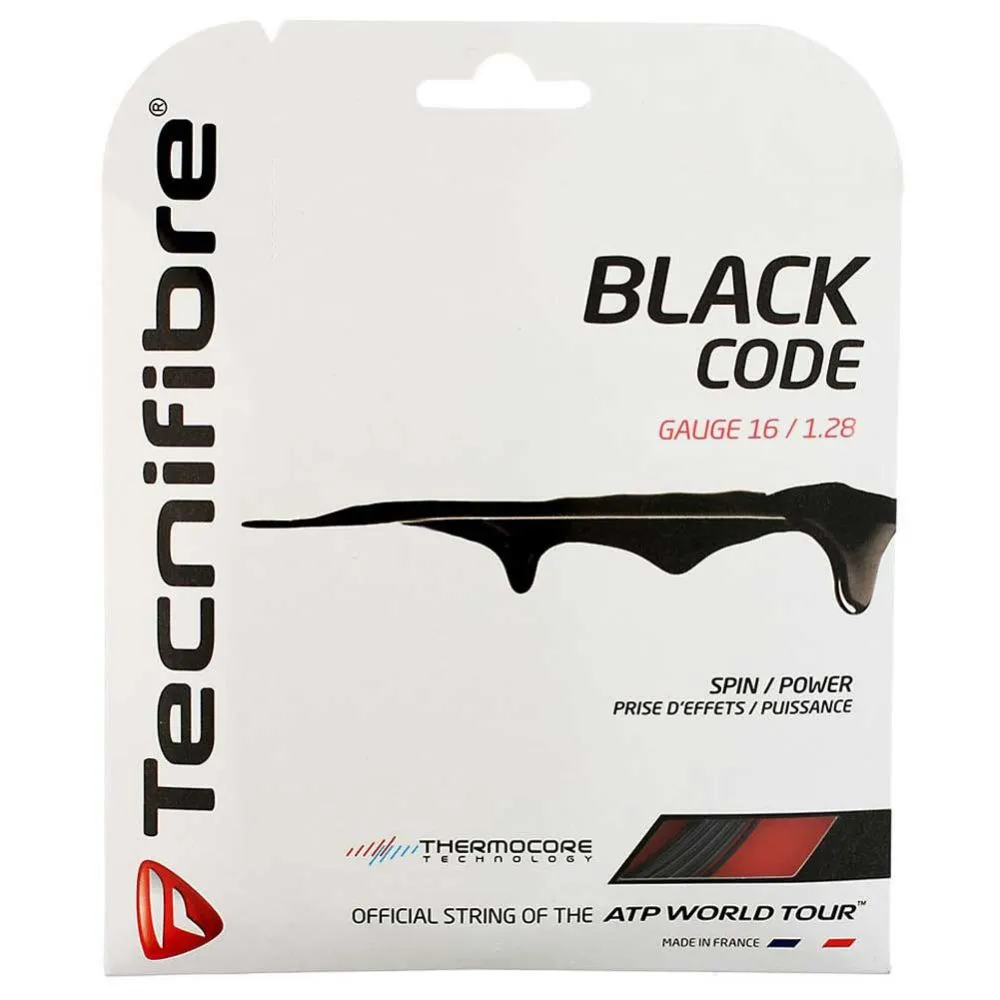
Babolat RPM Blast (₹749) — Best at 48–52 lbs. The gold standard for spin. | Luxilon ALU Power (₹1,500) — Best at 46–50 lbs. Tour favorite, excellent control. | Solinco Hyper-G Round (₹975) — Best at 46–50 lbs. High power and control. | Solinco Confidential (₹699) — Best at 48–52 lbs. Softer co-poly. | Head Sonic Pro (₹699) — Best at 50–54 lbs. Arm-friendly co-poly. | Head Lynx 16 (₹550) — Best at 48–52 lbs. Budget spin choice. | Solinco Tour Bite (₹600) — Best at 44–48 lbs. Very firm, go low. | Tecnifibre Black Code (₹699) — Best at 48–52 lbs. Clean control.
Multifilament — Higher is Better
Multifilament tennis strings are naturally elastic and powerful. At low tensions they feel mushy and uncontrollable. String them at 52–56 lbs for the best balance. Head Reflex MLT (₹1,199) performs best at 52–56 lbs — great for players with arm issues or those seeking comfort.
Monofilament (Synthetic Gut) — Start in the Middle
Monofilament strings are the most forgiving with tension choice. Start at 52–56 lbs (midpoint of your racket range) and adjust from there. These are ideal tennis strings for power seekers on a budget.
Whatever tension you use for multifilament or synthetic gut, string polyester 5–10% lower. If you normally string multifilament at 55 lbs, try polyester at 48–50 lbs. This compensates for polyester's inherent stiffness.
🛒 Top Tennis Strings at Sports Galaxy — With Ideal Tension
🛒 Top Tennis Strings at Sports Galaxy — With Ideal Tension
| String | Type | Price | Ideal Tension | Best For |
|---|---|---|---|---|
| Babolat RPM Blast | Polyester | ₹749 | 48–52 lbs | Spin, Control (Alcaraz's choice) |
| Luxilon ALU Power 125 | Polyester | ₹1,500 | 46–50 lbs | Tour-level control, feel |
| Solinco Hyper-G 16 | Polyester | ₹700 | 46–50 lbs | Extreme spin, square profile |
| Solinco Confidential 16 | Polyester | ₹699 | 48–52 lbs | Soft co-poly, arm-friendly |
| Head Sonic Pro 16 | Polyester | ₹699 | 50–54 lbs | Comfort, budget co-poly |
| Head Lynx 16 | Polyester | ₹550 | 48–52 lbs | Budget spin string |
| Solinco Tour Bite 16 | Polyester | ₹600 | 44–48 lbs | Extreme bite, go low |
| Tecnifibre Black Code 16 | Polyester | ₹699 | 48–52 lbs | Clean control, firm feel |
| Head Reflex MLT 16 | Multifilament | ₹1,199 | 52–56 lbs | Comfort, tennis elbow relief |
Recommended Tension by Skill Level
Your skill level determines how much power you generate — which directly affects the tennis racket string tension you should use.
If you are new to tennis, do NOT set your tennis racket string tension above 56 lbs. High tension requires fast swing speed to generate power — beginners do not have this yet. Start low (50–54 lbs), focus on technique, and increase tension gradually as your game improves.
Popular Racket Tension Recommendations
Every racket has a manufacturer-recommended tennis racket string tension range. Here are the ranges for popular rackets available at Sports Galaxy, along with our suggested starting tension.
| Racket | Rec. Range | Start (Poly) | Start (Multi) | Best For |
|---|---|---|---|---|
| Babolat Pure Aero 2026 | 50–59 lbs | 50 lbs | 54 lbs | Spin, Power |
| Pure Aero 98 2026 | 50–59 lbs | 52 lbs | 55 lbs | Spin, Control |
| Pure Aero Lite 2026 | 50–59 lbs | 48 lbs | 52 lbs | Lightweight, Beginners |
| Pure Aero Team 2026 | 50–59 lbs | 49 lbs | 53 lbs | Intermediate |
| Pure Aero Super Lite 2026 | 50–59 lbs | 47 lbs | 51 lbs | Juniors, Light Hitters |
| Wilson Shift 99 | 50–60 lbs | 50 lbs | 55 lbs | Power, Control |
| Wilson Pro Staff 97 V14 | 50–60 lbs | 48 lbs | 54 lbs | Control, Feel |
| Head Speed MP L 2026 | 48–57 lbs | 48 lbs | 52 lbs | Speed, Control |
| Head Speed Team 2026 | 48–57 lbs | 46 lbs | 52 lbs | Lightweight, Comfort |
| Head Radical Pro 2023 | 48–57 lbs | 50 lbs | 54 lbs | All-round, Advanced |
| Yonex EZONE 100 2025 | 45–65 lbs | 50 lbs | 55 lbs | Power, Comfort |
| Yonex VCORE 100L | 45–65 lbs | 48 lbs | 53 lbs | Spin, Lightweight |
Head Size & String Pattern Affect Tension
Two rackets with the same recommended range can feel completely different. Your tennis racket string tension should account for these variables. Head size: Larger heads (100+ sq in) have longer strings that need slightly higher tension for stability. Smaller heads (98 sq in) feel tighter at the same tension — so you can string 2 lbs lower.
String pattern: Open patterns (16×19) are more powerful and spin-friendly — you can string slightly tighter for control. Dense patterns (18×20) reduce power and spin — string slightly looser for better feel.
🇮🇳 India-Specific: How Indian Weather Affects String Tension
Indian climate is one of the harshest for tennis racket string tension. Extreme heat, humidity, and seasonal changes mean you cannot use the same tension year-round.
Summer (35°C+ / March–June)
Heat makes strings elastic — they lose tension faster. Polyester can lose up to 30% tension in the first 24 hours during Indian summers. Solution: String 2–3 lbs tighter than your normal tension.
Monsoon (High Humidity / June–September)
Humidity does not affect polyester much, but natural gut degrades rapidly. Solution: Stick with polyester during monsoon. Avoid natural gut entirely.
Winter (15–25°C / November–February)
Cold stiffens strings — they feel tighter and less powerful. This is the best season for tennis in India. Solution: Use your standard or slightly lower tension (drop 1–2 lbs).
Seasonal Tension Chart for India
| String Type | Summer (35°C+) | Monsoon | Winter (15–25°C) |
|---|---|---|---|
| Polyester | 48–55 lbs (+2-3) | 46–53 lbs | 44–50 lbs (standard) |
| Multifilament | 54–58 lbs (+2) | 52–57 lbs (+1) | 50–55 lbs (standard) |
| Monofilament | 54–58 lbs (+2) | 52–57 lbs (+1) | 50–56 lbs (standard) |
| Hybrid | Poly: 50–54 / Multi: 52–56 | Poly: 48–52 / Multi: 52–55 | Poly: 46–50 / Multi: 50–54 |
Tension Loss & When to Restring
Every tennis string loses tension from the moment it is strung — no string holds its original tennis racket string tension forever. Understanding tension loss helps you know when strings are "dead" and need replacing.
| String Type | Loss (24 hrs) | Loss (1 week) | Playable Life | Restring When |
|---|---|---|---|---|
| Polyester | 20–25% | 25–30% | 15–25 hrs | Feels dead / boardy |
| Multifilament | 10–15% | 15–20% | 20–30 hrs | Loss of crisp feel |
| Monofilament | 10–12% | 15–18% | 25–40 hrs | Strings feel flat |
| Natural Gut | 5–10% | 10–15% | Until it breaks | When it snaps |
Restring as many times per year as you play per week. Play 3 times a week? Restring 3 times a year minimum. Dead polyester loses spin potential completely — even if strings have not broken. In Indian summer heat, increase restringing frequency by about 30%. Visit Sports Galaxy Stringing Service in Gurgaon for professional restringing.
Hybrid String Tension Setup
In a hybrid setup, you use two different strings — typically polyester in the mains and multifilament or natural gut in the crosses. The tennis racket string tension for each should be different because the materials have different stiffness levels.
The 5% Rule for Hybrids
String your polyester mains 5% lower than your multifilament crosses. This compensates for polyester's stiffness and creates a balanced string bed. For example: RPM Blast mains at 48 lbs + Head Reflex MLT crosses at 52 lbs.
| Hybrid Combo | Mains Tension | Crosses Tension | Feel |
|---|---|---|---|
| Poly + Multifilament | 48 lbs | 52 lbs | Spin + Comfort balance |
| Poly + Synthetic Gut | 48 lbs | 50 lbs | Budget hybrid, good spin |
| Natural Gut + Poly | 56 lbs (gut) | 52 lbs (poly) | Power + Control (Federer-style) |
How to Find Your Perfect Tension — Step by Step
Step 1: Check your racket's recommended tennis racket string tension range (printed on the throat/frame). See the racket table above for quick reference.
Step 2: Identify your string type — polyester goes lower, multifilament/synthetic gut goes at midpoint or higher.
Step 3: Factor in skill level — beginners go toward the lower end, advanced players can experiment freely.
Step 4: Consider the season — add 2–3 lbs in Indian summer, subtract 1–2 lbs in winter.
Step 5: Start at the calculated tension and play 2–3 sessions.
Step 6: Adjust by 2 lbs at a time based on feel:
- Balls going long consistently? → Increase tension by 2 lbs
- Shots landing short / lacking power? → Decrease tension by 2 lbs
- Arm pain or stiffness? → Decrease tension by 3–4 lbs
- Good power but want more control? → Increase tension by 2 lbs
Step 7: Once you find your sweet spot, note it down — this becomes your "reference tension" for future restrings.
Pro Player String Tensions (2025–2026)
Professional players use a wide range of tennis racket string tension — proving there is no single "correct" number. Here is what the top players use.
| Player | Racket | String | Tension |
|---|---|---|---|
| Carlos Alcaraz | Babolat Pure Aero 98 | RPM Blast | 55 lbs / 25 kg |
| Jannik Sinner | Head Speed Pro | Luxilon ALU Power | 55 lbs / 25 kg |
| Novak Djokovic | Head Speed Pro | Luxilon ALU Power | 59 lbs / 27 kg |
| Iga Swiatek | Tecnifibre Tempo 298 | Luxilon ALU Power | 57 lbs / 26 kg |
| Roger Federer (ret.) | Wilson Pro Staff RF97 | Gut + ALU Power Rough | 48.5 / 45 lbs |
| Rafael Nadal (ret.) | Babolat Pure Aero | RPM Blast | 55 lbs / 25 kg |
| Adrian Mannarino | Babolat Pure Aero | RPM Blast | 24 lbs / 11 kg (!) |
Pros choose their tennis racket string tension based on custom racket specs, swing speeds of 80+ mph, and specific court conditions. Alcaraz's 55 lbs in a 98 sq inch frame at 360+ grams feels very different from 55 lbs in a consumer 100 sq inch racket at 300 grams. Use pro tensions as reference points, not targets.
Frequently Asked Questions
Related Guides on Sports Galaxy
External Resources
For official regulations on approved strings and equipment standards, refer to the ITF Technical Centre.