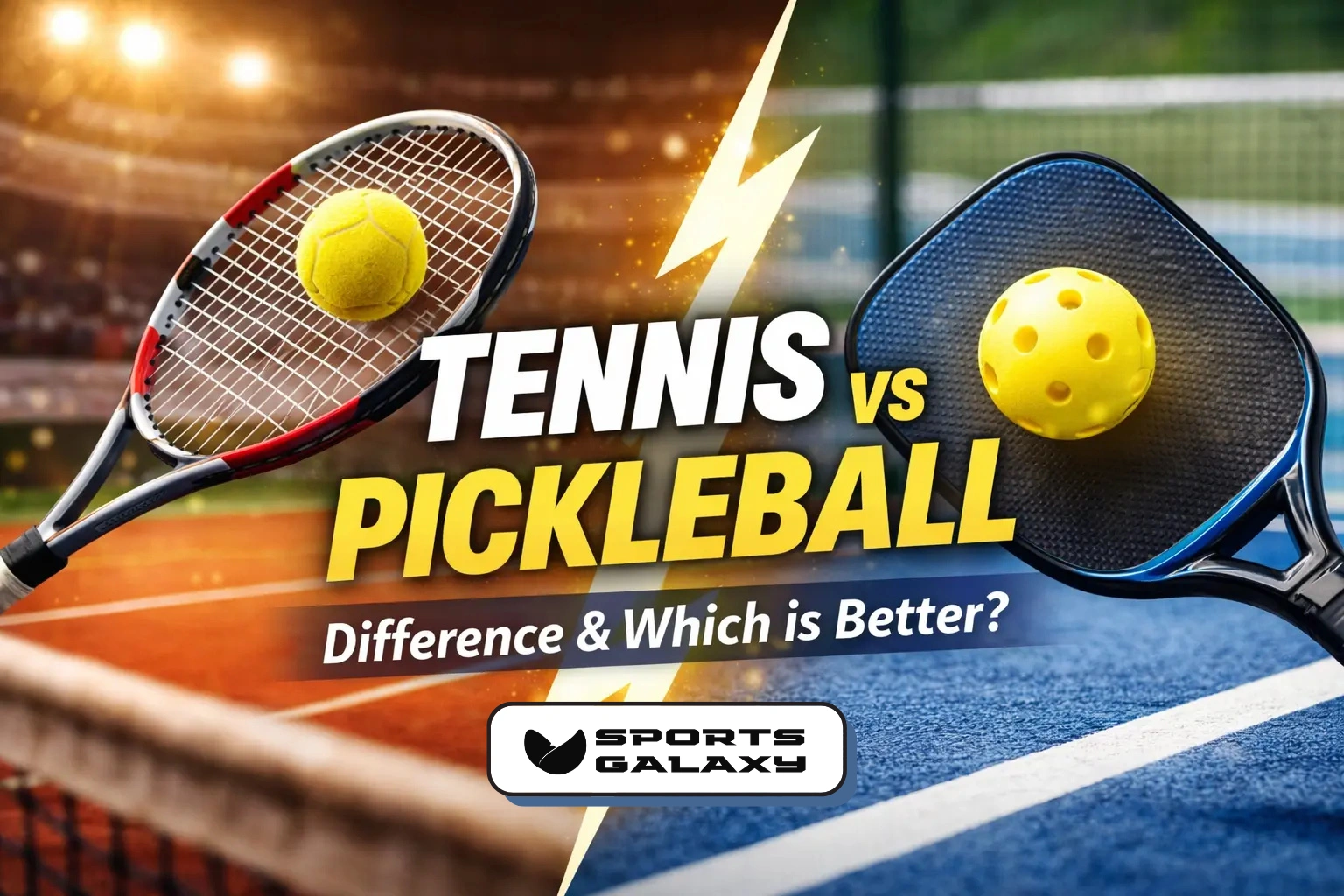
Walk into any sports club in Gurugram, Mumbai, or Bengaluru today and you will see something that did not exist three years ago — pickleball courts filled with players of all ages right next to tennis courts that have been running for decades. India's racket sports scene is splitting into two camps, and the question everyone is asking is the same: tennis vs pickleball — which one should I play?
The answer is not as simple as picking the "easier" or "cheaper" sport. Tennis offers deep tactical complexity, high-intensity fitness, and a global competitive ecosystem with Grand Slams and ATP rankings. Pickleball offers instant fun, social doubles play, a low barrier to entry, and the momentum of being India's fastest-growing sport. Both are legitimate, rewarding racket sports — but they suit very different players.
This guide breaks down every factor that matters for Indian players: how the two sports actually differ in rules and gameplay, what equipment you need and how much it costs in rupees, where you can find courts in your city, which sport gives you a better workout, and ultimately — which one fits your lifestyle better. By the end, you will know exactly which sport deserves your time and money.
WHAT IS TENNIS — THE SPORT THAT BUILT INDIAN RACKET CULTURE
Tennis is one of the oldest and most prestigious racket sports in the world, played professionally across four Grand Slam tournaments — the Australian Open, French Open, Wimbledon, and US Open. In India, tennis has a rich tradition through legends like Leander Paes, Mahesh Bhupathi, and Sania Mirza, with established academies and clubs in Chennai, Hyderabad, Delhi, Mumbai, and Bengaluru.
The sport is played on a large court (78 ft × 36 ft for doubles) with a strung racket weighing between 270–320g. Players serve overhand — a skill that takes weeks or months to develop consistently — and rally using topspin, slice, volleys, and drop shots. Matches follow the unique 15-30-40-game-set-match scoring format and can last anywhere from 60 minutes to over three hours in competitive play.
Tennis demands serious physical fitness: full-court sprints, lateral movement, explosive serves, and sustained endurance over long matches. The learning curve is steep — most beginners need several months of coaching before they can sustain a proper rally. But the payoff is a deeply satisfying, lifelong sport that rewards technique, footwork, and tactical intelligence at every level.
WHAT IS PICKLEBALL — WHY INDIA IS GOING CRAZY FOR IT
Pickleball was invented in 1965 on Bainbridge Island, Washington, as a backyard family game combining elements of tennis, badminton, and table tennis. For decades it remained a niche recreational activity — until the COVID-19 pandemic sparked a global explosion in participation. By 2026, pickleball has become the fastest-growing sport in both the United States and India.
The sport is played on a compact 44×20 ft court — the same dimensions as a badminton doubles court — using a solid paddle and a lightweight perforated polymer ball. The serve is underhand, the ball travels slower and bounces lower than a tennis ball, and a unique "kitchen" rule (a no-volley zone extending 7 feet from the net on both sides) adds a strategic layer that rewards touch and placement over raw power.
India's pickleball growth has been extraordinary. According to the India Brand Equity Foundation (IBEF), the country now has over 1,200 dedicated pickleball courts — up from just 200 in early 2024. Active players number over 60,000, with casual participants pushing the total beyond 100,000. India hosted the World Pickleball Championship twice — Mumbai in 2024 and Bengaluru in 2025 — and professional leagues like IPBL and WPBL are driving mainstream adoption. The All India Pickleball Association (AIPA) projects one million active players by 2028.
📈 Growth Context
India's pickleball courts grew 6x in just 18 months. Housing societies, corporate campuses, and schools are converting existing badminton and tennis courts into pickleball courts — because one tennis court can fit four pickleball courts. This space efficiency is driving rapid adoption in land-scarce Indian cities.
HOW TENNIS AND PICKLEBALL ACTUALLY DIFFER — RULES AND GAMEPLAY
Both sports involve hitting a ball over a net on a rectangular court — but that is where the similarities end. The tennis vs pickleball rule differences are fundamental: they create completely different gameplay experiences, pacing, and skill requirements. Understanding these differences is the first step in deciding which sport suits you better.
Serving
Tennis: The serve is overhand and often the most powerful stroke in the game. Professional players serve at speeds exceeding 200 km/h. A consistent, effective serve takes weeks of practice and coaching to develop. Two chances per point — first serve and second serve — with double faults penalizing the server. For beginners, the serve is often the biggest frustration in learning tennis.
Pickleball: The serve must be underhand — contact must happen below the waist. This makes the serve accessible to absolute beginners from their very first session. There is only one serve attempt per point. The serve in pickleball starts the rally; it is not a weapon to win points outright. Most new players can serve successfully within minutes of picking up a paddle.
The Double Bounce Rule
Tennis: No double bounce rule exists. Players can volley (hit the ball out of the air) at any time from anywhere on the court. After the serve lands in the service box and is returned, all shots can be taken on the fly or after a bounce — the player decides.
Pickleball: After the serve, the receiving team must let the ball bounce before returning it. Then the serving team must also let the return bounce before playing it. Only after both bounces have occurred can players volley. This rule extends rallies, gives beginners more reaction time, and prevents aggressive serve-and-volley strategies from shortening points.
The Kitchen (No-Volley Zone)
Tennis: No volley restrictions exist anywhere on the court. Players regularly approach the net and hit volleys — serve-and-volley is a classic tennis strategy. The net area is often where points are won decisively.
Pickleball: A 7-foot zone on each side of the net — called the "kitchen" — prohibits volleying. Players cannot step into this zone and hit the ball out of the air. This single rule transforms pickleball strategy completely: it prevents net dominance through smashes and rewards soft "dink" shots, patience, and precise placement. The kitchen is what makes pickleball tactically unique.
Scoring
Tennis: Uses a complex scoring format: 15-30-40-game-set-match, with deuce rules, advantages, and tiebreakers. Beginners often find this confusing initially. A match consists of best-of-three or best-of-five sets, with each set requiring six games to win. Matches can last 60 minutes to over three hours.
Pickleball: Games are played to 11 points, win by 2. Only the serving team can score. A match is best-of-three games and typically finishes in 30–45 minutes. The scoring is straightforward — points count as 1, 2, 3 without the tennis-style jump to 15, 30, 40. New players understand pickleball scoring within their first game.
PHYSICAL DEMANDS AND FITNESS BENEFITS — TENNIS VS PICKLEBALL
Both sports deliver excellent cardiovascular exercise, but the intensity profile differs significantly. The tennis vs pickleball fitness comparison comes down to intensity versus consistency — and your choice should factor in your current fitness level, age, and workout goals.
Tennis — High-Intensity Full-Body Workout
Tennis demands sustained endurance, explosive sprinting, and full-body coordination. A typical 90-minute match involves covering 3–5 km of court distance with constant lateral movement, lunges, and overhead swings. Players reach higher peak heart rates — averaging 150+ bpm during competitive rallies — and burn roughly 400–600 calories per hour. Tennis is ideal for players seeking maximum cardiovascular intensity and full-body strength development. However, the high-impact movement places significant stress on knees, ankles, shoulders, and elbows over time.
Pickleball — Moderate, Sustained Activity
Pickleball provides a moderate cardiovascular workout with less impact on joints. The smaller court reduces running distance, the lighter paddle reduces arm strain, and the underhand serve eliminates shoulder stress. Pickleball burns roughly 250–400 calories per hour. However, sessions tend to be longer — players often play continuously for 60–90 minutes across multiple short games. The sport emphasizes quick reflexes, hand-eye coordination, and lateral agility rather than raw endurance. Pickleball is particularly well-suited for older adults, players managing joint concerns, and anyone who wants consistent moderate exercise without excessive physical strain.
Which Sport Keeps You More Consistent?
Here is a truth that fitness experts emphasize — and it matters in the tennis vs pickleball fitness debate: the best workout is the one you actually do regularly. Tennis burns more calories per hour, but its steep learning curve and physical demands mean many beginners quit within the first few months. Pickleball's accessibility means players are more likely to show up three times a week and stay active long-term. For weight management and cardiovascular health, consistency matters more than intensity — and pickleball's lower barrier keeps people playing longer.
COURT AVAILABILITY IN INDIA — WHERE TO PLAY IN 2026
Court access is a practical factor that determines which sport you can actually play regularly. When comparing tennis vs pickleball court availability in India, the situation has changed dramatically in the past two years.
Tennis Courts
Tennis has been established in India for decades. Most major cities have multiple clubs, academy courts, and public municipal courts. Cities like Chennai (home to the Chennai Open ATP event), Hyderabad, Delhi, Mumbai, Bengaluru, and Pune have well-maintained tennis infrastructure. However, tennis court access often requires club memberships (₹10,000–₹50,000+ annually at private clubs) or hourly booking fees. Public courts exist but availability during peak hours is limited.
Pickleball Courts
Pickleball courts are multiplying across India at an unprecedented rate. The country went from approximately 200 courts in early 2024 to over 1,200 by 2026, with 3–4 new courts opening every week. Mumbai, Bengaluru, Delhi NCR, Pune, Hyderabad, Ahmedabad, and Chennai are the leading cities. Housing societies, corporate campuses, schools, and community centers are converting existing badminton or tennis courts into pickleball courts with minimal investment. Many residential complexes now offer free pickleball court access to residents — making it the most accessible racket sport for urban Indian families.
A key space advantage: one standard tennis court can accommodate four pickleball courts. This efficiency is why builders and developers across India are incorporating pickleball courts into new residential projects. Booking platforms like KheloMore have reported a 6–7x increase in pickleball court listings over the past year.
🏙️ City Quick Guide
Mumbai: 500+ pickleball courts, strong tennis club network. Bengaluru: Fastest-growing pickleball scene, tech community driving adoption. Delhi NCR: Established tennis academies in Delhi, rapidly expanding pickleball in Gurugram and Noida. Pune: Early pickleball adopter with active club community. Hyderabad & Chennai: Strong racket sport tradition transitioning naturally into pickleball.
EQUIPMENT BREAKDOWN — WHAT YOU NEED FOR EACH SPORT
Now that you understand how both sports play, the next question is practical: what do you need to buy, and how much will it cost? The tennis vs pickleball equipment difference is not just about racket versus paddle — it also affects your ongoing maintenance costs and long-term investment.
Tennis Equipment
A tennis player needs a racket (strung, 270–320g), tennis balls, proper non-marking court shoes, and ideally an overgrip for sweat management in Indian heat. Tennis rackets require periodic restringing every 2–6 months depending on play frequency — an ongoing cost that pickleball does not have. Tennis balls are pressurized and lose bounce after a few sessions, requiring regular replacement.
Pickleball Equipment
A pickleball player needs a paddle (solid, no strings, 200–240g), pickleball balls, and court shoes — though existing tennis or badminton shoes work perfectly. Pickleball paddles require zero maintenance: no strings, no restringing costs, no tension adjustments. Balls wear out eventually but are inexpensive to replace. The total ongoing cost of playing pickleball is significantly lower than tennis.
COST COMPARISON — TENNIS VS PICKLEBALL IN INDIA (₹)
Here is a realistic, rupee-by-rupee tennis vs pickleball cost comparison for Indian players — covering initial investment, monthly expenses, and annual totals.
| Cost Category | Tennis 🎾 | Pickleball 🏓 |
|---|---|---|
| Beginner Racket / Paddle | ₹2,500 – ₹10,000 | ₹5,000 – ₹7,000 |
| Balls (per purchase) | ₹400 – ₹800 (can of 3) | ₹700 (pack of 3) |
| Court Shoes | ₹3,000 – ₹8,000 | ₹0 (use existing shoes) |
| Overgrip | ₹200 – ₹500 | ₹200 – ₹500 |
| Total Starter Kit | ₹5,000 – ₹15,000 | ₹3,000 – ₹8,000 |
| Restringing (annual) | ₹2,000 – ₹6,000 | ₹0 (no strings) |
| Ball Replacement (annual) | ₹3,000 – ₹6,000 | ₹1,500 – ₹3,000 |
| Court Fees (monthly avg) | ₹1,000 – ₹5,000 | ₹0 – ₹3,000 |
| Coaching (per session) | ₹500 – ₹2,000 | ₹500 – ₹800 |
| Est. Annual Cost (regular play) | ₹20,000 – ₹60,000+ | ₹8,000 – ₹25,000 |
Pickleball is roughly 40–60% cheaper than tennis on an annual basis. The absence of restringing costs, the ability to use existing sports shoes, and lower or free court fees make the difference substantial — especially for families or groups starting together. However, if you already have access to a tennis club, the marginal cost of continuing tennis drops significantly.
BEST STARTER TENNIS RACKETS — FOR NEW PLAYERS IN INDIA
If tennis appeals to you after reading this far, here are the best beginner-friendly tennis rackets at Sports Galaxy. These rackets offer forgiving sweet spots, manageable weight, and genuine brand quality at accessible price points.
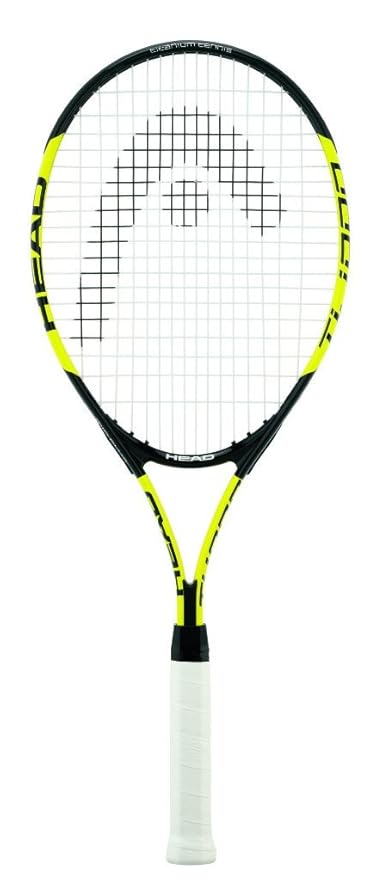
Budget Starter
HEAD Ti 1000 Tennis Racket (280g)
HEAD's most affordable entry-level racket. Lightweight titanium construction with a large head for maximum forgiveness. Perfect first racket for adults starting tennis.
Best Beginner All-Rounder
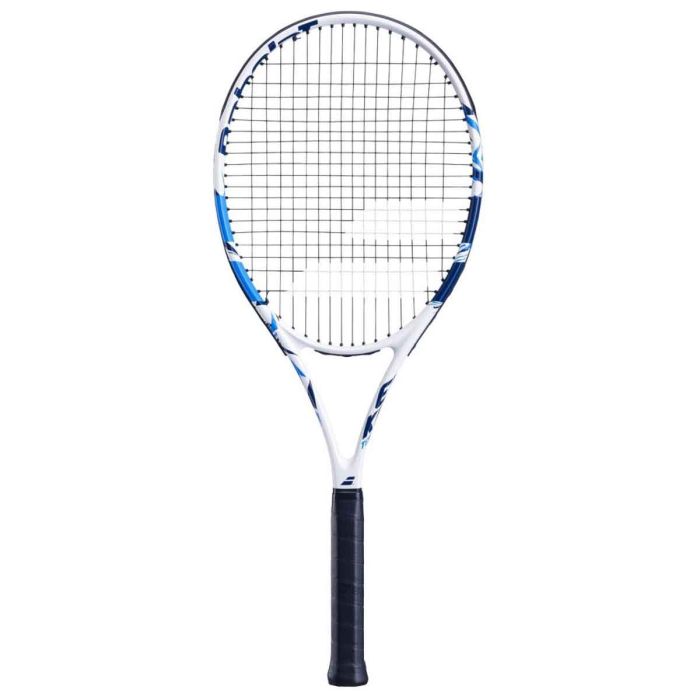
Babolat Evoke Team Tennis Racket (270g)
Babolat quality at an accessible price. Balanced weight distribution helps beginners develop proper stroke mechanics from day one.
Step-Up Racket
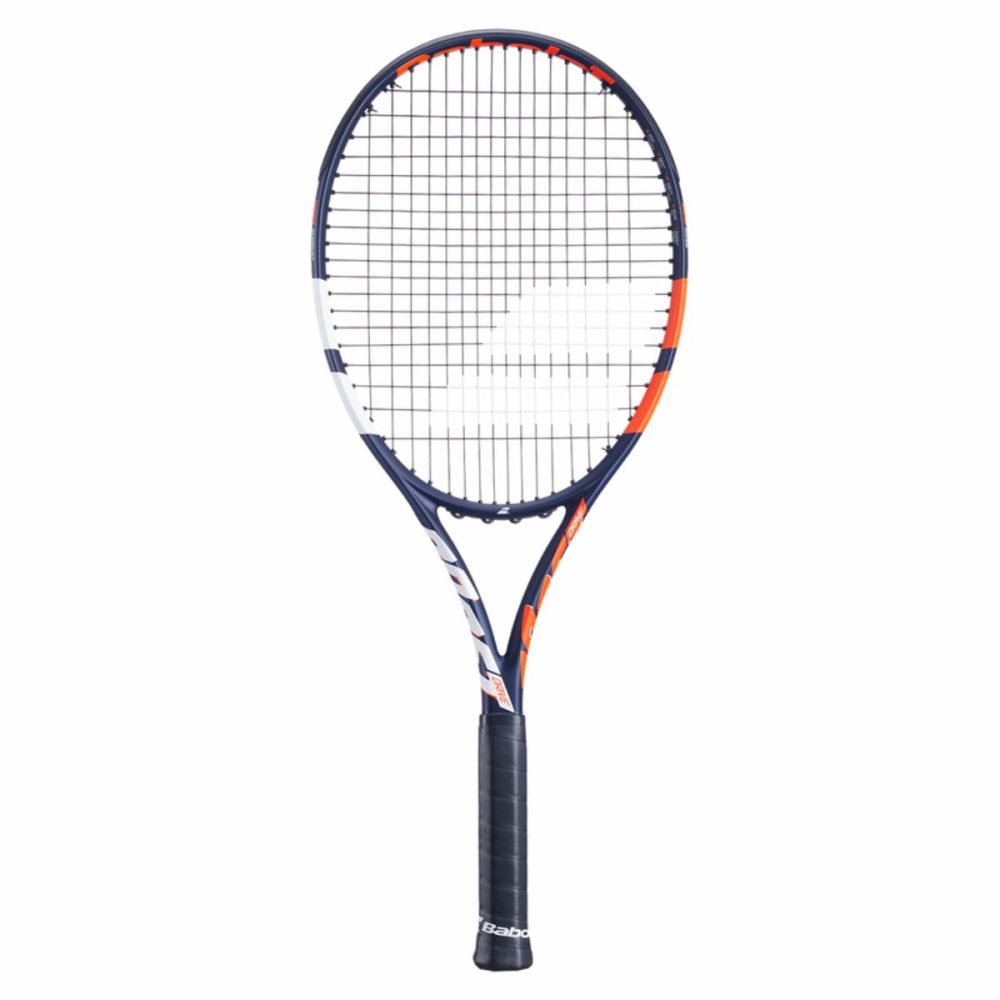
Babolat Boost Drive Tennis Racket (260g)
Based on the legendary Pure Drive design. Lighter weight with Babolat's power-oriented frame geometry. Ideal for players ready to develop topspin.
For the complete range of tennis rackets across Babolat, HEAD, Wilson, and Yonex — from junior rackets to professional models — browse the full Tennis Rackets collection at Sports Galaxy.

Essential Accessory
Wilson Titanium Tennis Balls – 4 Cans (12 Balls)
Wilson's all-court tennis ball with Dura-Last felt for extended durability. Titanium core for consistent bounce. The most affordable quality tennis ball pack at Sports Galaxy.
For the complete range of tennis balls across Wilson, Dunlop, HEAD, Tecnifibre, Slazenger, and Yonex — browse the full Tennis Balls collection at Sports Galaxy.
BEST STARTER PICKLEBALL PADDLES — FOR NEW PLAYERS IN INDIA
If pickleball sounds more like your game, here are the best beginner-friendly pickleball paddles at Sports Galaxy. These paddles offer genuine brand engineering, forgiving sweet spots, and quality construction at entry-level prices.
Best Value Starter
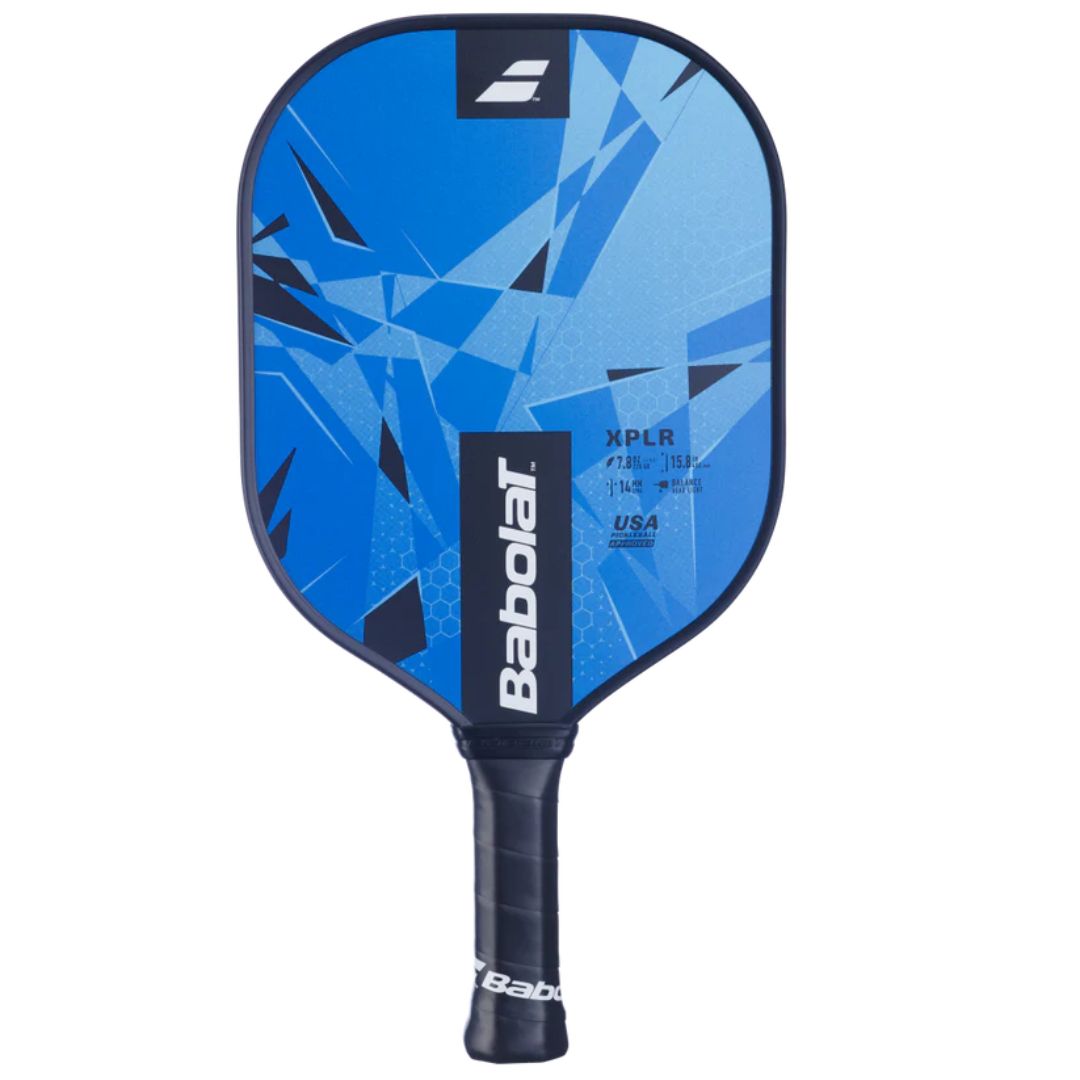
Babolat XPLR Pickleball Paddle (220g)
Babolat's entry-level pickleball paddle with polymer honeycomb core. Lightweight control-oriented design perfect for first-time players.
Beginner All-Rounder
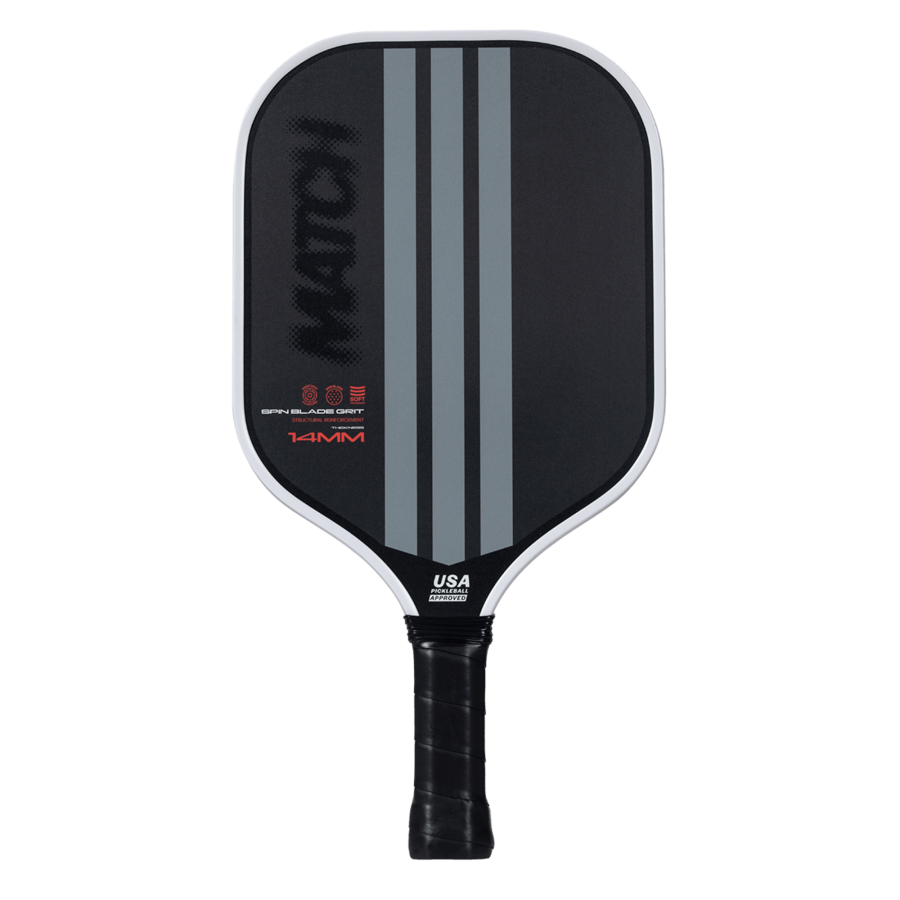
Adidas Match 2025 Pickleball Paddle (221–232g)
Adidas quality at an entry-level price. Fiberglass surface provides a forgiving sweet spot — essential for developing consistent contact.

Essential Accessory
Franklin X-40 Pickleball Ball (Pack of 3)
The official outdoor pickleball ball used in major tournaments worldwide. Durable polymer construction for hard court surfaces.
For the complete range of pickleball paddles across Adidas, Wilson, Babolat, HEAD, and Gamma — browse the full Pickleball collection at Sports Galaxy. For in-depth reviews of every paddle, read our Best Pickleball Paddles in India 2026 guide.
💡 Same Brands, Both Sports
Adidas, Wilson, Babolat, and HEAD all manufacture both tennis rackets and pickleball paddles. If you already trust a brand from one sport, their equipment in the other sport carries the same engineering DNA. Sports Galaxy stocks both product lines from all four brands — making it easy to explore either sport without switching brands.
CAN YOU PLAY BOTH — TRANSITIONING BETWEEN TENNIS AND PICKLEBALL
Here is a secret that experienced racket sport players know: the tennis vs pickleball debate does not have to be an either-or decision. The two sports complement each other, and many Indian players are now playing both.
Tennis Players Moving to Pickleball
Tennis players typically adapt to pickleball within 2–3 sessions. Hand-eye coordination, net awareness, and volley technique transfer directly. The main adjustments: unlearning the powerful overhand serve, developing soft "dink" shots for the kitchen, and accepting that raw power is less effective than placement. Tennis players who learn to slow down and play strategically often dominate pickleball quickly.
Pickleball Players Moving to Tennis
Transitioning from pickleball to tennis is harder. The larger court demands significantly more movement and endurance. The overhand serve is a completely new skill requiring months of practice. Tennis balls travel faster and bounce higher, requiring different timing. However, pickleball develops excellent hand speed and net reflexes that translate well to tennis doubles play — experienced pickleball players often develop surprisingly effective drop shots and angles when they pick up tennis.
The Best Strategy: Play Both
Use tennis for high-intensity competitive training and singles play. Use pickleball for social doubles sessions, active recovery days, and family recreation. Many Indian clubs now offer both sports at the same facility. The brands are the same (Adidas, Wilson, Babolat, HEAD), the fitness benefits overlap, and Indian cities now have courts for both — you just need the right equipment for each.
TENNIS VS PICKLEBALL — WHICH SPORT IS RIGHT FOR YOU?
You have read about the rules, the equipment, the costs, and the court availability. Now here is the decision framework to settle the tennis vs pickleball question for your specific situation. Use this table to match your personal priorities to the sport that fits best.
| Choose Tennis If... | Choose Pickleball If... |
|---|---|
| You enjoy intense physical competition | You want instant fun from your first session |
| You are willing to invest months learning technique | You prefer a sport you can enjoy in one session |
| You prefer singles competition | You enjoy social doubles with friends and family |
| You have access to tennis courts and coaching | Your housing society has a convertible court |
| You want maximum cardiovascular intensity | You want moderate exercise with less joint impact |
| You are under 40 and physically active | You are any age — from 8 to 80 |
| You appreciate complex technique and tactics | You value quick games and social interaction |
| You follow Grand Slams and professional tennis | You are curious about India's fastest-growing sport |
| You have ₹15,000+ annual budget for sport | You want to start under ₹8,000 total investment |
FREQUENTLY ASKED QUESTIONS
Is pickleball easier than tennis for beginners?
Can I use a tennis racket for pickleball?
Is pickleball cheaper than tennis in India?
Which sport burns more calories — tennis or pickleball?
Can tennis players switch to pickleball easily?
Is pickleball growing faster than tennis in India?
Do Adidas, Wilson, and Babolat make both tennis rackets and pickleball paddles?
Where can I buy tennis and pickleball equipment in India?
FINAL VERDICT — TENNIS VS PICKLEBALL IN INDIA 2026
The tennis vs pickleball question comes down to what you want from a racket sport. Tennis is deep, demanding, and rewarding — it challenges your body, sharpens your technique over years, and connects you to a global competitive ecosystem with Grand Slams, Davis Cup, and professional rankings. Pickleball is accessible, social, and explosive in growth — it gets you playing immediately, keeps you active with moderate effort, and thrives on the community energy that defines Indian sports culture.
For beginners who want instant gratification and social play, start with pickleball. For competitive athletes who enjoy mastering complex skills over years, invest in tennis. For the smartest approach — play both. The brands are the same, the fitness benefits overlap, and Indian cities now offer courts for both sports within the same facilities.
Whatever you choose, invest in quality equipment from the start. A good racket or paddle does not make you a better player overnight, but it removes equipment from being a barrier to your enjoyment. The right starter gear lets you focus on learning the sport rather than fighting your equipment — and that is where the real fun begins.

Tennis or Pickleball — Start Your Journey at Sports Galaxy 🎾🏓
Tennis rackets and pickleball paddles from the same trusted brands — Adidas, Wilson, Babolat, HEAD, Yonex, Gamma. Free shipping on prepaid orders across India.