A practical buying guide from a store that sells every major tennis ball brand in India
2026 UpdateMost tennis courts in India are hard courts. From the acrylic surfaces at Delhi's RK Khanna Tennis Complex to the municipal courts in Pune, the academy courts in Bengaluru, and the club courts in Mumbai — hard courts dominate Indian tennis. And the ball you play with on a hard court affects your game more than most players realize.
A ball designed for clay or indoor play will shed its felt within 30–40 minutes on an abrasive hard court, losing bounce consistency and turning into a fuzzy, slow mess. The best tennis balls for hard courts use thicker, more tightly woven felt that resists surface abrasion while maintaining consistent pressure and bounce characteristics through extended rallies.
At Sports Galaxy, we stock tennis balls from Wilson, HEAD, Dunlop, Tecnifibre, Slazenger, and Yonex — every major brand available in India. We sell these balls to competitive players, weekend warriors, academy coaches ordering by the carton, and beginners buying their first can. This guide is built on that real-world experience, not manufacturer press releases.
We will walk you through which balls perform best on Indian hard courts, which ones offer the best value per session, and which carton deals make sense for coaches and academies. This is your complete guide to finding the best tennis balls for hard courts in India. If you want a quick recommendation before reading the details, here it is.
WHY BALL CHOICE MATTERS ON HARD COURTS
Hard courts are the most demanding surface for tennis balls. The rough, textite or acrylic surface grinds against the felt covering with every bounce, wearing it down faster than clay or grass ever would. A ball that feels crisp out of the can in the morning can turn into a dead, heavy lump by lunch — if you picked the wrong one.
What Happens to a Ball on a Hard Court
Every time a tennis ball strikes a hard court, two things happen simultaneously. The rubber core compresses and rebounds (generating bounce), and the felt covering drags against the surface (generating friction and spin). On hard courts, this friction is significantly higher than on clay or grass.
The felt fibers separate and fluff outward, increasing air resistance. The ball slows down, flies shorter, and becomes harder to control. This is exactly why choosing the best tennis balls for hard courts matters — the wrong ball degrades noticeably within a single session.
The best tennis balls for hard courts combat this with tighter felt weaves and denser fiber construction. Premium balls use woven felt (as opposed to needle-punch felt) that holds together longer under abrasion. The rubber core matters equally — higher-quality cores maintain internal pressure more consistently, keeping the bounce height predictable across multiple sessions.
Indian Hard Courts Are Especially Tough on Balls
Indian hard courts tend to run rougher than the cushioned surfaces you see at Grand Slam venues. Many municipal and club courts in cities like Jaipur, Hyderabad, Kolkata, and Chennai use textured acrylic coatings that are grippier (and more abrasive) than international tournament surfaces.
Add India's summer heat — which accelerates internal pressure loss — and you have conditions that shorten ball lifespan significantly. Finding the best tennis balls for hard courts suited to Indian conditions is not a luxury; it directly impacts how long your purchase lasts and how consistently you can practice.
Pro Tip
Store unopened tennis ball cans in a cool, dry place — not in your car boot or a hot storage room. Pressurized balls lose internal pressure faster in high temperatures. In Indian summers, a can left in a car for a week can lose noticeable bounce before you even open it.
HOW TO READ A TENNIS BALL LABEL
Tennis ball packaging includes specific terms that tell you exactly what you are buying. Understanding these terms helps you avoid wasting money on the wrong ball for your court surface. Here is what to look for.
Pressurized vs Pressureless
Every ball listed in this guide is pressurized — meaning the rubber core is filled with gas (typically nitrogen) at roughly 14 psi. This internal pressure creates the lively bounce that makes tennis feel like tennis. Pressurized balls play best when fresh and gradually lose bounce over weeks as gas seeps through the rubber walls.
Pressureless balls (solid rubber core) never go flat but feel heavier and stiffer — they are used mainly in ball machines and coaching baskets, not for match play. All the best tennis balls for hard courts recommended in this guide are pressurized.
Extra Duty vs Regular Duty vs All-Court
Extra duty balls use a thicker, more loosely woven felt designed specifically for hard courts. The extra felt thickness absorbs surface abrasion without the ball losing its shape quickly. Regular duty balls have a thinner, tighter felt better suited for clay and indoor surfaces — they pick up less clay dust but wear out fast on hard courts.
All-court balls aim for a middle ground and perform reasonably well across surfaces. Most premium balls sold in India are marketed as all-court, though several perform noticeably better on hard courts due to their felt construction. When searching for the best tennis balls for hard courts, look for extra duty or all-court labels.
ITF Approval
The International Tennis Federation (ITF) tests and approves balls for competitive play based on weight (56–59.4 grams), diameter (6.54–6.86 cm), bounce height, and deformation characteristics. All tournament-grade balls sold at Sports Galaxy carry ITF approval. For club matches and AITA-sanctioned tournaments in India, using ITF-approved balls is mandatory.
Source: ITF Technical — Approved Tennis BallsALL 11 TENNIS BALLS COMPARED AT A GLANCE
Before we dive into individual recommendations, here is a side-by-side comparison of every tennis ball available at Sports Galaxy. Prices shown are for the standard dozen (12 balls) pack — the most popular purchase format for individual players. We have also calculated the per-ball cost so you can compare value across brands.
| Ball | Best For | Price (12 Balls) | Per Ball | Key Feature |
|---|---|---|---|---|
| Wilson Titanium | Budget practice | ₹1,350 | ₹113 | Most affordable pressurized ball |
| Dunlop ATP Championship | Daily training | ₹1,500 | ₹125 | Consistent bounce, good durability |
| Tecnifibre Club | Club play & coaching | ₹1,500 | ₹125 | Excellent pressure retention |
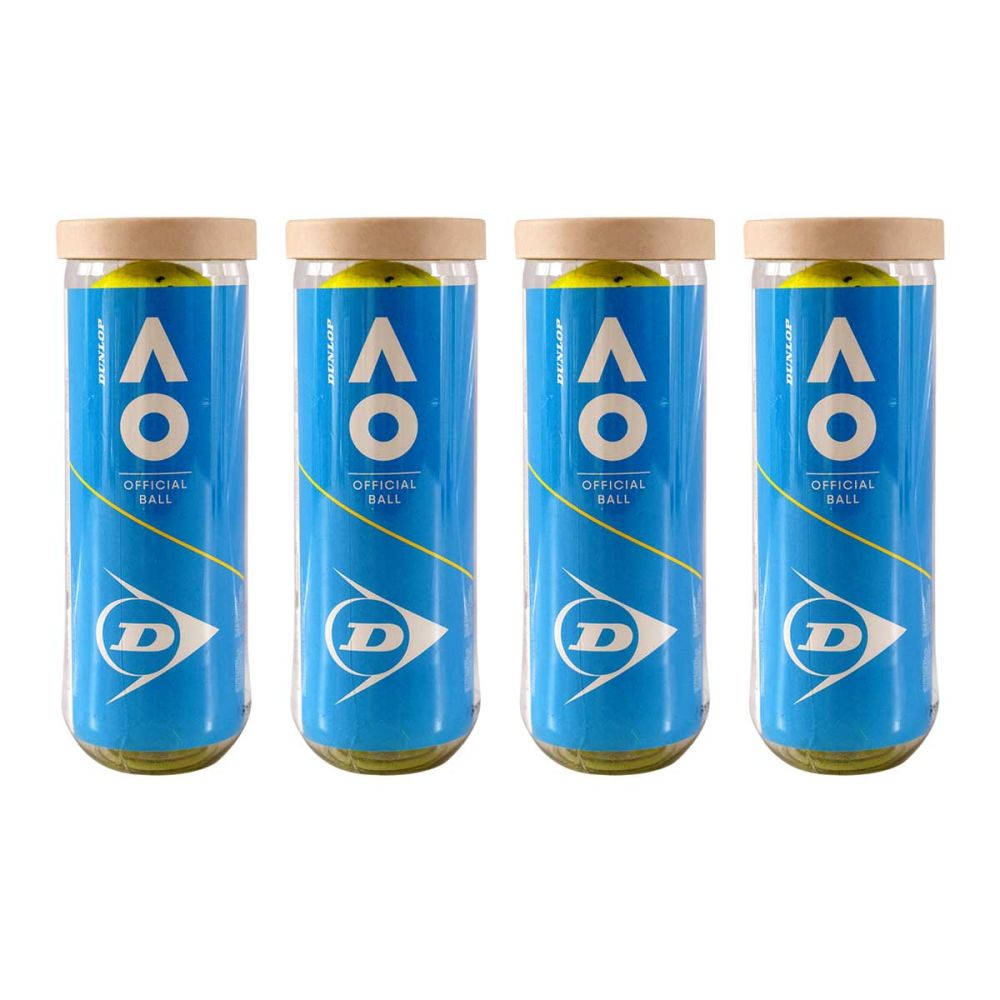
| Dunlop AO | Tournament & competitive | ₹1,699 | ₹142 | Official Australian Open ball, HD Core |
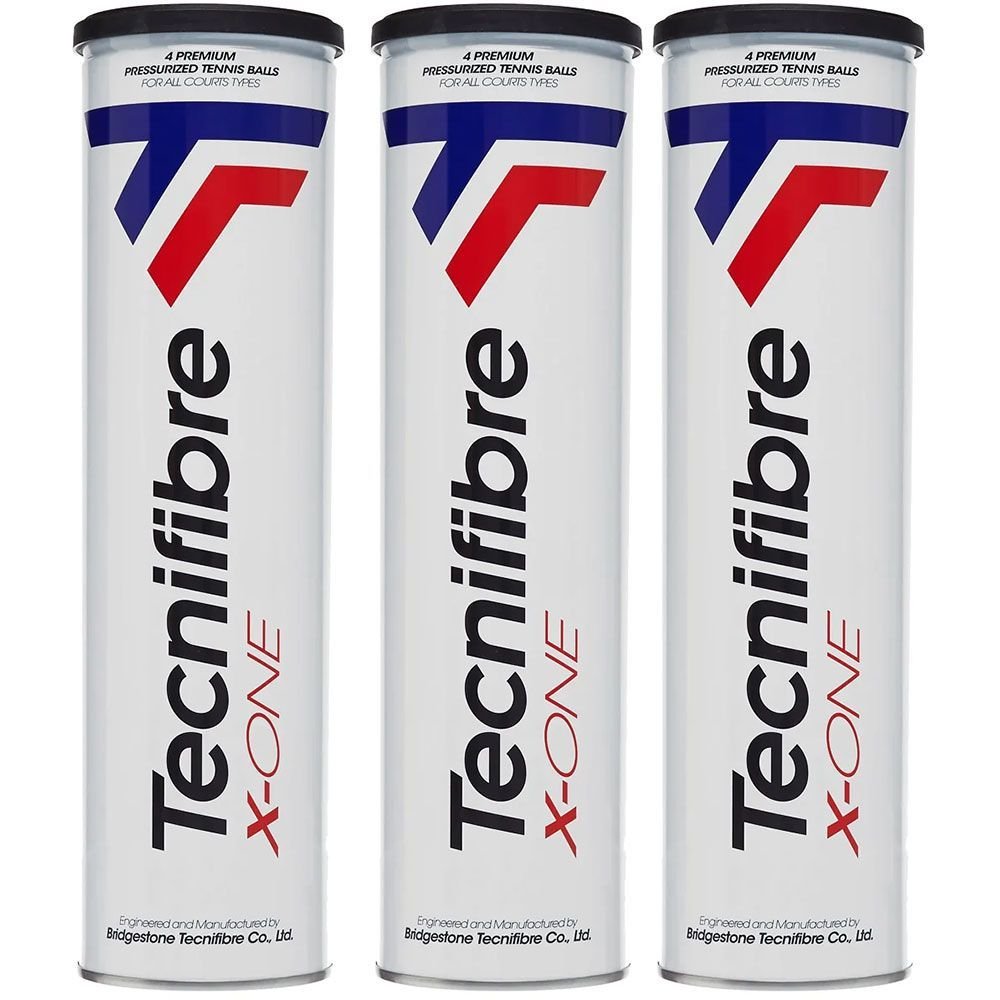
| Tecnifibre X-One | Competitive matches | ₹1,699 | ₹142 | X D-Core, 20% less deformation |
| Yonex Tour Platinum | All-round play | ₹1,699 | ₹142 | Balanced feel, good visibility |
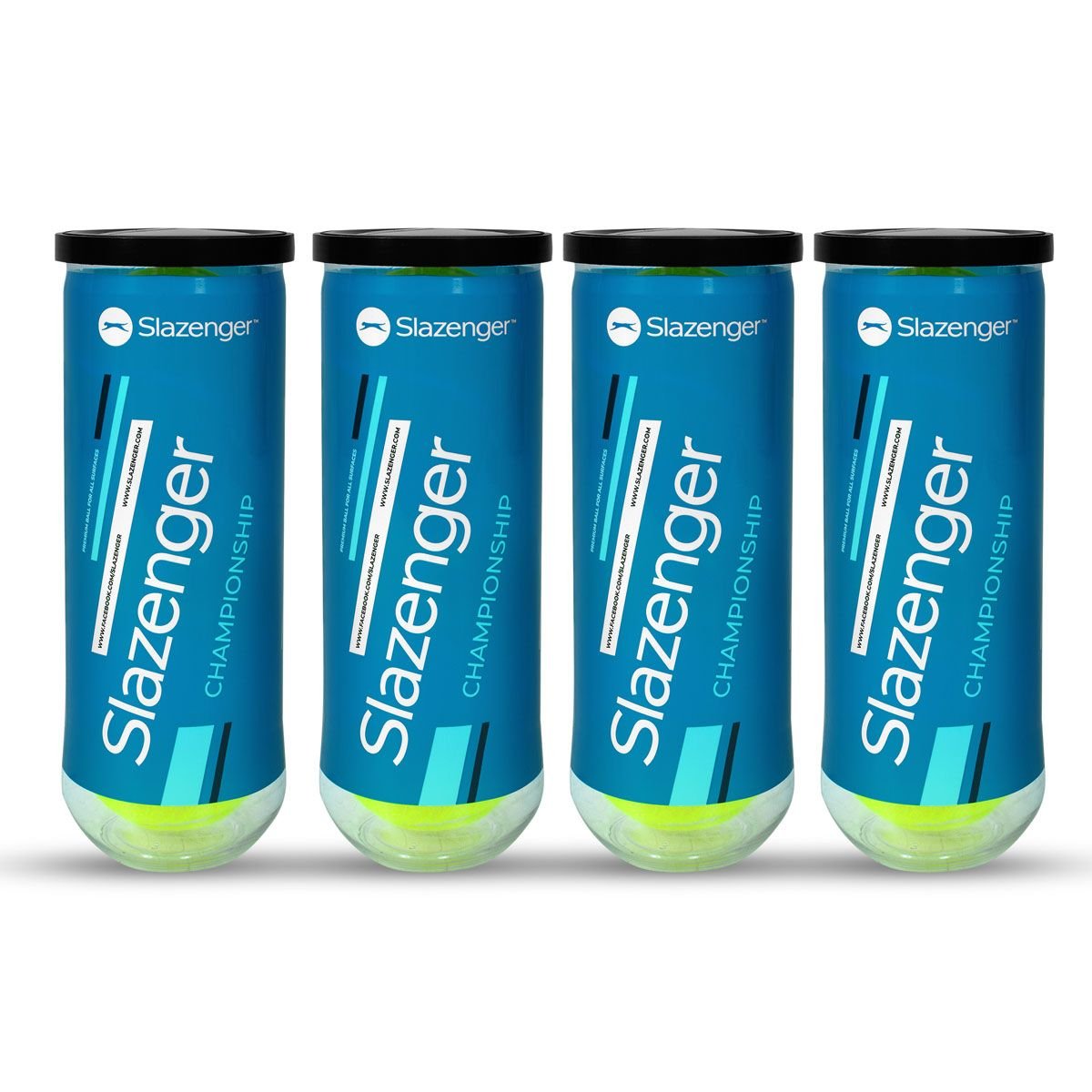
| Slazenger Championship | Club & recreational | ₹1,749 | ₹146 | Trusted heritage brand |
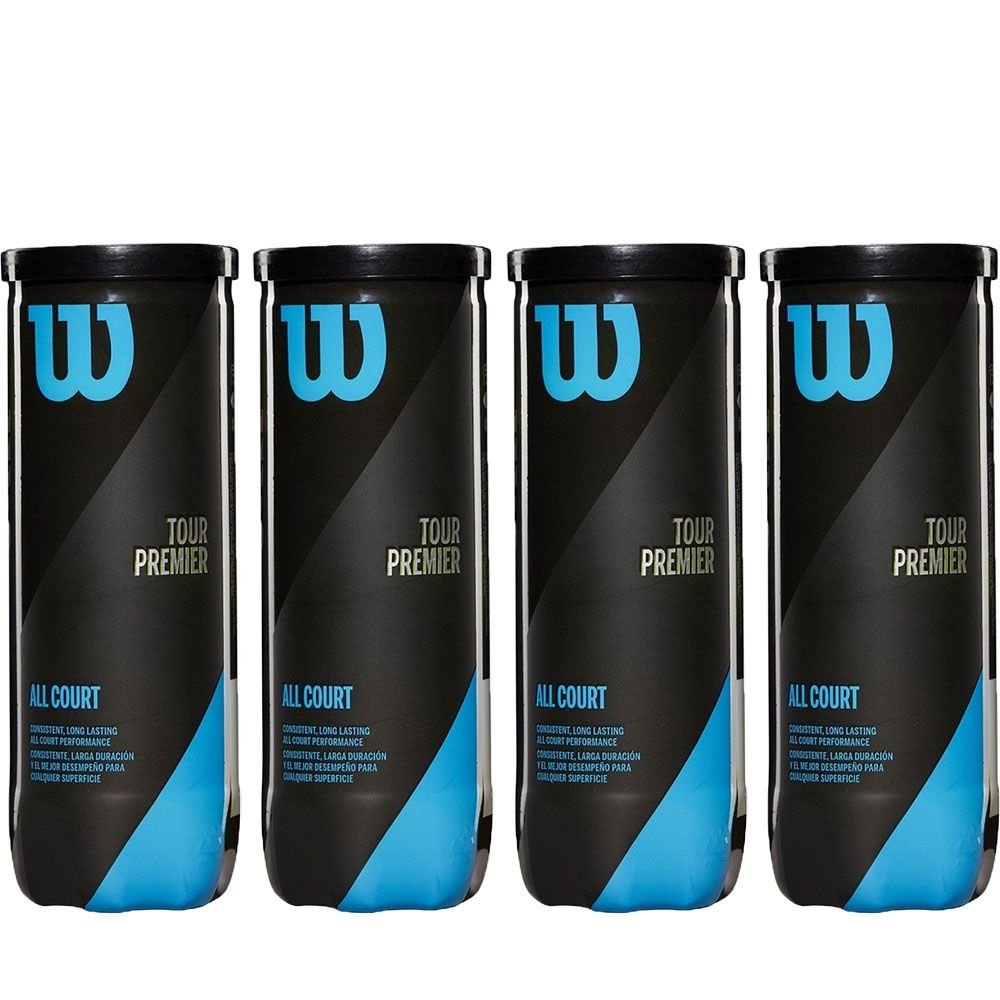
| Wilson Tour Premier | Tournament & match play | ₹1,799 | ₹150 | OptiVis felt, woven fiber |
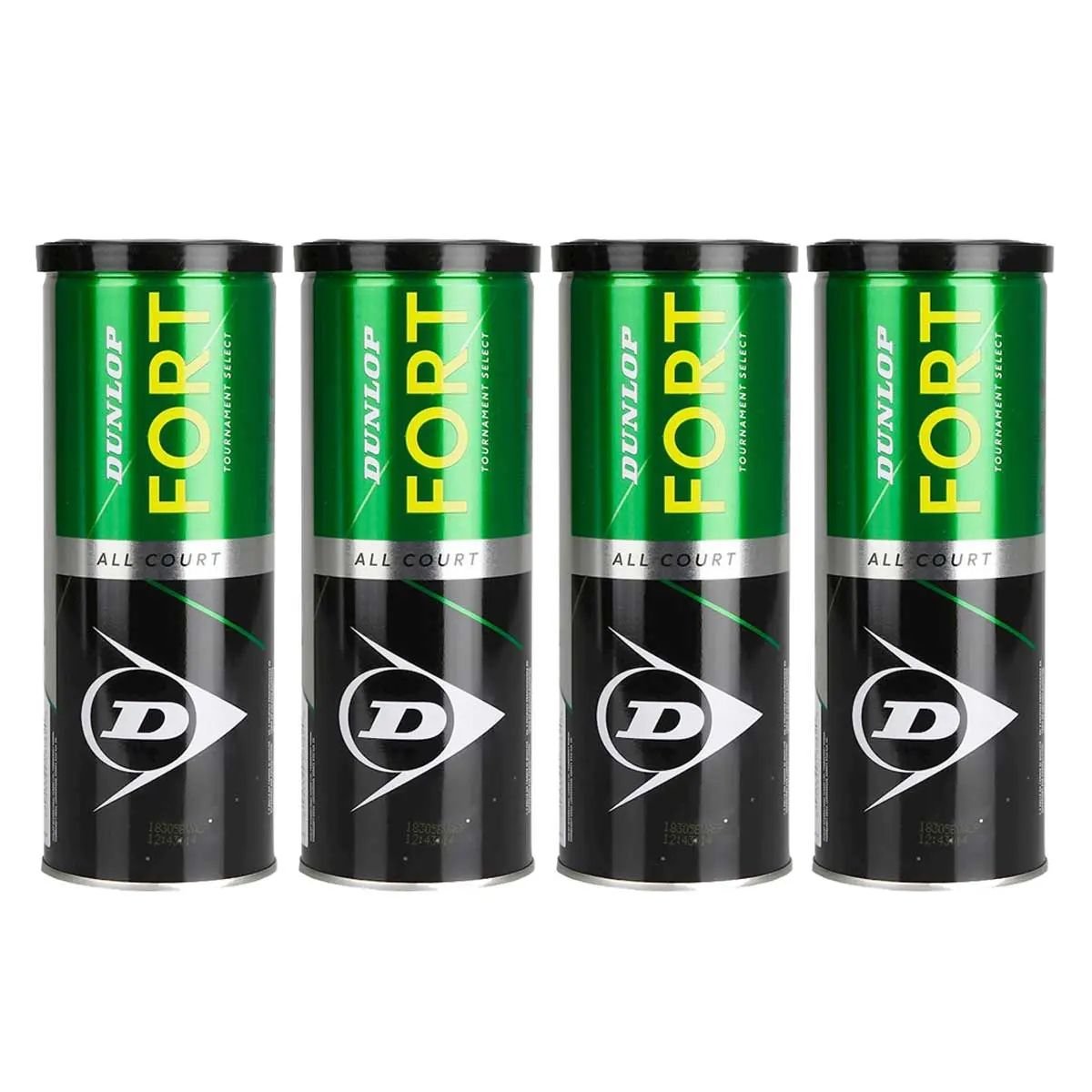
| Dunlop Fort | Premium all-court | ₹1,900 | ₹158 | Iconic durability, legacy ball |
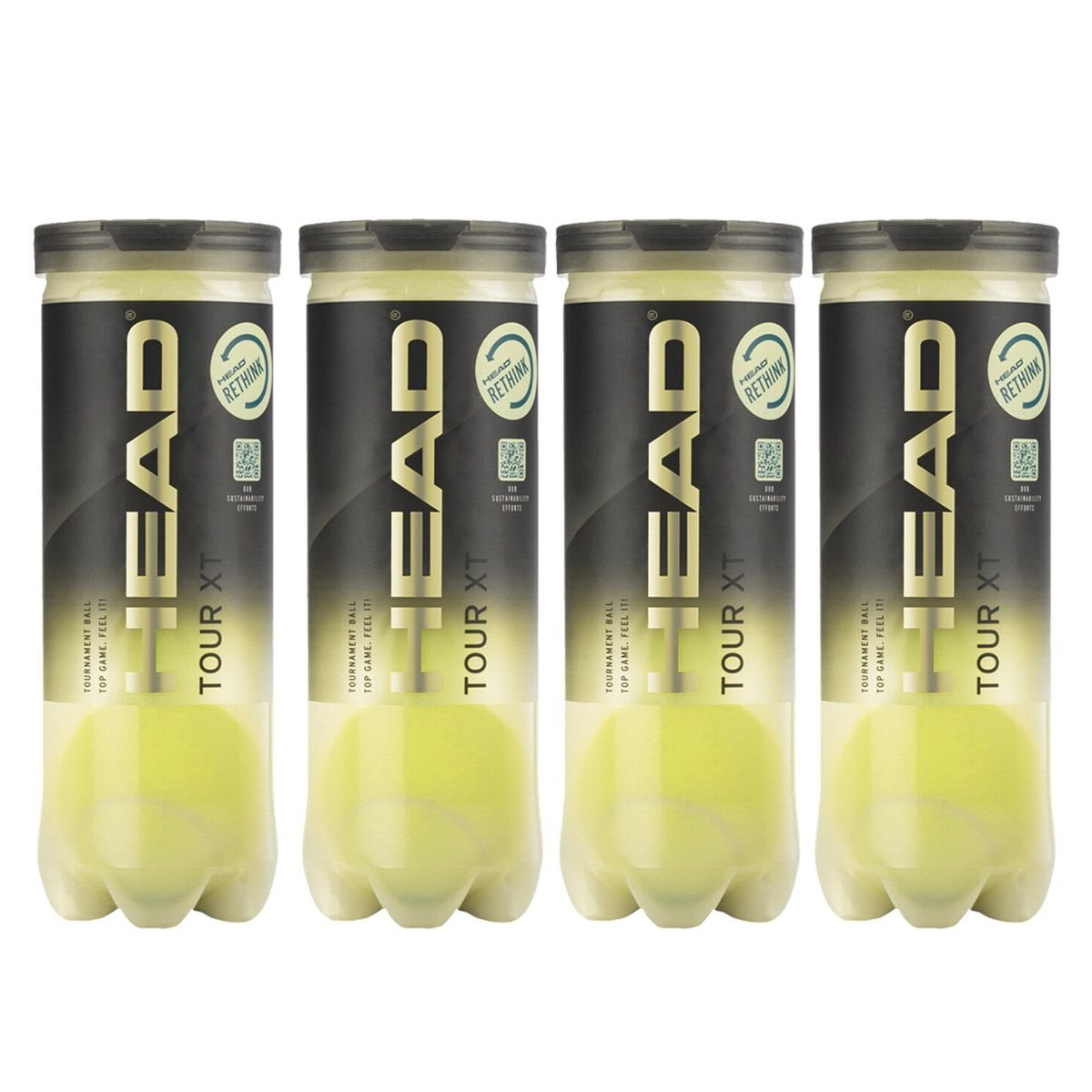
| HEAD Tour XT | Hard court matches | ₹1,970 | ₹164 | Encore Tech, 33% more durability |
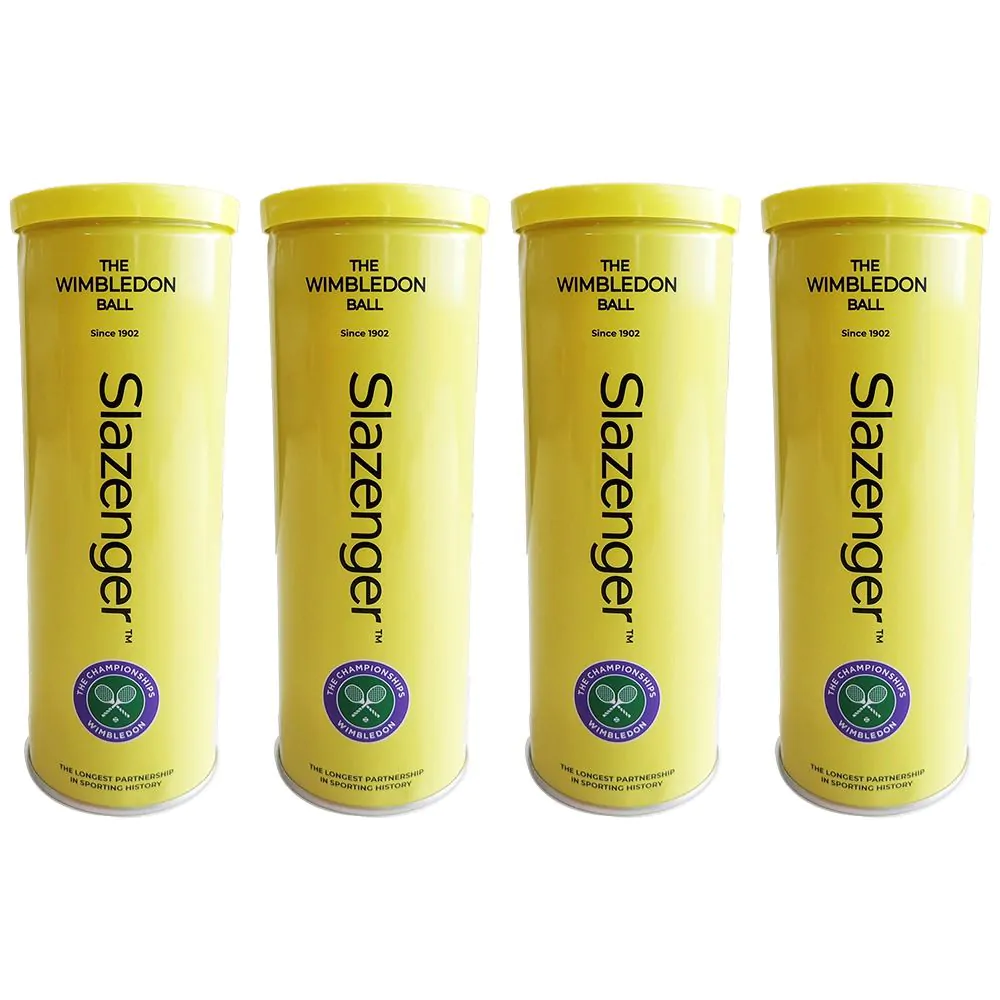
| Slazenger Wimbledon | Premium match play | ₹2,100 | ₹175 | Official Wimbledon ball since 1902 |
The price range across all 11 balls is ₹1,350 to ₹2,100 per dozen — a difference of just ₹750. At the per-ball level, the gap between the cheapest (Wilson Titanium at ₹113) and the most premium (Slazenger Wimbledon at ₹175) is ₹62.
For most players looking for the best tennis balls for hard courts, the difference in durability and playing feel easily justifies stepping up from the budget tier to the mid-range or premium tier.
TECHNOLOGY THAT ACTUALLY MATTERS
Every ball brand has proprietary technology names. Some represent genuine engineering innovations, others are mostly marketing. Here is what each technology actually does on a hard court, stripped of jargon. Understanding these technologies helps you identify the best tennis balls for hard courts based on real performance, not label claims.
Encore Technology
HEAD claims their Encore Technology delivers 33% more durability compared to standard balls. The rubber core composition maintains its shape and internal pressure longer, meaning the ball plays consistently over more games. The HEAD Tour XT was specifically developed for hard courts and hot conditions — both relevant for Indian players.
Smart Optik
A felt treatment that makes the ball roughly 19% more visible on court. On hard courts under harsh Indian sunlight, ball visibility matters more than players think — especially for return of serve and fast-paced rallies. Available on the Tour XT series.
X D-Core
Tecnifibre's core technology reduces ball deformation by 20% during impact. The core retains its original shape for a longer period, maintaining the same bounce signature throughout your session. This means the ball in set three feels like the ball in set one. Featured in the Tecnifibre X-One.
HD Core + HD PRO Cloth
Dunlop's dual technology in the AO ball. HD Core is a refined version of the classic Forte Core, offering improved consistency and durability. HD PRO Cloth is a premium woven felt engineered for high-level play with enhanced visibility across all court surfaces.
OptiVis Felt + Dura-Weave
Wilson's OptiVis technology enhances ball visibility through a brighter yellow felt treatment. Dura-Weave refers to the unique woven felt fiber structure that provides consistent playability across surfaces. The Wilson Tour Premier was built to the same specifications as the Wilson Australian Open ball.
Hydroguard + Ultra VIS
Slazenger's Hydroguard coating repels up to 70% more water than standard balls — valuable during humid Indian conditions and early morning dew sessions. Ultra VIS cloth is 17% brighter than any other ball on the market, according to Slazenger. Both technologies feature in the Wimbledon ball.
PREMIUM TOURNAMENT BALLS — FOR MATCH PLAY AND COMPETITIVE TRAINING
These are the best tennis balls for hard courts when performance and consistency matter most — league matches, AITA tournaments, competitive sparring sessions, and advanced training. Every ball in this section uses woven felt, carries ITF approval, and holds pressure noticeably longer than budget alternatives.
Which Premium Ball Should You Pick?
If you primarily play on hard courts in hot Indian conditions, the HEAD Tour XT is purpose-built for exactly that — it was developed and tested for over two years specifically for hard court and hot-weather performance. The Wilson Tour Premier is the most versatile choice if you play on mixed surfaces.
The Tecnifibre X-One offers the best pressure retention among all the best tennis balls for hard courts — players report 4–6 heavy-hitting sessions before noticeable performance drop. The Dunlop AO gives you genuine Grand Slam ball quality at ₹1,699, making it the best value in the premium tier.
The Slazenger Wimbledon is the most expensive at ₹2,100 but comes with Hydroguard moisture resistance — useful for early morning or monsoon season play. And the Dunlop Fort is the classic choice that has earned its reputation over decades of consistent manufacturing.
TRAINING AND CLUB BALLS — FOR DAILY PRACTICE AND COACHING
If you are a coach running 3–4 hours of court time daily, or a club player hitting twice a week, premium tournament balls become expensive fast. These mid-range balls deliver dependable bounce and good durability at a lower per-session cost. They are the best tennis balls for hard courts when volume matters.
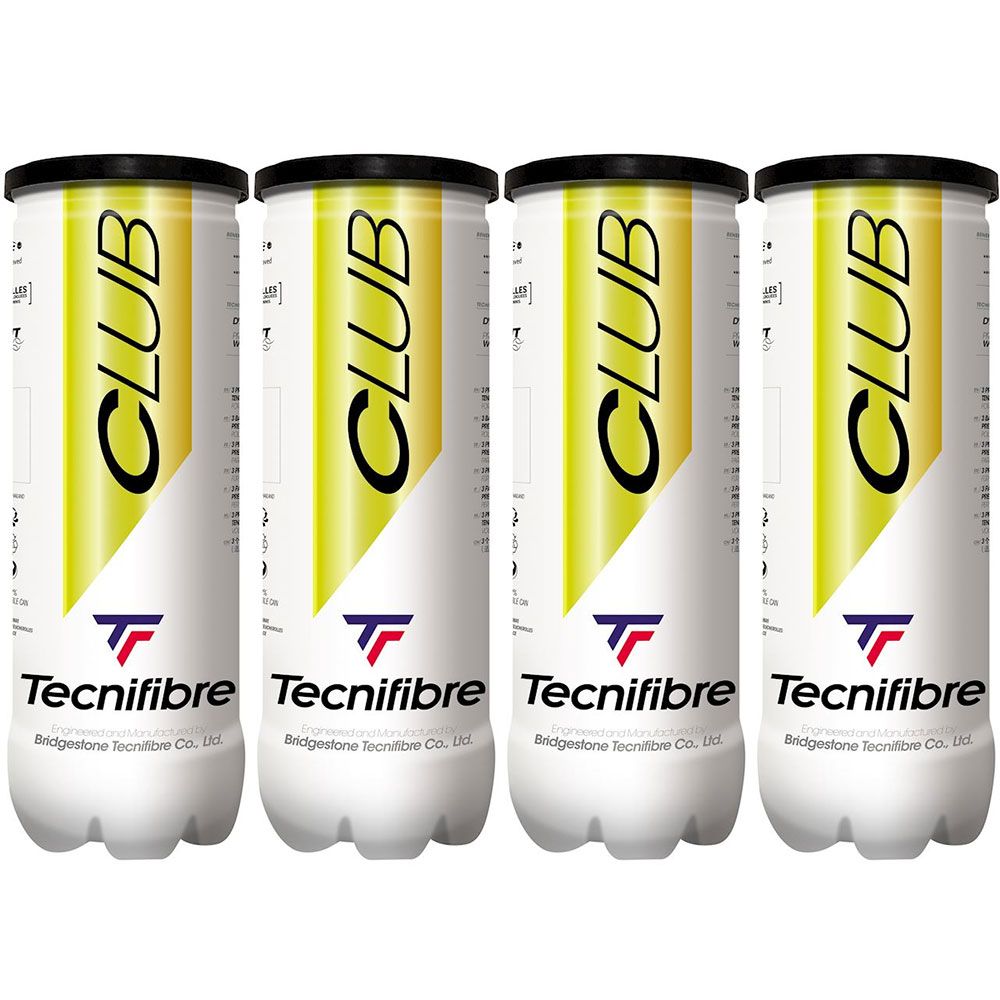
Between the Dunlop ATP Championship and Tecnifibre Club, both priced at ₹1,500 per dozen, it comes down to playing feel. The Dunlop plays slightly livelier out of the can, while the Tecnifibre retains its pressure marginally better over multiple sessions. Both are excellent choices for coaches who go through dozens of balls weekly.
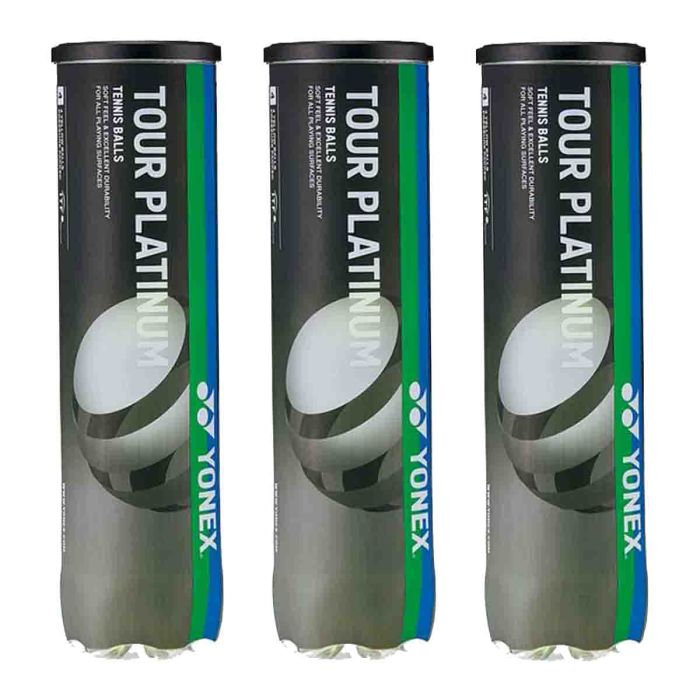
The Yonex Tour Platinum at ₹1,699 is the newest entrant in this segment and offers a balanced playing feel that splits the difference between training-grade and tournament-grade. The Slazenger Championship at ₹1,749 carries the Slazenger heritage name with solid all-round performance.
BUDGET PRACTICE BALL — FOR SCHOOLS AND BEGINNERS

The Wilson Titanium is the most affordable pressurized tennis ball in India at ₹113 per ball. It will not match the consistency or longevity of the best tennis balls for hard courts listed above, but for school tennis programs, beginner coaching groups, and casual weekend play, it gets the job done without breaking the budget.
If you are just starting out with your first racket or picking up a tennis racket under ₹6,000 and want to practice without worrying about ball costs, this is where to begin.
BULK BUYING GUIDE — CARTON DEALS FOR ACADEMIES AND COACHES
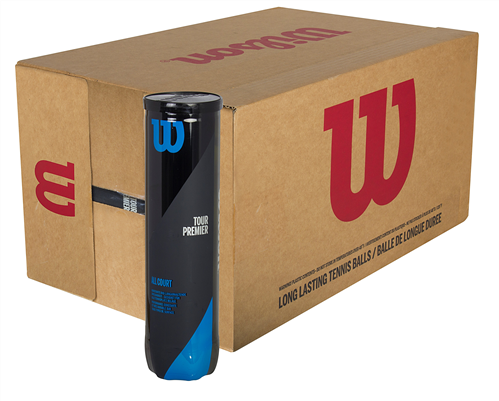
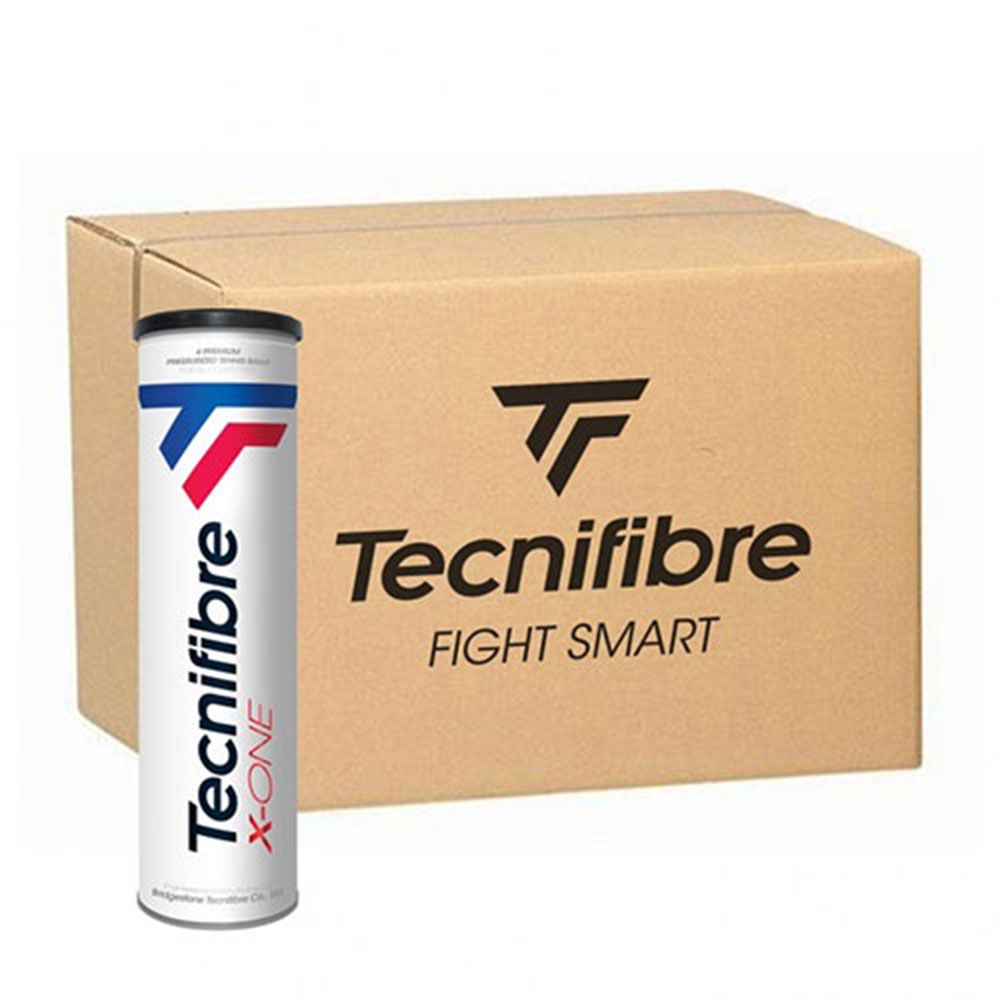
If you run a tennis academy in Delhi, coach a group in Bengaluru, or manage a club court in Chennai — buying balls by the carton (24 cans, 72 balls) saves real money per ball. Here is how the carton pricing compares, sorted from most affordable to most premium.
| Ball (72 Balls) | Carton Price | Per Ball | Savings vs Dozen |
|---|---|---|---|
| Wilson Titanium | ₹7,500 | ₹104 | ₹9 saved per ball (8%) |
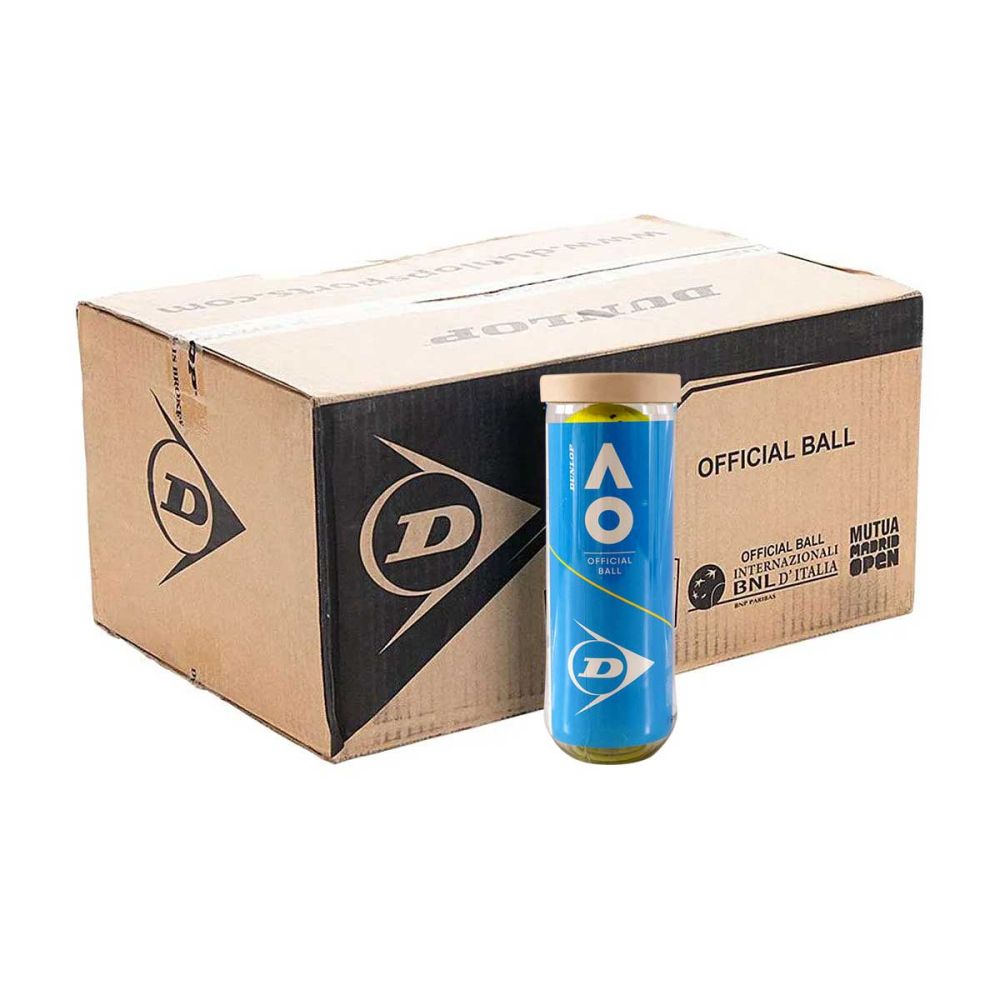
| Dunlop ATP Championship | ₹8,000 | ₹111 | ₹14 saved per ball (11%) |
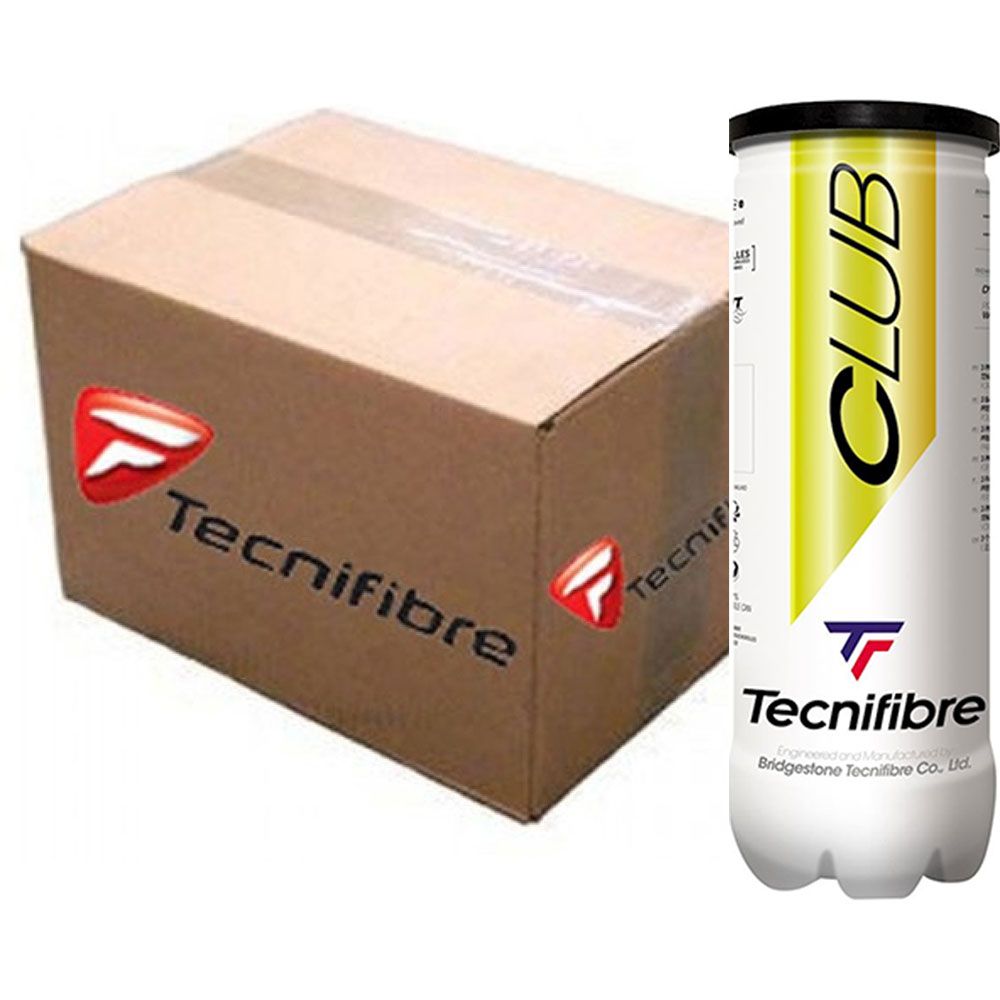
| Tecnifibre Club | ₹8,700 | ₹121 | ₹4 saved per ball (3%) |
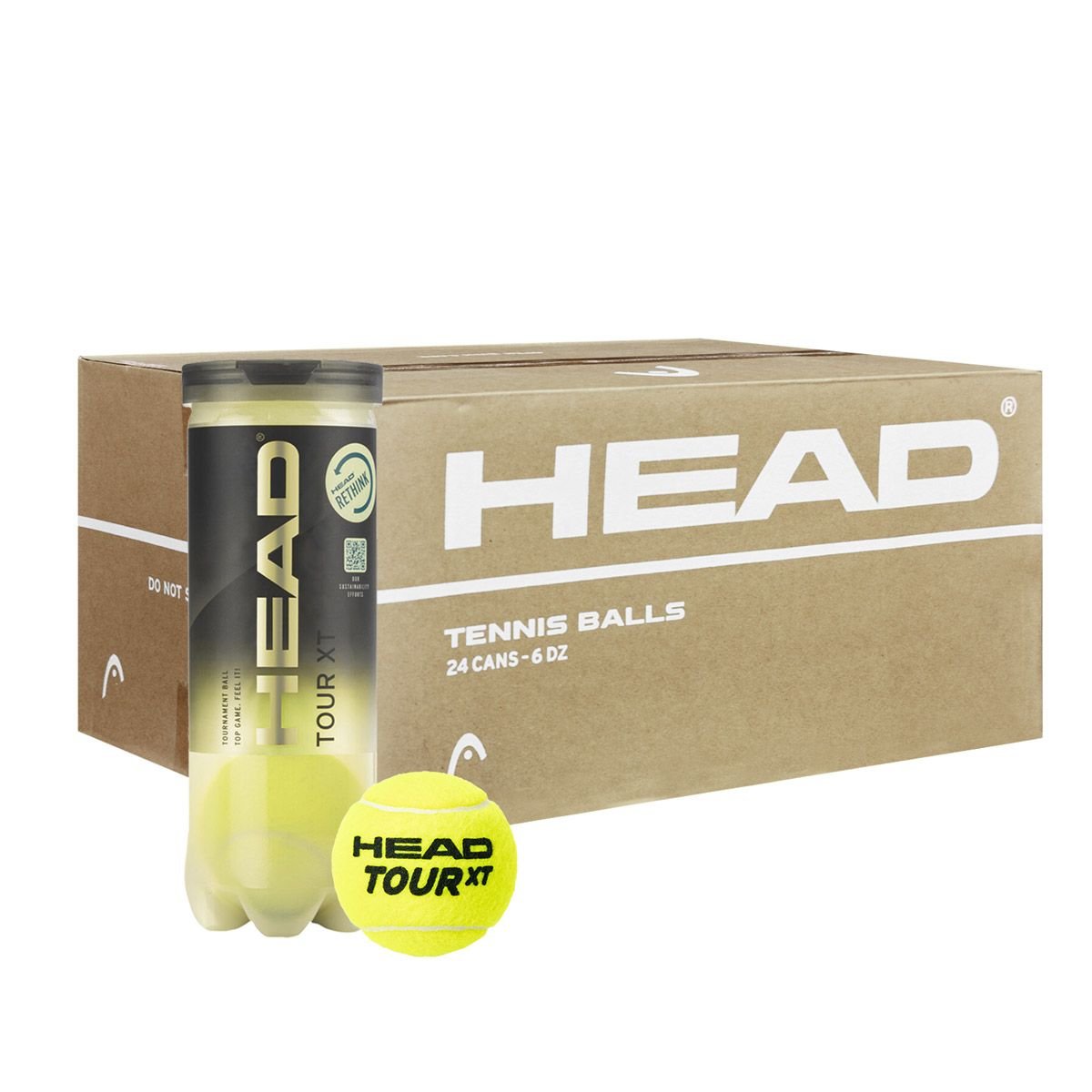
| HEAD Tour XT | ₹9,480 | ₹132 | ₹32 saved per ball (20%) |
| Dunlop AO | ₹9,500 | ₹132 | ₹10 saved per ball (7%) |
| Wilson Tour Premier | ₹9,800 | ₹136 | ₹14 saved per ball (9%) |
| Tecnifibre X-One | ₹11,499 | ₹160 | — |
The standout bulk deal is the HEAD Tour XT carton at ₹9,480 — you save ₹32 per ball (20%) compared to buying the dozen pack. That is tournament-grade ball quality at ₹132 per ball in bulk.
For academies that want the best tennis balls for hard courts at the best bulk price, the Dunlop ATP Championship carton at ₹8,000 delivers reliable balls at just ₹111 each — hard to beat for daily court use.
Shop Carton Packs (72 Balls)

Academy Recommendation
For a tennis academy running 4–6 hours of coaching daily on hard courts, stock Dunlop ATP Championship or Tecnifibre Club cartons for regular drills. Keep 1–2 dozen HEAD Tour XT or Wilson Tour Premier cans for match-play sessions and competitive group training.
This split approach gives you the best tennis balls for hard courts at every price tier while balancing performance with cost.
HOW TO CHOOSE THE RIGHT TENNIS BALL FOR YOUR GAME
Match Your Ball to Your Playing Level
If you are a competitive player entering AITA tournaments or club leagues, stick with the premium tier — HEAD Tour XT, Wilson Tour Premier, Dunlop AO, or Tecnifibre X-One. These are the best tennis balls for hard courts when consistent bounce and predictable flight matter most.
If you are an intermediate player working on your game with a coach, the training tier (Dunlop ATP Championship, Tecnifibre Club) is the smart choice. You go through more balls during practice, and these deliver 80% of the premium ball experience at a lower cost.
Match Your Ball to Your Court
On rough Indian hard courts, prioritize balls with tighter woven felt — HEAD Tour XT and Wilson Tour Premier hold up the longest under abrasion. If you play on smoother cushioned hard courts (common at premium clubs in Mumbai and Bengaluru), any of the premium or training-tier balls will perform well.
For players who split time between hard courts and clay, the Dunlop Fort and Wilson Tour Premier are genuinely versatile across surfaces.
Match Your Ball to Your Budget
Think of tennis ball spending not as a per-can cost, but as a per-session cost. A ₹2,100 dozen of Slazenger Wimbledon balls that lasts four sessions costs ₹525 per session. A ₹1,350 dozen of Wilson Titanium that lasts two sessions costs ₹675 per session.
Sometimes the best tennis balls for hard courts are actually cheaper to play with. Factor in durability, not just sticker price.
For players building their complete setup, pairing the right ball with the right string tension and spin-friendly strings makes a noticeable difference in shot quality. And for Indian summers, do not overlook a good overgrip for sweaty hands — it is just as important as ball choice for maintaining consistency during long sessions.
HOW TO STORE TENNIS BALLS IN INDIAN CLIMATE
India's heat and humidity are the two biggest enemies of pressurized tennis balls. Even the best tennis balls for hard courts will lose performance if stored improperly. Here is how to get the most life out of every can you buy.
Unopened cans: Store in a cool, dry room — ideally under 30°C. A bedroom closet works. Avoid garages, car boots, and balconies that receive direct sunlight. Pressurized cans sealed properly can maintain full bounce for 12–18 months in good conditions.
Opened cans: Once you crack the seal, the clock starts. Balls start losing pressure from the first bounce. For match-quality bounce, use a fresh can for each competitive match. For practice, opened balls remain usable for 2–4 sessions depending on playing intensity and ball quality.
Extending ball life: Pressure maintenance tubes (like the PressureBall container) are available in India and can extend usable ball life by re-pressurizing them between sessions. These are worth the investment if you play 3+ times per week and go through several cans monthly.
End-of-life use: When balls lose too much bounce for on-court play, they still work in ball machines, for conditioning drills, or as dog toys. Do not throw them away — even dead balls have a second life.
FREQUENTLY ASKED QUESTIONS
What are the best tennis balls for hard courts in India?
The best tennis balls for hard courts in India are the HEAD Tour XT (₹1,970 per dozen) and Wilson Tour Premier (₹1,799 per dozen) for competitive match play. Both use woven felt that resists hard court abrasion and maintains consistent bounce in Indian heat. For practice, the Dunlop ATP Championship (₹1,500 per dozen) delivers the best value.
How long do pressurized tennis balls last on hard courts?
On Indian hard courts, premium pressurized balls (HEAD Tour XT, Wilson Tour Premier, Tecnifibre X-One) typically maintain match-quality bounce for 2–4 playing sessions of 60–90 minutes each. Budget balls like Wilson Titanium may drop off after 1–2 sessions.
Factors that shorten ball life include rougher court surfaces, higher temperatures, and more powerful hitting. Once opened, all pressurized balls gradually lose internal pressure regardless of use.
Is the Dunlop AO the official Australian Open ball?
Yes. The Dunlop AO is the official ball of the Australian Open Grand Slam. It features Dunlop's HD Core technology and HD PRO Cloth woven felt, designed for consistent performance across all court surfaces. At ₹1,699 per dozen, it is the most affordable Grand Slam-level ball available in India.
Which tennis ball is best for coaching and academies in India?
For academies and coaching programs, we recommend the Dunlop ATP Championship carton (₹8,000 for 72 balls, ₹111 per ball) or the Tecnifibre Club carton (₹8,700 for 72 balls). Both deliver reliable bounce and durability for extended training sessions.
For match-play drills and competitive training groups, keep a few cans of HEAD Tour XT available — the carton price of ₹9,480 (₹132 per ball) offers a 20% saving over the dozen pack.
What is the difference between extra duty and regular duty tennis balls?
Extra duty balls use thicker felt designed for hard court surfaces — the denser fibers resist abrasion from rough acrylic and concrete. Regular duty balls have thinner felt that picks up less clay dust, making them ideal for clay and indoor courts.
All-court balls aim for a balance between both. For Indian hard courts, always choose extra duty or all-court balls. Regular duty balls will wear out rapidly on Indian hard court surfaces.
Are expensive tennis balls worth the price?
Often, yes — when measured by cost-per-session rather than cost-per-can. A premium ball like the HEAD Tour XT (₹164 per ball) that lasts 4 sessions costs roughly ₹41 per ball per session. A budget ball at ₹113 per ball that lasts 2 sessions costs ₹57 per ball per session.
Premium balls also offer more consistent bounce, better spin response, and predictable flight — all of which matter for developing proper technique. If you are investing in a quality racket, pairing it with one of the best tennis balls for hard courts makes sense.
Can I use the same tennis balls for hard court and clay court?
Yes, if you choose all-court balls. The Wilson Tour Premier, Dunlop Fort, Dunlop AO, and Slazenger Wimbledon are all designed to perform well across surfaces.
However, extra duty balls (designed for hard courts) tend to pick up more clay dust on soft surfaces, which makes them heavier and slower over time. If you primarily play on hard courts and occasionally on clay, all-court balls are the practical choice.
Does Sports Galaxy sell genuine tennis balls with free shipping?
Every tennis ball at Sports Galaxy is 100% authentic and sourced through authorized distribution channels. We stock Wilson, HEAD, Dunlop, Tecnifibre, Slazenger, and Yonex — from individual dozen packs to full 72-ball cartons. Free shipping is available on prepaid orders across India. Visit our physical store in Gurugram or shop tennis balls online at sportsgalaxy.in.
Ready to Stock Up?
Sports Galaxy carries every major tennis ball brand in India — from budget practice balls to Grand Slam-grade tournament cans. Free shipping on prepaid orders, nationwide delivery.