An honest, no-fluff comparison from a store that sells both brands
2026 UpdateWalk into any badminton court in India and you will spot two logos more than any other — the Yonex sunrise mark and the Li-Ning swoosh. These two brands have carved up the Indian badminton market between them, and every player eventually faces the same question: Yonex vs Li-Ning badminton rackets — which one should I actually buy?
At Sports Galaxy, we stock both brands. We have zero incentive to push one over the other. What we do have is years of customer feedback, return data, and firsthand experience stringing, repairing, and selling hundreds of rackets from both lineups. This guide is built on that experience — not manufacturer press releases.
We will walk you through the real differences in technology, playing feel, durability, after-sales service, pricing, and which brand genuinely suits your playing style. If you are looking for a quick summary before diving into the details, here it is.
THE BRANDS BEHIND THE RACKETS
Yonex — Eight Decades of Japanese Precision
Yonex started in 1946 as a wooden fishing-float workshop in Japan. Founder Minoru Yoneyama pivoted to badminton rackets in 1957 and never looked back. The company rebranded to Yonex Co., Ltd. in 1982 and is now headquartered in Bunkyo City, Tokyo. It trades on the Tokyo Stock Exchange and holds roughly 80% market share among competitive badminton players worldwide, according to industry estimates.
In India, Yonex operates through Yonex India Private Limited and opened a second manufacturing facility in Bengaluru in June 2023 specifically for full-carbon graphite rackets. That factory is planned to triple its production volume within three years — a clear signal of how seriously Yonex views the Indian market.
Source: Yonex India Manufacturing — yonex.comLi-Ning — The Olympic Champion's Brand
Li-Ning was founded in 1990 by Li Ning, the Chinese artistic gymnast who won three gold medals at the 1984 Los Angeles Olympics. He famously lit the Olympic torch at the 2008 Beijing Games. The company is headquartered in Beijing and listed on the Hong Kong Stock Exchange.
What started as an apparel brand for Chinese athletes has grown into a global force in badminton equipment. Li-Ning rackets are known for aggressive innovation and competitive pricing. In India, products are imported and distributed by Sunlight Sports Pvt. Ltd., Bengaluru. The brand has built strong credibility through endorsements from Indian and Southeast Asian players and by offering professional-grade rackets at price points that undercut Yonex by 10–25%.
Source: Li-Ning India — in.lining.studioHEAD-TO-HEAD: YONEX VS LI-NING BADMINTON RACKETS AT A GLANCE
Before we go deep into individual technologies and playing characteristics, here is a side-by-side snapshot of how Yonex vs Li-Ning badminton rackets stack up across the factors that matter most to Indian players.
| Factor | Yonex | Li-Ning |
|---|---|---|
| Founded | 1946 (Japan) | 1990 (China) |
| Sweet Spot Size | ~10% larger (Isometric head) | Standard + Dynamic Optimum Frame |
| Entry Price (India) | ₹500 (aluminum) | Under ₹1,000 (aluminum) |
| Pro-Level Price | ₹17,990–₹23,895 MRP | ₹27,990–₹29,990 MRP |
| Value for Money | Good | 10–25% better at similar specs |
| Core Racket Series | 3 (Astrox, Nanoflare, Arcsaber) | 6+ (Axforce, BladeX, Halbertec, Wind Lite, Air Force, G-Force) |
| Lightest Racket | ~73g (Astrox Smash) | ~77g (Windstorm / G-Force Superlite) |
| Max String Tension (Flagship) | 28 lbs published (higher in practice) | 31 lbs published (Axforce 3U) |
| India Manufacturing | Yes — Bengaluru factory | No — imported via distributor |
| After-Sales (India) | Wider — 50+ cities | Growing — metros focused |
| Key Pro Players | Viktor Axelsen, Lakshya Sen, Satwik-Chirag | Loh Kean Yew, Jonatan Christie |
| Best For | Beginners, all-rounders, service reliability | Power smashers, budget buyers, niche styles |
YONEX VS LI-NING BADMINTON RACKETS — TECHNOLOGY BREAKDOWN
Both Yonex and Li-Ning love their branded technology names. In the Yonex vs Li-Ning badminton rackets debate, most of these technologies are genuine engineering innovations — a few are marketing fluff. Here is what each technology actually does on the court, explained without jargon.
Yonex Technologies
Isometric Head Shape
Yonex's signature squared-off frame creates a roughly 10% larger sweet spot compared to conventional oval frames. More string intersections in the hitting zone means off-center shots still travel with decent pace and accuracy. This is the single biggest reason beginners gravitate toward Yonex.
Rotational Generator System
A counterbalanced weight distribution that places mass at the grip end, frame top, and T-joint. The result is smoother transitions between attack and defense — smash to block to drive. Featured in the Astrox series.
NAMD Graphite
A proprietary material developed with Nitta Corporation where carbon nanotubes are uniformly dispersed in carbon fiber. The shaft flexes more on impact and snaps back faster — producing explosive power without extra swing effort. Found in Pro-tier models.
Aero+Box Frame
A hybrid frame combining two profiles. The aerodynamic side reduces drag for faster swings. The box side delivers stability and a solid hitting feel. You get both speed and control from one frame shape.
Li-Ning Technologies
TB Nano (Powertec)
Nanotechnology bonds carbon fiber and resin more tightly. Frame strength increases by approximately 20% without adding weight. This gives Li-Ning rackets like the Air Force 79 their reputation for lightweight durability.
Dynamic Optimum Frame
An optimized frame geometry that extends the sweet spot upward and widens the stringing area. Li-Ning's answer to Yonex's Isometric shape. The enlarged area handles incoming smashes better and improves hitting velocity.
Wing Stabiliser
Borrowed from aviation technology, this system controls frame vibration after impact. The racket stabilizes faster after each stroke — critical for accurate follow-up shots, especially at high string tensions.
Sonic Boom System
An air-pressure forming process that enhances the sound and feel of impact. Beyond the satisfying crack, this technology optimizes power transfer to the shuttle. Featured in the Halbertec Motor.
UNDERSTANDING THE PRODUCT LINEUP
Yonex Keeps It Simple — Three Core Series
Yonex organizes its entire badminton racket range into three distinct series, each built for a specific playing style. This makes choosing easier, especially if you are new to the sport.
Astrox (Power) — Head-heavy balance with the Rotational Generator System. Built for aggressive players who live for steep smashes and attacking backcourt play. At Sports Galaxy, the Astrox 100 Game (₹6,200) and Astrox 99 Play (₹3,399) are our top sellers in this series.
Nanoflare (Speed) — Head-light balance with an aerodynamic frame profile. Designed for fast-hands players who rely on rapid drives, net kills, and defensive returns. The Nanoflare 1000 Play (₹3,700) is ideal for doubles front-court players.
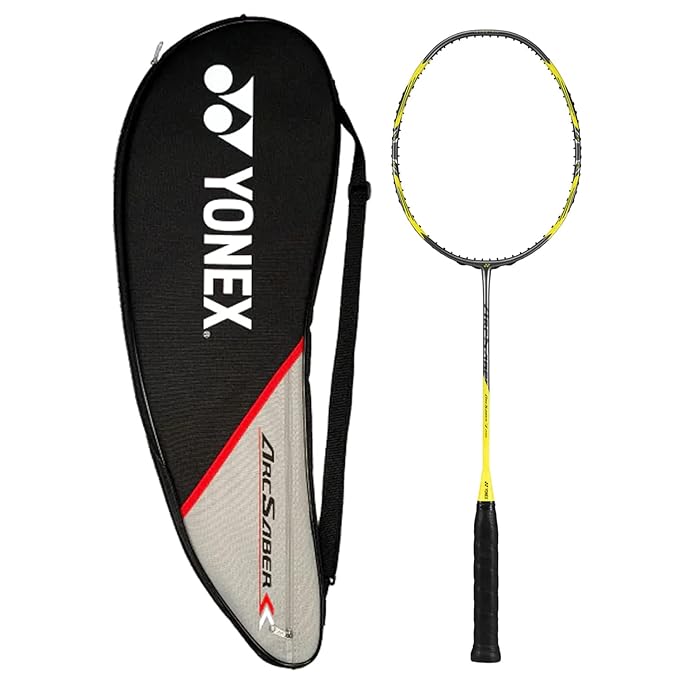
Arcsaber (Control) — Even balance for all-round play. The go-to choice for players who want precision and versatility. The Arcsaber 7 Pro (₹11,700) is the flagship in this series.
Each series comes in four tiers: Play (entry), Game (intermediate), Tour (club), and Pro (professional).
Li-Ning Goes Wide — Six-Plus Series
Li-Ning takes the opposite approach with a much broader lineup designed for specific niches.
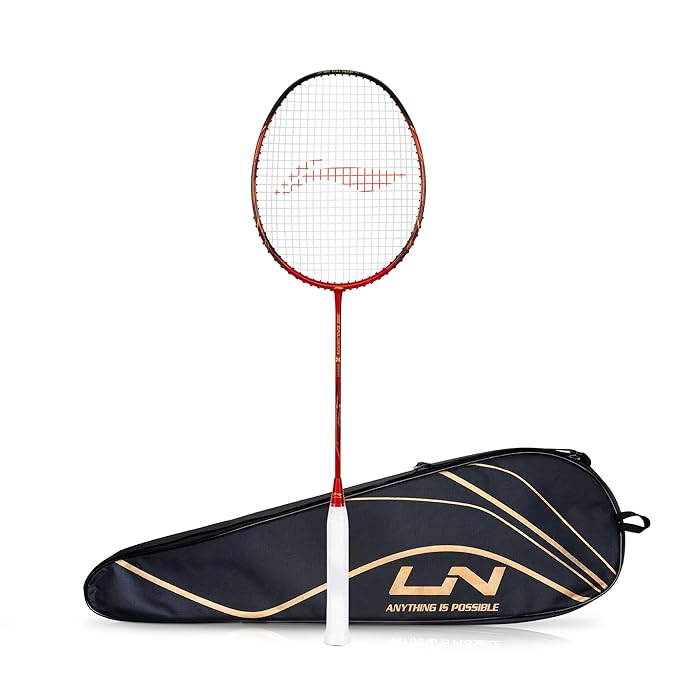
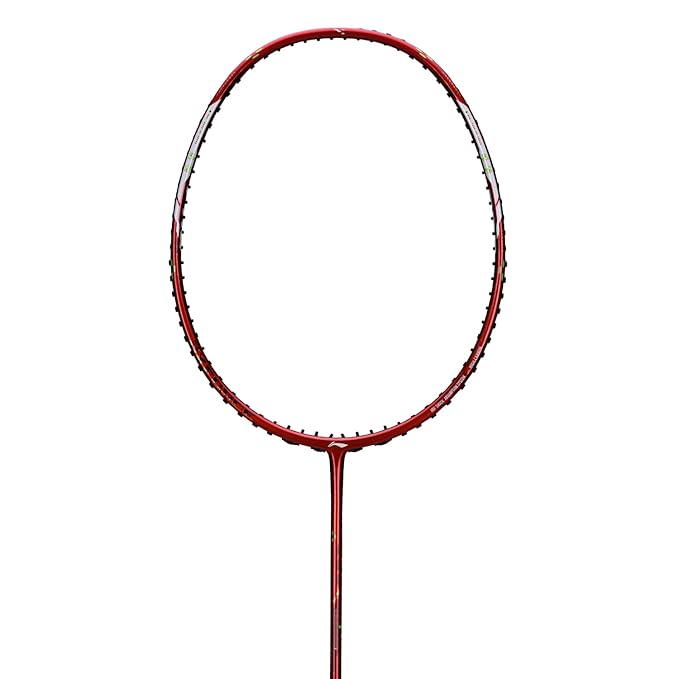
Axforce (Power) — Head-heavy with thin shafts for whip effect. The Axforce Cannon Pro (₹8,999) is the flagship attacking racket in our store.
BladeX (Speed) — Aerodynamic frame for rapid doubles play. The BladeX Spiral (₹4,050) is head-light and quick through the air.
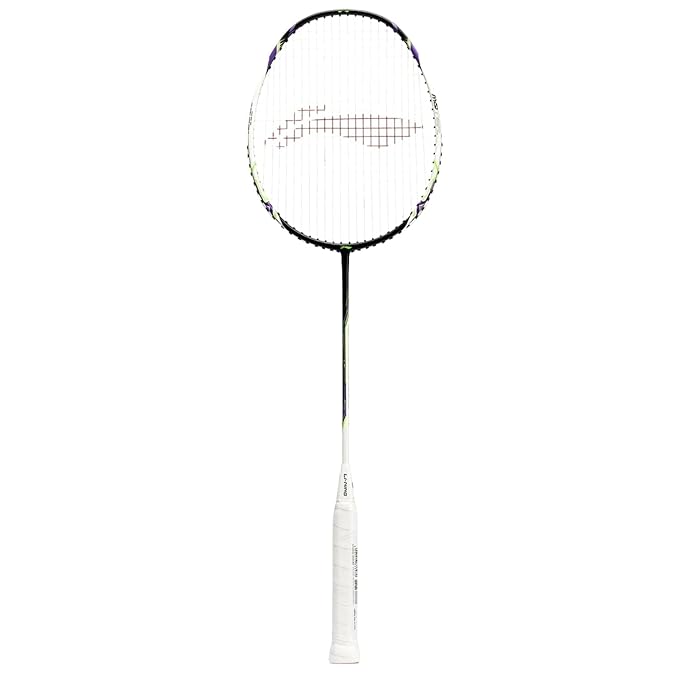
Halbertec (Control) — Li-Ning's newest control-oriented line with even balance. The Halbertec Motor 5U (₹5,200) competes directly with Yonex Arcsaber.
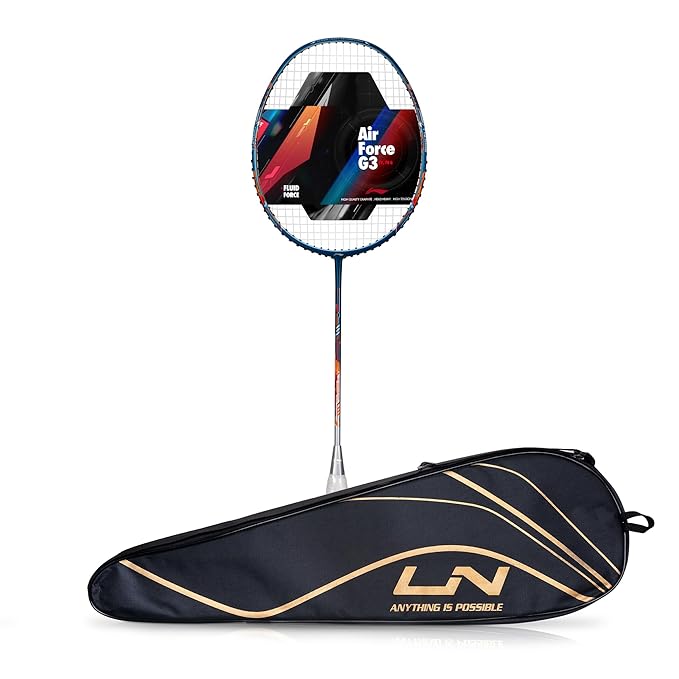
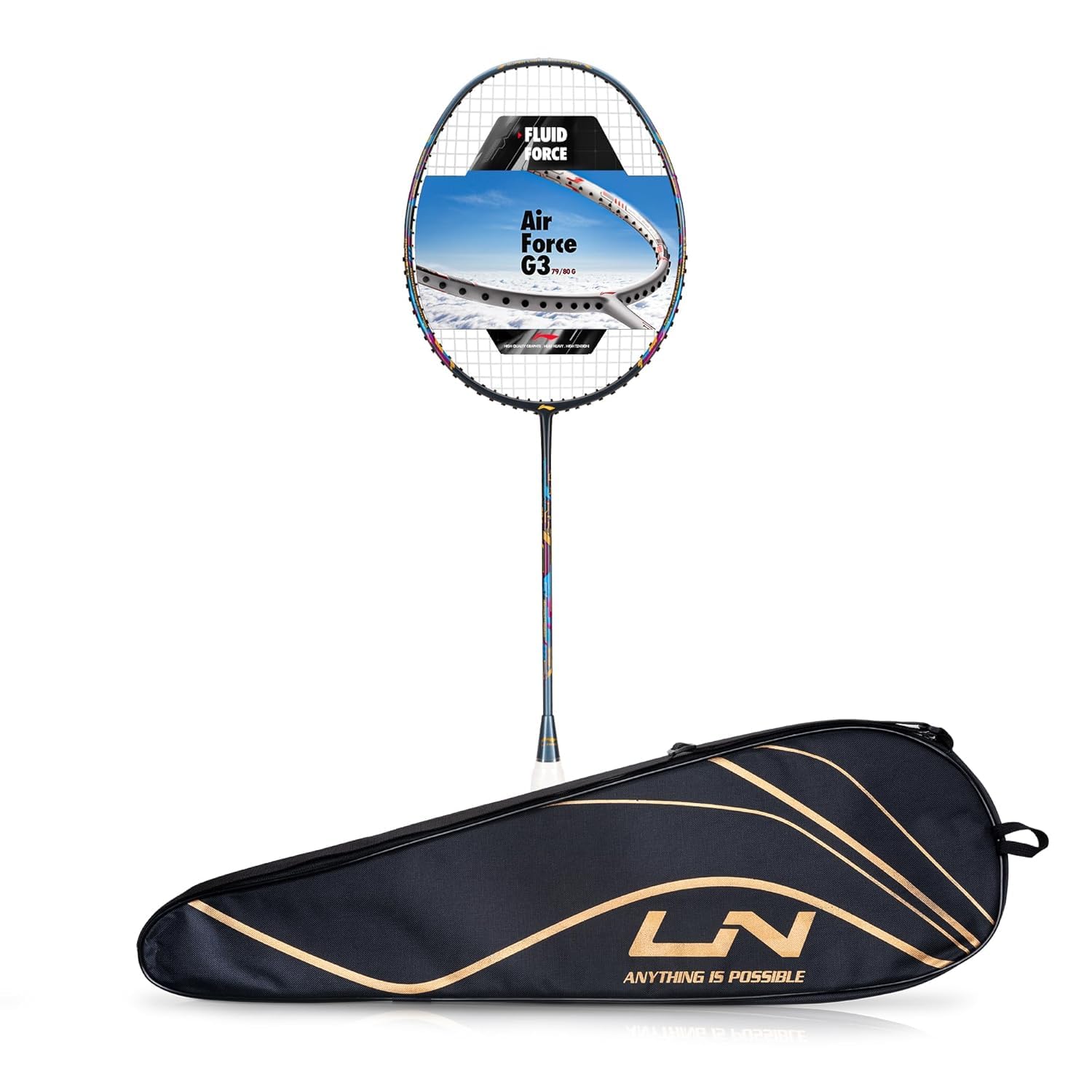
Wind Lite & Air Force (Budget/Mid-Range) — Lightweight carbon rackets targeting Indian players. The Air Force 78 G3 (₹2,999) and Wind Lite 900 II (₹3,900) offer excellent value between ₹2,500 and ₹4,000.
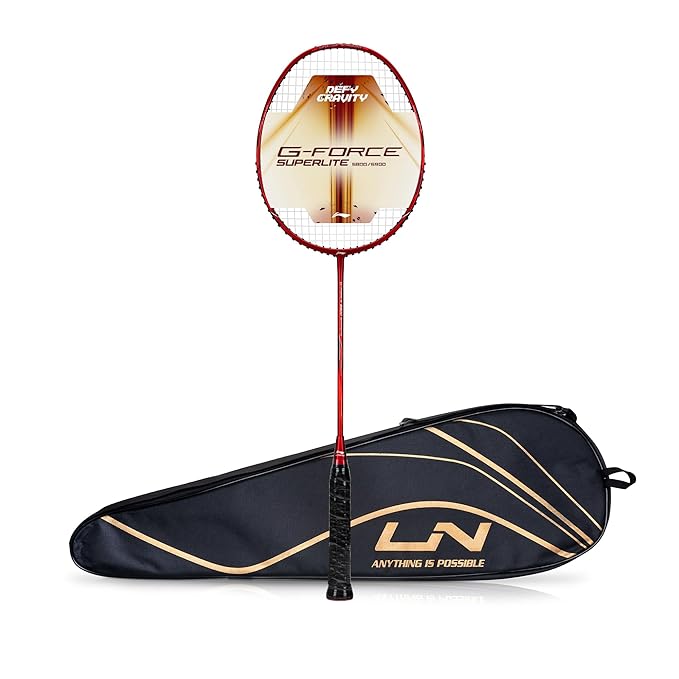
G-Force Superlite — Ultra-lightweight models at 78–80g. The G-Force 5900 Superlite (₹2,490) is perfect for players with weaker wrists or those who prioritize maneuverability.
WHO PLAYS WITH WHAT: PRO PLAYER ENDORSEMENTS
Pro endorsements matter because they signal which brand invests the most in R&D at the highest performance level. Here is the verified picture as of March 2026.
Yonex-Sponsored Players
Viktor Axelsen (Denmark, Olympic champion) uses the Astrox 100VA ZZ — his signature racket launched in September 2025. Lakshya Sen (India, top-10 singles) plays with the Nanoflare 1000 Z. Satwiksairaj Rankireddy and Chirag Shetty (India, top doubles pair) are both Yonex athletes. Kunlavut Vitidsarn (Thailand) reached world No. 1 in June 2025 using the Astrox 88D Pro. An Se-young (South Korea) signed a record 4-year Yonex deal in 2025 worth approximately ₹60 crore.
Li-Ning-Sponsored Players
Loh Kean Yew (Singapore, 2021 world champion) is Li-Ning's most prominent active endorser, using the Axforce 90. Jonatan Christie and Anthony Ginting (Indonesia) both play with Li-Ning equipment.
A note on Indian players: PV Sindhu signed a landmark ₹50 crore deal with Li-Ning in 2019 for racket equipment, but that contract's current status is unclear — she signed with PUMA for apparel in January 2025. HS Prannoy has been sponsored by Victor since approximately 2021, not Li-Ning. Kidambi Srikanth has reportedly moved to the Hundred brand.
Player rankings verified via Badminton World Federation (BWF)YONEX VS LI-NING BADMINTON RACKETS — WHICH BRAND SUITS YOUR GAME?
If You Are a Beginner
Yonex's Isometric sweet spot gives you more forgiveness on off-center hits, which is invaluable when you are still developing timing and technique. The Astrox Lite 27i (₹2,299) and Voltric Lite 40i (₹1,999) are excellent starting points. However, if budget is tight, Li-Ning's Air Force 78 G3 (₹2,999) and G-Force 5900 Superlite (₹2,490) deliver impressive build quality at competitive prices.
If You Prioritize Smashing Power
Both brands excel here. Yonex's Astrox 100 Game (₹6,200) offers devastating head-heavy power with the Rotational Generator System. Li-Ning's Axforce Cannon Pro (₹8,999) matches it with aggressive shaft flex and TB Nano reinforcement. Yonex gives a more dampened, controlled power, while Li-Ning delivers a livelier, whippier response.
If Speed and Doubles Play Is Your Game
The Yonex Nanoflare 1000 Play (₹3,700) is our best-selling head-light racket — fast, forgiving, and well-priced. Li-Ning's BladeX Spiral (₹4,050) competes directly with sharper aerodynamics and a slightly stiffer feel that rewards clean technique.
If You Want the Best Value for Money
Li-Ning wins this category consistently. Their Wind Lite 900 II (₹3,900) and Air Force 79 (₹3,399) deliver carbon graphite frames with 28–30 lbs tension capacity at prices where Yonex offers more basic specifications.
If After-Sales Service Matters to You
Yonex wins decisively. With a manufacturing facility in Bengaluru, authorized dealers across 50+ Indian cities, and a 1-year manufacturer warranty, Yonex's service infrastructure is significantly stronger. Li-Ning's network is growing but remains concentrated in major metros. If you live in a tier-2 or tier-3 city, warranty claims and replacement parts will be easier with Yonex.
OUR TOP YONEX PICKS AT SPORTS GALAXY
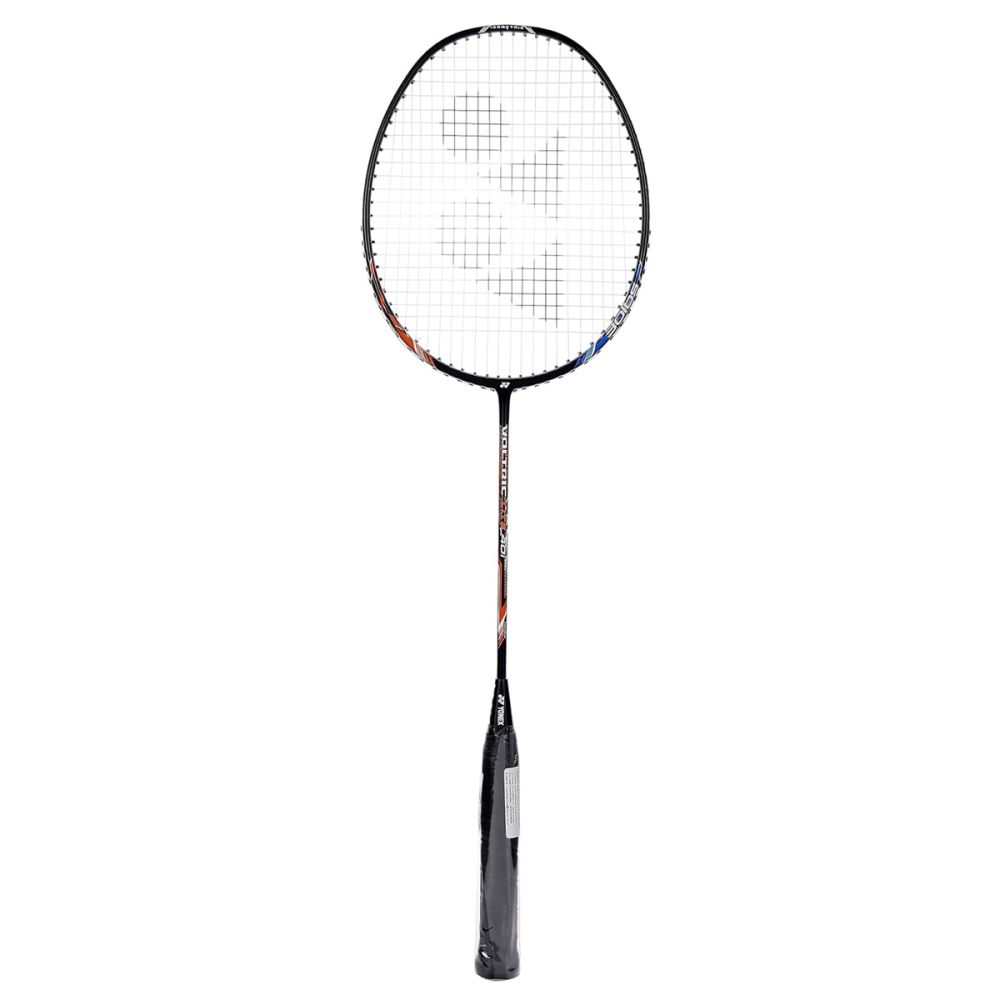
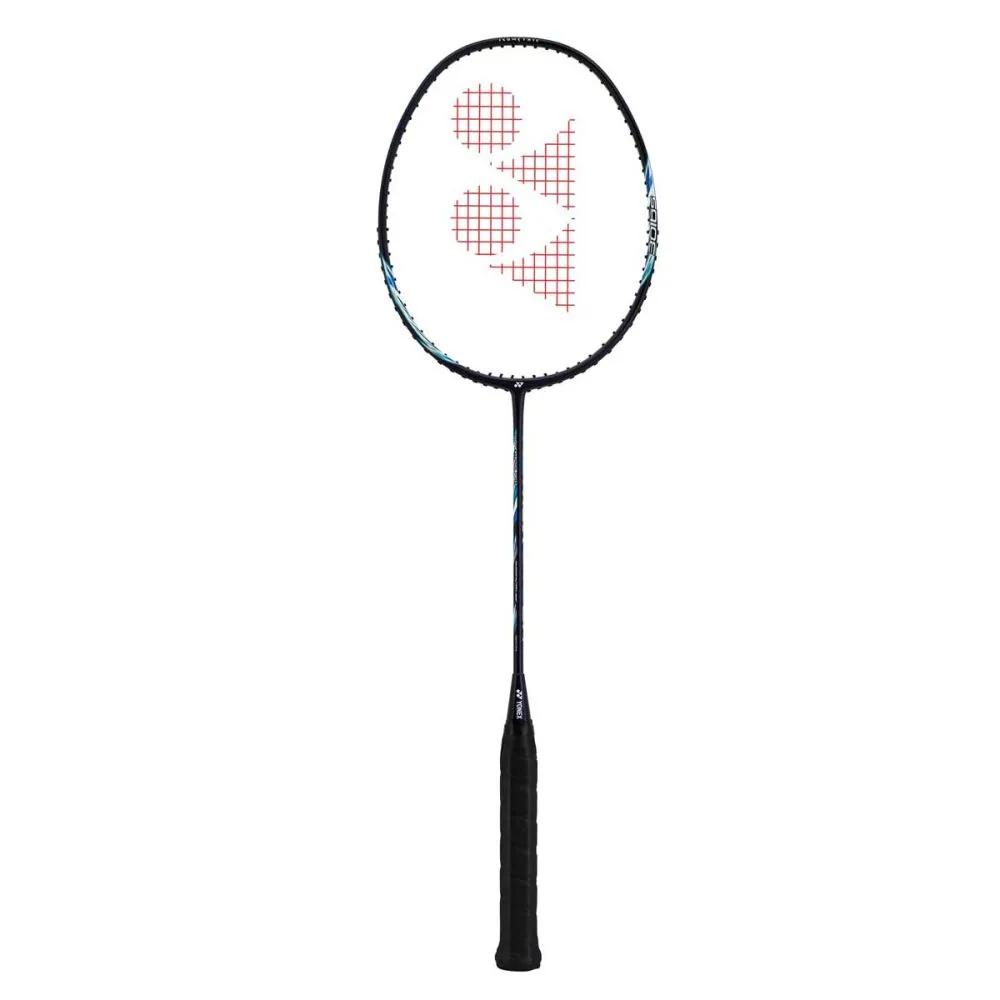
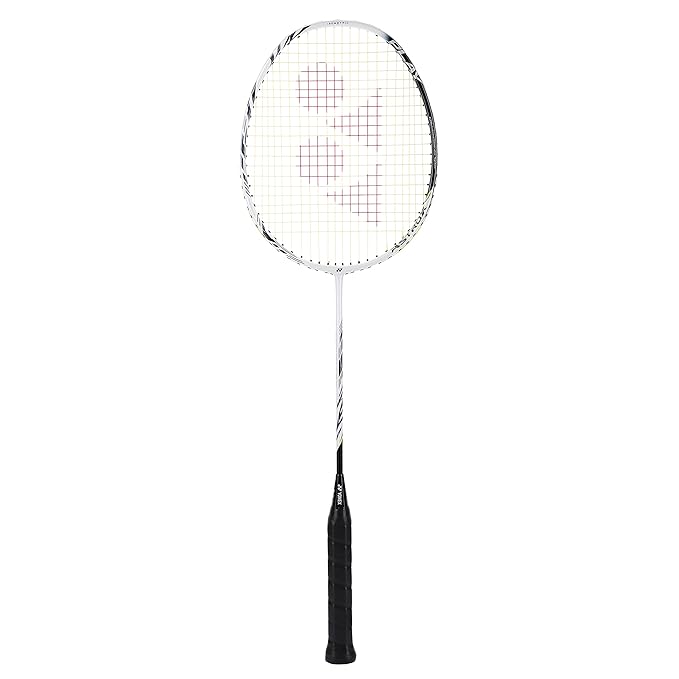
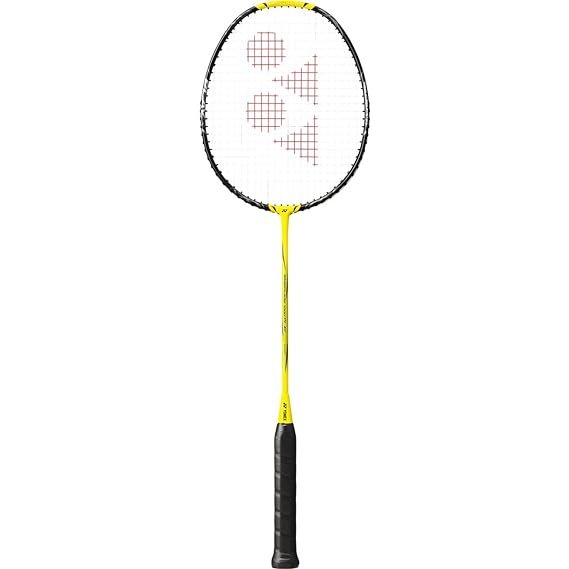
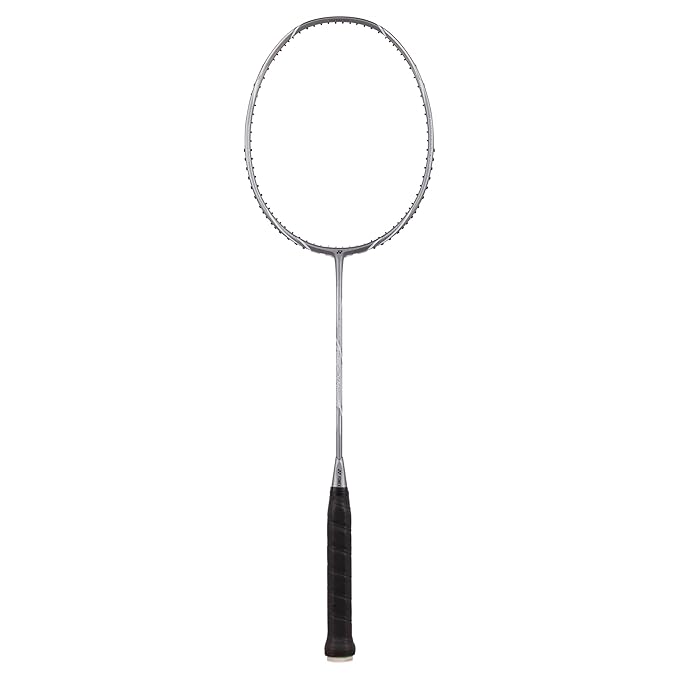
Now that you understand how Yonex vs Li-Ning badminton rackets compare on technology and specs, here are our best-selling Yonex picks across skill levels. Every racket listed below is in stock, ships across India, and comes with manufacturer warranty.
OUR TOP LI-NING PICKS AT SPORTS GALAXY
Li-Ning's range at Sports Galaxy covers everything from budget carbon rackets to pro-level attacking frames. These are our top recommendations based on customer reviews and sales data.
PRICE COMPARISON: YONEX VS LI-NING BADMINTON RACKETS IN INDIA
Here is how Yonex vs Li-Ning badminton rackets pricing stacks up across different skill levels in India. Li-Ning consistently offers lower entry points at each tier, though the gap narrows at the professional level.
| Segment | Yonex (₹) | Li-Ning (₹) | Difference |
|---|---|---|---|
| Beginner Aluminum | ₹500–₹1,400 | Under ₹1,000 | Li-Ning 15–20% cheaper |
| Entry Carbon/Graphite | ₹1,700–₹3,000 | ₹1,500–₹2,500 | Li-Ning 10–15% cheaper |
| Intermediate | ₹3,400–₹7,000 | ₹3,000–₹5,200 | Li-Ning 15–25% cheaper |
| Advanced | ₹7,000–₹16,000 | ₹5,000–₹9,000 | Li-Ning 20–25% cheaper |
| Professional Flagship | ₹18,000–₹24,000 MRP | ₹28,000–₹30,000 MRP | Street prices comparable |
One important note: Li-Ning's flagship MRP numbers look higher, but heavy retail discounts (30–45%) bring actual selling prices down to ₹15,000–₹18,500. Yonex Pro models also see discounts but typically smaller ones (15–25%). At the professional tier, actual street prices are comparable.
WHY 2026 IS A BIG YEAR FOR BADMINTON IN INDIA
India is hosting the 2026 BWF World Championships at the Indira Gandhi Arena in New Delhi from August 17–23. This is the first time since 2009 that badminton's biggest individual event comes to Indian soil. The India Open 2026 (Super 750) already took place in January with ₹7.1 crore prize money.
The Indian badminton equipment market was valued at over $200 million in 2023 and is projected to hit $305 million by 2030. With growing participation at school, college, and club levels across cities like Delhi, Mumbai, Bengaluru, Hyderabad, Chennai, Pune, and Kolkata — the Yonex vs Li-Ning badminton rackets competition is intensifying as both brands aggressively price their rackets for Indian players. If you are looking to buy your first serious racket or upgrade your current one, 2026 is the best time.
FREQUENTLY ASKED QUESTIONS
Which brand is better for beginners — Yonex or Li-Ning?
In the Yonex vs Li-Ning badminton rackets debate for beginners, Yonex is the safer choice because of the Isometric head shape that gives you a roughly 10% larger sweet spot. The Yonex Astrox Lite 27i (₹2,299) and Voltric Lite 40i (₹1,999) are our top beginner recommendations. If your budget is tight, Li-Ning's Air Force 78 G3 (₹2,999) and G-Force 5900 Superlite (₹2,490) deliver excellent carbon rackets at competitive prices.
Is Li-Ning racket quality as good as Yonex?
At the intermediate and professional tiers, Li-Ning racket quality is comparable to Yonex. Li-Ning uses TB Nano technology that increases frame strength by approximately 20% without adding weight. Their flagship Axforce 90 is used by 2021 world champion Loh Kean Yew. Where Yonex holds an advantage is in after-sales service in India — they have a Bengaluru manufacturing facility and authorized dealers in 50+ cities, making warranty claims and repairs easier.
Which brand do Indian badminton players use?
India's top men's players predominantly use Yonex. Lakshya Sen plays with the Nanoflare 1000 Z, and the Satwik-Chirag doubles pair both use Yonex rackets. PV Sindhu historically had a ₹50 crore deal with Li-Ning from 2019, but her current racket sponsorship status is unclear as of 2026. HS Prannoy uses Victor, and Kidambi Srikanth has reportedly moved to the Hundred brand.
Why are Li-Ning badminton rackets cheaper than Yonex?
Li-Ning's pricing advantage comes from lower manufacturing costs in China, aggressive market-penetration pricing in India, and smaller marketing overhead compared to Yonex's global sponsorship portfolio. This does not indicate lower quality — Li-Ning uses comparable materials like high-modulus carbon graphite and TB Nano reinforcement. Compare both brands side by side in our badminton racket collection.
Can I string a Yonex or Li-Ning racket at high tension in India?
Both brands support high-tension stringing. Li-Ning flagship models like the Axforce Cannon Pro advertise a maximum of 31 lbs. Yonex publishes conservative limits (28 lbs) to protect warranty, but professional stringers routinely string above 30 lbs. At Sports Galaxy, we offer professional stringing services for both brands — browse our badminton strings here.
Which is better for doubles — Yonex Astrox or Li-Ning Axforce?
For backcourt doubles play (smashing and attacking), both the Yonex Astrox 88 Play (₹3,500) and Li-Ning Axforce Cannon Pro (₹8,999) are excellent choices. For front-court doubles (net kills, fast drives), the Yonex Nanoflare 1000 Play (₹3,700) and Li-Ning BladeX Spiral (₹4,050) are both head-light and quick. Yonex feels more dampened, Li-Ning offers a livelier response.
Does Sports Galaxy sell genuine Yonex and Li-Ning rackets?
Every Yonex and Li-Ning racket at Sports Galaxy is 100% authentic and sourced through authorized distribution channels. All rackets come with the original manufacturer hologram, warranty card, and full cover. We ship across India with free shipping on prepaid orders. Visit our physical store in Gurugram or shop online at sportsgalaxy.in.
Ready to Pick Your Racket?
Sports Galaxy stocks 30+ Yonex and Li-Ning badminton rackets with free shipping and manufacturer warranty across India.