With IPL 2026 starting March 28, cricket season is here and bat sales are surging across India. Whether you are picking up a bat for the first time or upgrading for league matches, the most important decision is choosing between a Kashmir willow vs English willow cricket bat. Both types of willow come from the same tree species — Salix alba — but differences in growing climate, wood density, and processing create two very different categories of bats. Whether you are a school-level beginner in Delhi, a weekend warrior in Bengaluru, or a competitive club player in Mumbai, this complete guide covers origin, performance, grading, price, maintenance, and which willow type is right for your game.
KASHMIR WILLOW VS ENGLISH WILLOW — THE ORIGIN STORY
How Kashmir Willow Came to India
During the 1800s, British colonizers noticed that the Kashmir Valley shared a remarkably similar climate to the English countryside. They brought Salix alba willow saplings by boat from Essex and Norfolk to Kashmir and planted them across the valley. Those saplings took root and thrived — but over generations, the warmer temperatures, different soil nutrients, and distinct rainfall patterns of Kashmir produced wood with slightly different physical properties than the original English variety. This is how the Kashmir willow cricket bat industry was born, and today Kashmir remains India's primary source of domestic bat willow.
English Willow — The Professional Standard
English willow continues to grow in the cool, moist river banks of southern England under carefully managed farming conditions. The slower growth cycle in England's mild climate produces softer, lighter wood with a finer grain structure. This is why English willow has been the preferred material for professional cricket bats at every level — from county cricket in England to international test matches. Most top players, including Virat Kohli, KL Rahul, and Rohit Sharma, use custom-made English willow bats designed for maximum performance with leather balls.
KASHMIR WILLOW VS ENGLISH WILLOW — HEAD-TO-HEAD COMPARISON
The table below summarizes the key differences between an English willow bat vs Kashmir willow bat across every factor that matters when choosing your next cricket bat.
| Factor | Kashmir Willow | English Willow |
|---|---|---|
| Origin | Kashmir Valley, India | Southern England, UK |
| Weight | Heavier (denser wood) | Lighter (softer wood) |
| Sweet Spot | Smaller, higher on blade | Larger, mid-to-low blade |
| Ping (Rebound) | Lower rebound | Higher rebound — explosive |
| Durability | 3-5 seasons, tough wood | 1-3 seasons, needs care |
| Grain Structure | Darker, less uniform | Lighter, 6-12 straight grains |
| Maintenance | Low — minimal oiling | High — regular oil + knock-in |
| Price Range (India) | ₹1,500 – ₹5,000 | ₹3,000 – ₹60,000+ |
| Best For | Beginners, tennis ball, practice | Club, league, competitive play |
| Top Brands | SS, SG, MRF | SS, SG, MRF, GM |
Weight and Pickup
Kashmir willow bats are generally heavier because the wood is denser. The warmer climate in the Kashmir region causes the wood fibers to grow tighter, adding weight. English willow bats are lighter with a more balanced pickup, which makes them easier to maneuver for quick shots and late adjustments. For players who rely on timing and placement rather than raw power, the lighter pickup of English willow makes a noticeable difference during long innings.
Sweet Spot and Rebound (Ping)
English willow is softer, which means it compresses more on ball impact and creates a stronger rebound effect — cricketers call this "ping." The sweet spot on an English willow bat is typically larger and positioned in the mid-to-low blade area, rewarding proper technique with explosive shot-making. Kashmir willow bats have a smaller sweet spot positioned slightly higher on the blade. When you connect in the middle of a Kashmir willow bat, the ball still travels — but English willow rewards good timing more consistently.
Durability and Lifespan
This is where Kashmir willow wins clearly. The denser, harder wood handles rough conditions, synthetic pitches, and heavy daily use far better than English willow. A well-maintained Kashmir willow bat can last several seasons of regular play. English willow, being softer, is more prone to cracking and surface damage — especially if not properly knocked in and oiled before use. When comparing an English willow bat vs Kashmir willow bat purely on longevity, Kashmir willow is the more durable option.
Grain Structure and Appearance
English willow bats are typically lighter in color (almost white) with clearly visible, straight grains running across the face. High-quality English willow can have 6 to 12 straight grains. Kashmir willow tends to be darker with a less uniform grain pattern — the grains are less prominent and sometimes irregular. While grain appearance is often used as a quality indicator, it does not always determine performance. A well-pressed Grade 2 Kashmir willow bat can outperform a poorly maintained Grade 3 English willow bat.
Price Comparison in India
The biggest practical difference when comparing Kashmir willow vs English willow is price. Kashmir willow bats from trusted Indian manufacturers like SS Cricket and SG Cricket start at around ₹2,000 and go up to ₹5,000 for premium Grade 1 options. English willow bats start at approximately ₹3,000 for entry-level Grade 4-5 options and can reach ₹60,000 or more for professional Grade 1 bats. For players exploring the best options under a budget, our guide to the best cricket bats under ₹5,000 in India covers top picks across both willow types.
CRICKET BAT GRADING SYSTEM EXPLAINED
English Willow Grades
English willow bats are graded from Grade 1 (highest quality) to Grade 4 or 5 (entry level). Grade 1 bats feature 6 or more straight, evenly spaced grains with minimal blemishes — these are used by international cricketers and typically cost ₹25,000 and above. Grade 2 offers excellent performance with minor cosmetic marks and is popular among serious club players. Grade 3 and Grade 4 bats have more visible blemishes and irregular grains but still deliver reliable performance for weekend and league cricket. The key point to remember is that grade primarily affects appearance and consistency of the sweet spot — even Grade 3 English willow bats perform well when properly knocked in.
Kashmir Willow Grades
Kashmir willow also follows a grading system, though it is less standardized across manufacturers. Grade 1 Kashmir willow offers the best weight balance, cleaner grain patterns, and stronger performance — some Grade 1 Kashmir willow bats have been used at the international level by legends like Sachin Tendulkar. Lower grades are heavier and less refined but perfectly functional for practice, school cricket, and tennis ball matches.
TENNIS BALL VS LEATHER BALL — WHICH WILLOW WORKS BEST?
India has a massive tennis ball cricket culture — from gully cricket in Chennai to corporate tournaments in Hyderabad and evening matches in Pune parks. For tennis ball cricket, Kashmir willow is the clear winner. The dense, hard wood handles the lighter tennis ball with ease and the extra weight adds power to shots without requiring the finesse that leather ball cricket demands. Many Kashmir willow bats are specifically designed for tennis ball play with scoop designs and reinforced edges.
For leather ball cricket — whether you are playing school matches, club league, district-level tournaments, or competitive academy cricket — English willow is the recommended choice. The softer wood compresses on impact with the heavier leather ball, producing better rebound and control. If you are transitioning from tennis ball to leather ball cricket, investing in an entry-level English willow bat is one of the smartest upgrades you can make. Pair your new bat with match-ready leather cricket balls from Sports Galaxy — we stock premium SG leather balls for both practice sessions and competitive matches.
BAT CARE AND MAINTENANCE TIPS
For English Willow Bats
English willow requires regular care to perform at its best. Apply raw linseed oil to the face, edges, and back of the blade before first use — let it absorb for 24 hours and repeat 2-3 times. Knock in the bat thoroughly with a mallet for at least 4-6 hours before taking it to the nets. Store in a cool, dry place away from direct sunlight. After heavy use, light oiling every few weeks keeps the wood fibers healthy. Never use an English willow bat on wet pitches or with tennis balls — the softer wood is not designed for those conditions.
For Kashmir Willow Bats
Kashmir willow is lower maintenance but still benefits from proper preparation. Light oiling and knocking in before first use helps open up the sweet spot and improves bat response. Kashmir willow handles rough conditions better, but storing the bat in a protective cover and avoiding extreme temperatures will extend its lifespan significantly.
WHO SHOULD BUY WHICH WILLOW?
The Kashmir willow vs English willow decision ultimately depends on three factors — your playing level, your budget, and what type of cricket you play most often.
Choose Kashmir Willow If You Are:
A beginner or school-level player learning the game. A tennis ball cricketer playing gully or corporate matches. A parent buying a first bat for a young cricketer. Budget-conscious and looking for a durable bat under ₹5,000. Playing on rough or synthetic pitches. Looking for a reliable practice bat for daily net sessions in Kolkata, Jaipur, Ahmedabad, or anywhere across India.
Choose English Willow If You Are:
A club-level or competitive league player using leather balls. An intermediate player upgrading from Kashmir willow. Serious about improving shot timing and boundary-hitting ability. Playing organized tournaments at district, state, or national level. Willing to invest in bat care for peak performance. A junior cricketer (ages 10-12) transitioning to competitive leather ball cricket.
TOP CRICKET BAT PICKS AT SPORTS GALAXY
Best Kashmir Willow Bats
 Kashmir Willow
SS Rinku Singh Kashmir Willow Bat
 Kashmir Willow
SG Scorer Classic 2.0
 Kashmir Willow
SS Premium Bronze 3.0
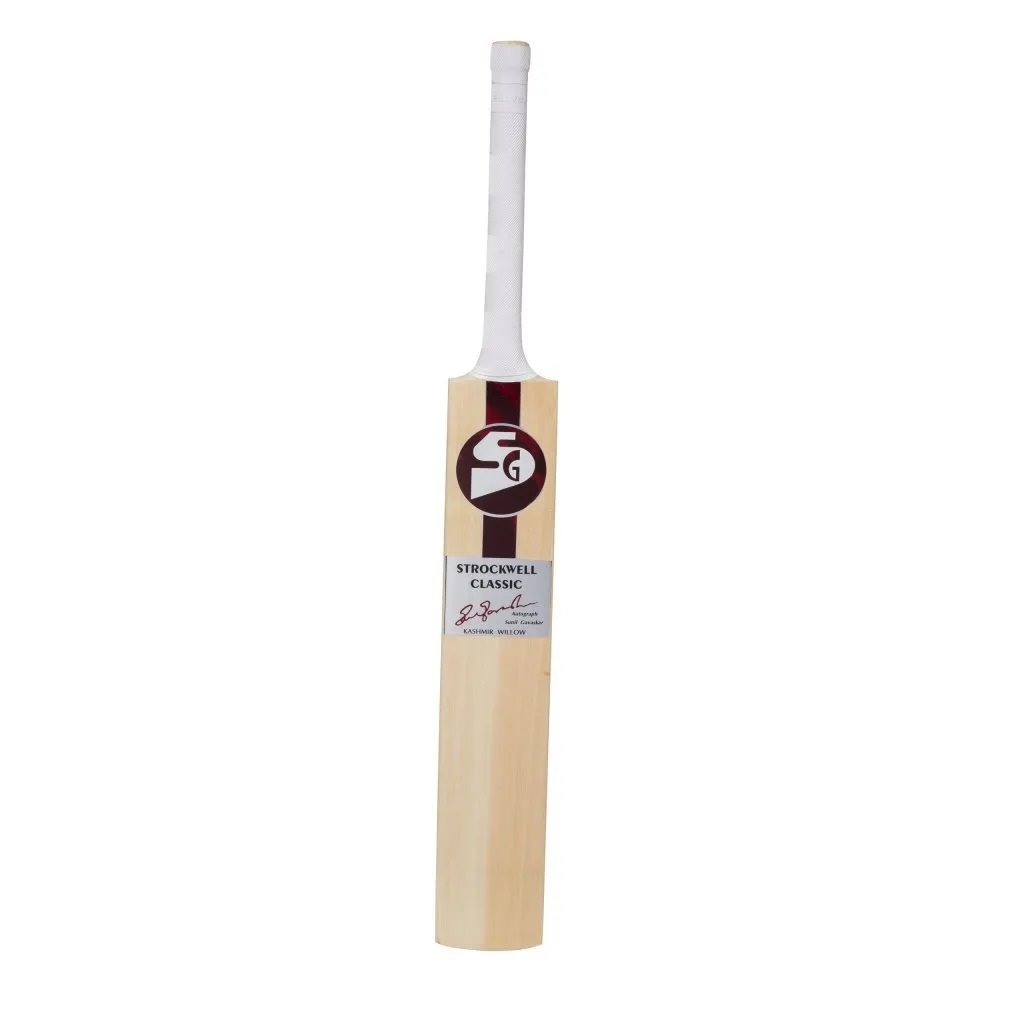 Kashmir Willow
SG Strokewell Classic
Best English Willow Bats
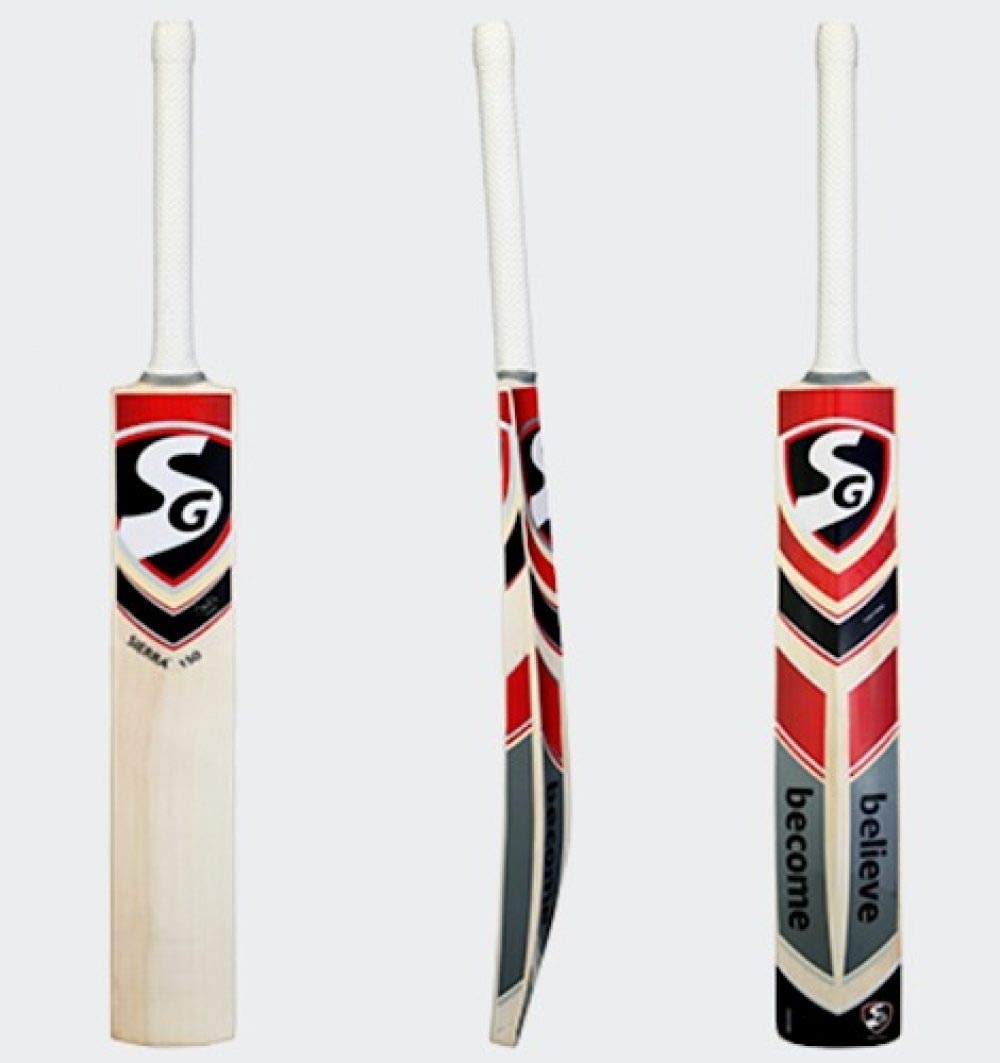 English Willow
SG Sierra 150 English Willow
 English Willow
SG KLR Excel — KL Rahul Series
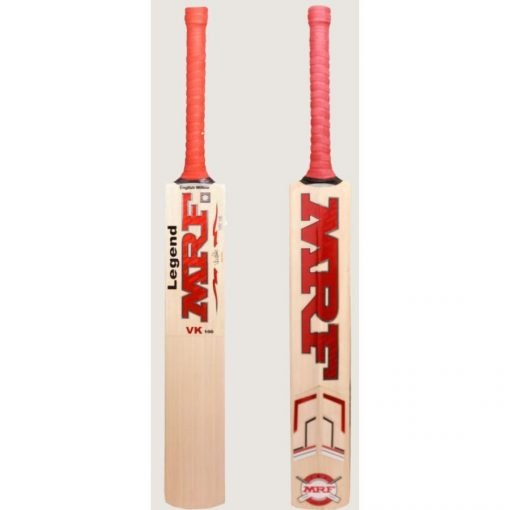 English Willow
MRF Legend VK 100 — Virat Kohli
 English Willow · Junior
SG KLR Blitz — Size 5
FREQUENTLY ASKED QUESTIONS
Q1. Is Kashmir willow or English willow better for beginners?
Q2. Can Kashmir willow bats be used for leather ball cricket?
Q3. Why are English willow bats so expensive in India?
Q4. How do I know if my English willow bat is genuine?
Q5. Do Kashmir willow bats need knocking in?
Q6. Which willow type do IPL players use?
Q7. What is the best cricket bat under ₹5,000 in India?
Q8. What is the difference between an English willow bat vs Kashmir willow bat?
Ready to find the perfect cricket bat for the 2026 season? Whether you are choosing your first Kashmir willow bat or upgrading to English willow for competitive matches — Sports Galaxy stocks trusted brands SS, SG, and MRF with fast delivery across India.
Shop Cricket Equipment →